Low Visibility
Trays are clear, so treatment is less obvious at work and in photographs.
669, Sector 37, Faridabad, Haryana, 121003
Monday–Sunday, 9:00 am – 8:00 pm+91 92058 32143+91 98180 14680WhatsApp

Invisalign & Aligners · Sector 37, Faridabad
Clear aligners are removable trays that move teeth in small steps. They are discreet, but they only work if they are worn enough hours a day. At The Tooth Story, Invisalign and other aligners are recommended after a bite examination — and braces stay in the conversation when trays will not control the movement you need.
Are you considering aligners for the right reasons?
Aligners are a type of orthodontics, not a kit you start without records. Suitability depends on the movements required and on whether you will wear the trays.
Led by Dr. Ritika Satija, MDS.
Get an aligner assessment before ordering trays.
Discreet tooth movement
in Faridabad.
Wear the trays.
Keep the result.
Invisalign is the clinic’s named aligner system; other clear aligners may be considered when they fit the case. Trays come out to eat and brush, then go back in. Retainers still follow at the end, just as they do with braces.
Clear aligners are custom plastic trays that apply a controlled force to teeth. You wear each set for about one to two weeks, then move to the next.
Invisalign is one named system in that category. At The Tooth Story the product is chosen after examination, not by default.
Because trays are removable, eating is normal — but forgotten wear is the usual reason treatment goes off track.
Aligners cannot treat every bite. If braces will control a movement more reliably, that is said at the consultation.
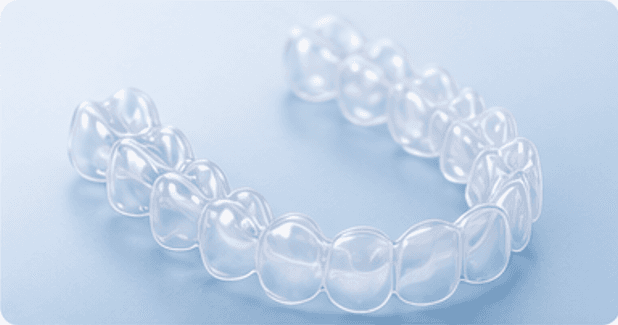
Trays are clear, so treatment is less obvious at work and in photographs.
You take them out to eat, then brush and put them back. Food is not trapped in brackets.
Records, gum health and bite are checked first. This is not a postal tray kit.
Aligners work best when the movements are within what trays can control and when you can commit to wear time.
These concerns are commonly treated with aligners.
The appliance has to match how you live.
Honesty here prevents a disappointing aligner plan.
Gum disease, untreated decay and some restorations change planning. Aligners are still orthodontics — the teeth and their support have to be ready to move.
The trays are the visible part. The clinical sequence underneath is records, a staged plan, wear, reviews and retainers.
Your smile goals, bite, gums and existing dental work are reviewed. If braces would serve you better, that is explained before anyone talks about trays.
Photographs, X-rays when needed, and the scans required for your case are taken so the sequence of movements can be planned.
The staged sequence is explained, including likely duration, attachments, and what the trays cannot do in your case.
You change trays as directed and attend checks so tracking can be confirmed. Missed hours are easier to correct early than after several trays have gone off course.
When active movement finishes, retainers are prescribed. Teeth can move again after aligners just as they can after braces.
Small tooth-coloured attachments are often bonded to help trays grip. They are part of proper aligner mechanics, not an optional extra.
Aligners here are planned inside a full dental clinic, with braces available if trays are the wrong tool.
Invisalign is named at the clinic; other aligners may be considered. The decision follows the case rather than a default brand pitch.
If trays will not control the bite, you hear that. Having both options in-house makes that conversation possible.
Aligners are not started on untreated decay or inflamed gums. The rest of the mouth is part of planning.
You are asked about habits before trays are recommended. A removable appliance depends on you.
Retainers are explained as the last phase, not a surprise invoice after the last tray.
Reviews happen at the same clinic in Faridabad, so tracking problems can be caught without remote guesswork.
These benefits apply to suitable cases with consistent wear. They are not a reason to force trays onto a bite they cannot treat.
Clear trays are easier to live with in meetings, photographs and social settings than metal brackets for many adults.
Trays come out to eat. You then clean and replace them, which avoids food packing in braces — if you actually put them back in.
With trays out, you brush and floss as usual. That can be kinder to gums than cleaning around brackets, provided hygiene stays consistent.
Each tray is a small step. Reviews confirm the teeth are tracking before you move too far ahead.
Pressure or tightness with a new tray is expected. Sharp pain, a tray that will not seat, or teeth that stop tracking should be reviewed rather than ignored.
Questions about Invisalign, wear time, discomfort and retainers.
No. Clear aligners are a category of treatment. Invisalign is one named system in that category. At The Tooth Story the product is chosen after your examination rather than by default.
No appliance treats every case. Some patients do very well with trays. Others need the control of metal or ceramic braces. The consultation is where your teeth sit on that spectrum.
Most people describe pressure or tightness rather than sharp pain, especially with a new tray. If something feels excessive or a tray will not fit, it should be reviewed.
Yes, because you remove them for meals. The important part is putting them back soon after eating and cleaning your teeth first. Too many hours out of the mouth is the fastest way to slow treatment.
A removable appliance depends on you. If wear time drops, teeth may not track and the sequence may need to be adjusted or the appliance changed. That is why lifestyle is discussed before trays are recommended.
Yes. Teeth can move again after aligners just as they can after braces. Retainers are how the result is protected.
Typically 20 to 22 hours a day, unless your plan says otherwise. Night-only wear is not enough for active movement in a standard aligner sequence.
Those are attachments — tooth-coloured shapes that help a tray grip and produce certain movements. They are placed when the plan needs them and removed when treatment is complete.
Book a clear aligner consultation in Sector 37, Faridabad. We will say if Invisalign or another aligner fits — or if braces would treat the bite more reliably.