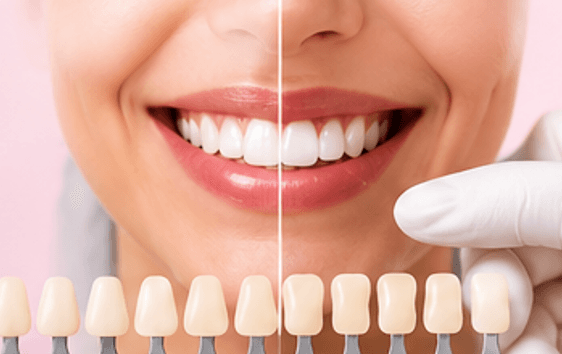
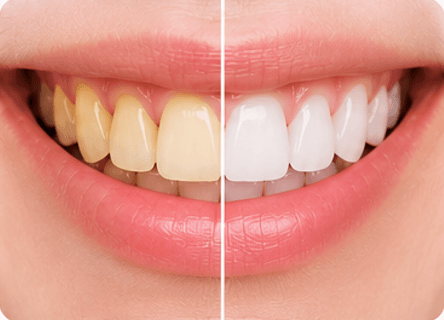
Tooth stains and discoloration describe colour changes on or within enamel and dentine. Surface stains, often called extrinsic stains, sit on the outer enamel and come from pigments in tea, coffee, red wine, spices, tobacco, and some mouth rinses. Internal colour, or intrinsic discoloration, comes from the tooth’s own structure: thinner enamel that lets yellow dentine show, ageing, tetracycline banding from childhood, high fluoride during tooth formation, or a tooth that darkened after trauma or after the nerve died. A single dark tooth after a knock is a different problem from a whole smile that looks more yellow than it did a decade ago. Decay can also look brown or black, which is not a stain to polish off. Cavities / Tooth Decay need treatment, not whitening gel. This page separates common types of discoloration, explains why some respond to professional cleaning or Teeth Whitening and others do not, and notes when bonding, veneers, or a crown enter the discussion as Cosmetic Dentistry options. It uses cautious language because colour is subjective and because products sold as whitening vary widely in strength and safety. No home kit can be declared right for you without knowing whether the colour is stain, enamel wear, or a dead nerve.
Depending on the diagnosis, care may involve Teeth Whitening or Cosmetic Dentistry. A dentist can explain which option, if any, is suitable after examining your mouth.
Surface stains versus colour that comes from inside the tooth
Extrinsic stains cling to the pellicle, a thin film on enamel. They often look brown, yellow, or black along the gumline or in grooves. Smokers and people who drink a lot of tea frequently show this pattern. A hygienist’s polish or scaling can remove much of it because the pigment is on the surface. If enamel is rough from erosion or old restorations, stain returns more quickly because the surface holds pigment.
Intrinsic colour is in the enamel or dentine. Ageing typically makes teeth look more yellow as enamel thins and dentine thickens. A tooth that had a filling close to the nerve, or that took a blow, may turn grey or brown as the pulp scars or dies. Tetracycline taken while teeth were forming can leave grey or brown bands. Fluorosis from high fluoride in childhood can leave white, brown, or pitted patches. These colours do not wipe off with a brush.
Mixed pictures are common. Someone can have yellowing from age plus tea stain on top. Whitening that bleaches enamel may lighten the underlying colour somewhat while cleaning removes the tea film. If the main issue is a single dark tooth, treating that tooth’s nerve and then considering internal bleaching or a crown is a different pathway from bleaching the whole arch. Sorting the type of discoloration is the first clinical step.
Everyday causes: diet, tobacco, and hygiene
Pigmented drinks and foods leave colour on enamel, especially if they are sipped over long periods. Tea, coffee, cola, red wine, berries, curry, and soy sauce are frequent examples. Acidic drinks can roughen enamel slightly, which may make stain cling more. Tobacco, whether smoked or chewed, is a strong source of brown-black stain and also harms gums. Some chlorhexidine rinses used for short courses of gum treatment can cause brown staining; that is usually reversible after the rinse is stopped and the teeth are cleaned.
Plaque itself can look yellow. If brushing misses the gumline, the film and the stain in it remain. Tartar is mineralised plaque and often looks yellow or brown; it needs professional removal. Poor cleaning is therefore both a cause of visible stain and a cause of gum inflammation. Improving technique and using interdental cleaning helps the gums and can reduce how fast stain builds, but it will not change internal colour.
Dry mouth, from medicines or from breathing through the mouth, can increase stain and decay risk because saliva normally helps wash the teeth. People who graze on coloured sweets or drink flavoured water all day expose enamel to pigment and sugar repeatedly. None of this means you must give up tea forever. It means frequency and whether you rinse with water afterwards can influence how stained the surface becomes.
- Tea, coffee, wine, spices, and tobacco pigments
- Plaque and tartar along the gumline
- Some medicated mouth rinses used for limited periods
- A dry mouth that lets film sit longer on enamel
Internal colour: ageing, medicines, fluoride, and injury
As enamel wears with decades of chewing and occasional acid exposure, the warmer colour of dentine shows through. This is a common reason adults notice they look more yellow in photographs than they did in their twenties. It is not a disease by itself. Whitening gels that peroxide-bleach enamel can lighten this to a degree in many people, with temporary sensitivity as a typical side effect.
Antibiotics in the tetracycline family, given while teeth were still forming, can bind to developing mineral and leave persistent bands. Adult courses of tetracycline do not usually stain already formed teeth in the same way, though minocycline can occasionally affect colour. High fluoride during enamel formation can cause fluorosis, ranging from faint white flecks to more obvious brown mottling. These developmental colours are harder to bleach uniformly.
Trauma is a special case. A knocked tooth may stay the same colour, may yellow as the pulp lays down extra dentine, or may grey if the pulp bleeds or dies. A dark tooth should be examined, often with tests and an X-ray, because Tooth Pain may be absent even when the nerve is unhealthy. Whitening a tooth with untreated infection is not the priority. Root Canal Treatment may be needed first if the pulp cannot recover. After the tooth is stable, options for colour include internal bleaching in selected cases or covering the tooth with a restoration.
Stains, decay, and when colour is a warning sign
Brown pits in grooves, chalky white spots that then brown, or a dark shadow under enamel can be decay rather than stain. Decay is soft or sticky when probed and continues under the surface. Stain in a healthy groove is usually hard. You cannot tell the difference reliably in a mirror. A dentist uses magnification, drying the tooth, and sometimes X-rays to decide. Treating stain as decay, or decay as stain, both cause problems.
Gum recession exposes yellow root surfaces. Roots do not have enamel, so they look darker and stain more easily. They are also more sensitive. Whitening gels can irritate exposed roots. Cleaning and, if needed, covering exposed roots with bonding or addressing gum health may be more relevant than bleaching. Receding gums often relate to Gum Disease history or to brushing force, not only to coffee.
White spots after braces are a form of early enamel damage from plaque around brackets, not a stain from food. They may fade somewhat with time and fluoride; they may also remain. Microabrasion or resin infiltration are sometimes discussed. They are not the same as over-the-counter whitening strips, which can make white spots stand out more by lightening the surrounding enamel.
What cleaning and whitening can and cannot do
Professional cleaning removes tartar and much extrinsic stain. It restores the tooth’s current natural colour, which may still be yellow compared with a celebrity photograph. That is expected. Teeth Whitening uses peroxide-based gels in trays or in-office systems to bleach enamel. Results vary. Fillings, crowns, and veneers do not bleach. They can look darker next to newly whitened teeth and may need replacement if the colour mismatch bothers you.
Whitening does little for tetracycline banding in many cases, though some people see modest change with long, supervised protocols. It will not change the colour of a metal-based crown. It is unpredictable on a single grey tooth after trauma. Sensitivity during and after bleaching is common and usually temporary. Using stronger gels more often does not guarantee a better result and can damage gums and enamel if misused.
Charcoal powders, abrasive pastes, and acid-based “natural” recipes can wear enamel and make teeth look more yellow over time by thinning the white layer. Oil pulling does not bleach teeth. Over-the-counter strips can help mild surface and some intrinsic yellowing if used as directed, but they are not suitable if you have untreated decay, leaking fillings, or heavy recession. A check-up before bleaching is a safety step, not a sales step.
When restorations are used to change colour
Bonding can cover a localised white or brown patch or reshape an edge. Veneers can mask colour and alter shape when enamel allows. Crowns cover a tooth that is already heavily filled or structurally weak, including some dark teeth after root canal treatment. These are irreversible to varying degrees because enamel is prepared. They are options when bleaching cannot reach the goal or when the tooth also needs structural help.
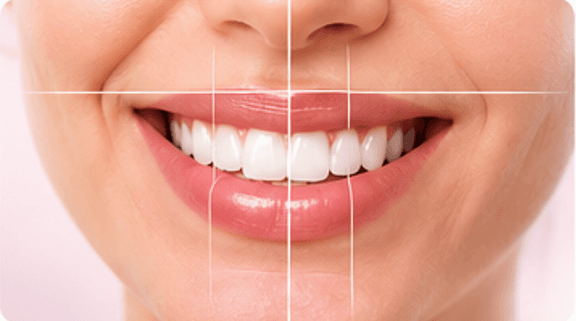
Cosmetic Dentistry planning usually includes agreeing a target shade that fits your skin and the whites of your eyes, not the brightest tab in the guide. Uniform, opaque white can look unnatural. If Misaligned Teeth are part of what you dislike, covering them with veneers without alignment can mean thicker restorations. Sometimes moving teeth first reduces how much has to be drilled.
A dark single tooth after Root Canal Treatment may be a candidate for internal bleaching if the seal is good and the root is healthy, or for a veneer or crown if the tooth is already broken down. The choice depends on remaining enamel, the darkness of the dentine, and the bite. There is no single cosmetic recipe for every discoloured tooth.
Keeping colour more stable after treatment
After stain removal or whitening, pigmented drinks will still leave film if they are frequent. Rinsing with water, drinking tea with meals rather than sipping for hours, and delaying staining drinks for a short period after bleaching (when enamel can take up colour more readily) are practical habits. Tobacco cessation helps gums and stain. A night guard does not whiten, but if grinding is wearing enamel, protecting remaining thickness helps colour in the long run.
Maintenance cleaning at intervals suited to your tartar build-up keeps extrinsic stain from becoming a thick layer. Whitening top-ups, if used, should follow the same medical cautions as the first course. Touch-up frequency is individual; chasing an ever-brighter shade can increase sensitivity without a meaningful visual gain.
If a tooth suddenly darkens, that is a reason to be seen rather than to buy stronger bleach. Sudden colour change can mean pulp injury. If Damaged or Broken Teeth have rough edges, they pick up stain; smoothing or repairing the edge can reduce that. Colour is one part of oral health, not a substitute for treating decay, infection, or gum disease.
Frequently Asked Questions
- Can brushing harder remove yellow colour?
- Hard brushing can wear enamel and gums and may make teeth look more yellow by thinning enamel. Surface stain needs plaque control and, when tartar is present, professional cleaning. Internal yellowing does not brush off. A soft brush, fluoride toothpaste, and thorough but gentle technique are kinder to enamel. If colour bothers you after a clean, the next question is whether bleaching or another option is suitable, not whether more force will help.
- Will teeth whitening work on all stains?
- Whitening is most predictable for generalised yellowing of natural enamel. It is less predictable for grey trauma teeth, tetracycline bands, white-spot fluorosis, and it does nothing to porcelain or composite. Heavy tea stain should be cleaned first so gel can contact enamel. A dentist can tell you whether Teeth Whitening is likely to help your pattern or whether covering the tooth is more realistic.
- Why is only one tooth darker than the others?
- A single dark tooth often has a history of injury, a deep filling, or a dying nerve. It can also be a large old restoration showing through. Examination and an X-ray are used to check whether the pulp is healthy. Do not assume it is only stain. If the nerve is involved, colour treatment waits until the tooth is stable, which may include Root Canal Treatment.
- Do I need to stop tea and coffee completely?
- Not necessarily. Reducing how long pigments sit on the teeth can help: shorter drinking time, water afterwards, and regular cleaning. Some people accept some stain as the cost of drinks they enjoy. If you whiten, your clinician may suggest moderating staining drinks while colour is settling. Permanent abstinence is not a medical requirement for having a healthy mouth.
- Are charcoal and baking soda safe ways to whiten?
- Abrasive powders can scratch enamel and wear it over time. Worn enamel looks more yellow, which is the opposite of the goal. Baking soda in some toothpastes is mildly abrasive; high-frequency harsh scrubs are not equivalent to controlled bleaching. Peroxide whitening under appropriate use is a different mechanism. If a product promises dramatic whitening through scrubbing, treat that claim with caution.
- Should children’s teeth be whitened?
- Routine bleaching of mixed or young adult dentitions is generally avoided. Baby teeth and newly erupted adult teeth have different anatomy, and large pulps raise sensitivity risk. White or brown marks in children may be fluorosis, enamel defects, or decay. Those need diagnosis. Hygiene, fluoride varnish where indicated, and treating cavities come first. Cosmetic bleaching is typically an adult discussion.
- Why do my fillings look yellow after whitening?
- Composite and porcelain do not lighten with bleach. Natural enamel does. After whitening, old fillings can appear relatively darker. Replacing visible fillings once the shade has stabilised is sometimes offered if the mismatch is noticeable. Whitening first, then matching new restorations, is a common sequence so the filling is not matched to a colour that later changes.
- Can exposed roots be whitened like enamel?
- Root surfaces stain easily and are more sensitive. Bleaching gels can irritate them and the colour change is less like enamel whitening. Covering exposed roots, improving gum health, and desensitising treatments may be more relevant. Receding gums should be assessed for Gum Disease and brushing habits rather than treated only as a cosmetic stain problem.