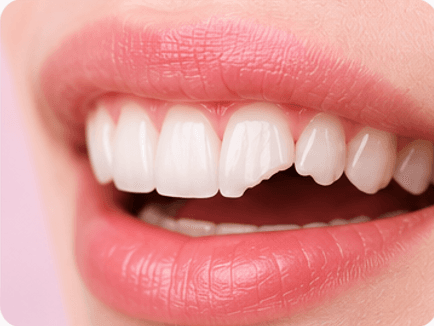
Damaged teeth include chips of enamel, cracks that may or may not reach the nerve, broken cusps around old fillings, teeth worn short by grinding or acid, and teeth split after a heavy blow. A small enamel chip on a front tooth can be a cosmetic nuisance with little pain. A crack that flexes when you bite can cause a sharp zing and may progress. A tooth broken to the gumline is a different emergency. Causes overlap: Cavities / Tooth Decay hollow out a tooth until a wall collapses; large fillings leave thin remaining walls; clenching and grinding concentrate force; ice chewing, pens, and bottle tops add sudden load; sports and falls add trauma. Acid from dietary drinks or from reflux softens enamel so it wears and chips more easily. Damage is not always visible in a bathroom mirror. A crack can be hairline. Pain on releasing a bite is a classic clue that a crack may be present. This page explains types of damage, how dentists assess whether the pulp is involved, what General Dentistry repairs can do, when Root Canal Treatment or a crown enters the plan, and when a tooth cannot be saved and Missing Teeth replacement is discussed instead. It cannot tell you from a photo whether a chip is safe to leave.
Depending on the diagnosis, care may involve General Dentistry, Root Canal Treatment or Dental Implants. A dentist can explain which option, if any, is suitable after examining your mouth.
Chips, cracks, fractures, and wear
A chip is a small piece of enamel, often at the incisal edge of a front tooth or at a cusp of a back tooth. It may feel sharp to the tongue. A crack is a line that can stay in enamel or extend into dentine and toward the pulp. Some cracks are stained and look dramatic but are shallow; some are almost invisible and symptomatic. A fracture implies a piece of tooth has separated or is mobile. Wear is gradual shortening or flattening from grinding, from an abrasive diet, or from acid softening the surface so it rubs away.
Dentists also talk about craze lines, which are tiny enamel cracks that often do not need treatment beyond monitoring and sometimes bonding if they catch. Cracked tooth syndrome refers to a crack that causes pain on biting, especially on release, without an obvious cavity. Split teeth, where a crack has separated the tooth into parts, generally cannot be saved as a whole. Language matters because “my tooth is cracked” can mean any of these.
Worn teeth may look shorter, more yellow as enamel thins, and more sensitive. The bite can feel collapsed if many back teeth are worn. Wear is damage even when there is no single accident. It often coexists with a Difficulty Chewing / Poor Bite or with clenching. Repair without addressing ongoing grinding or acid may fail as the same forces continue.
How teeth get damaged
Decay is a quiet structural thief. Enamel and dentine lost to Cavities / Tooth Decay leave a shell that can break when you chew something ordinary. Old, large amalgam or composite fillings can be surrounded by tooth that has become too thin. Expanding a filling repeatedly over years has the same effect. That is why a broken wall around a filling is a common presentation.
Parafunction—clenching, grinding, and jaw bracing—loads teeth far beyond chewing. People may do this in sleep or during concentration. The result can be flattened edges, cracked cusps, and sore muscles. Biting hard objects, using teeth as tools, and some sports without a mouthguard add acute trauma. Front teeth are vulnerable in falls and in car accidents. A lip or tongue laceration may accompany a dental injury.
Chemical wear from frequent acidic drinks, citrus sipping, or gastric acid in reflux and eating disorders thins enamel. Combined with grinding, the teeth can lose height quickly. Medications that dry the mouth increase decay risk, which then increases fracture risk. None of these causes is rare. Several can be present at once, which is why a history of diet, grinding, and past dental work is part of assessing a broken tooth.
- Decay and large or old restorations
- Grinding, clenching, and using teeth as tools
- Accidents, sports, and blows to the face
- Acid erosion that weakens enamel before it chips
Pain, sensitivity, and the nerve inside the tooth
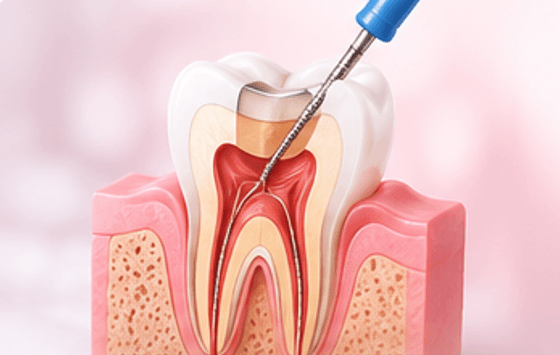
Enamel has no nerve. Dentine does, via tubules that lead toward the pulp. A chip that exposes dentine can cause cold sensitivity. A crack that flexes can cause brief, sharp pain. Lingering pain after cold, spontaneous ache, or night pain can mean the pulp is inflamed and may not recover. Swelling, a bad taste, or a gum boil can mean infection has reached beyond the root. Tooth Pain patterns help, but they are not a complete diagnosis. Some cracked teeth are quiet until a piece breaks off.
Tests may include biting on a stick or a special tool, cold testing, tapping, and X-rays. X-rays often miss cracks because a crack is a plane, not a hole. A deep fracture may still show as a break in the outline or as bone change at the root tip if the pulp has died. Transillumination—shining a light through the tooth—can reveal a crack line. None of these tests is perfect. Sometimes a crack is confirmed only when a filling is removed and the tooth is examined under magnification.
If the pulp is irreversibly inflamed or infected, Root Canal Treatment may be proposed so the tooth can be kept, provided enough structure remains to restore it. If the crack extends through the root, root canal treatment cannot join the pieces. Honesty about restorability avoids a sequence of treatments on a tooth that will still split. A second opinion is reasonable when the recommendation is extraction of a tooth you hoped to save.
Repairs that may be offered
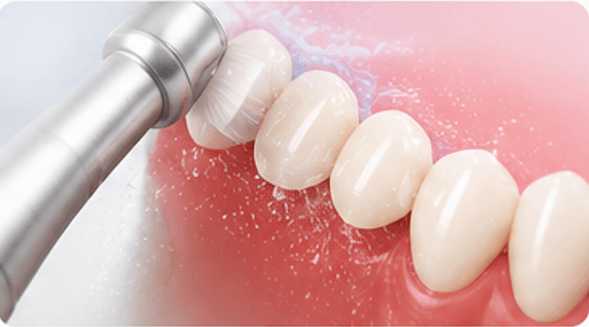
Small enamel chips on front teeth are often smoothed or restored with bonded composite. The bond needs a dry field and enough enamel. Larger fractures may need a veneer or a crown for strength and appearance. Back teeth with a broken cusp are commonly restored with a filling if enough walls remain, or with an onlay or crown if the tooth needs a protective cap. The goal is to hold the remaining tooth together and restore a contact with the opposing tooth so the bite is even.
General Dentistry also includes replacing a filling that has failed and repairing wear with bonded restorations when the wear is localised. Full-mouth rebuilding of severely worn teeth is a larger undertaking that may involve specialists and a staged plan. Temporary restorations are sometimes used after trauma so that gums heal and the bite can be assessed before a definitive crown.
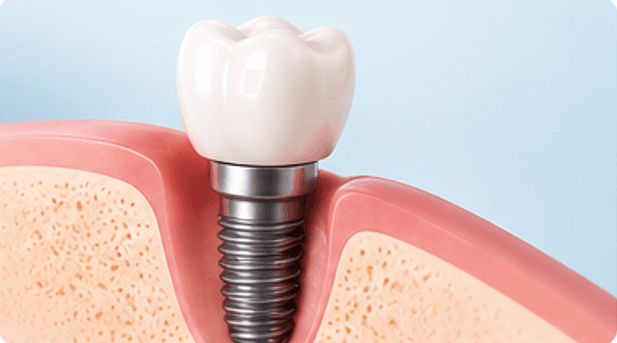
If a tooth cannot be restored predictably, extraction and discussion of Dental Implants, a bridge, or a denture follow the same logic as other Missing Teeth situations. Saving a root at all costs is not always kinder if the remaining structure is a sliver. Conversely, extracting a restorable tooth because it hurt once is also not automatic. The middle path is diagnosis, then a restoration that matches how much tooth is left.
Crowns, root canal treatment, and when a tooth cannot be saved
A crown covers the tooth above the gum and can protect a cracked or heavily filled tooth from splitting further. It does not heal a crack that already runs through the root. After root canal treatment, many back teeth receive a crown because they can be more brittle and already have a large access opening. Front teeth after root canal treatment may not always need a full crown if enough structure remains; that is a case-by-case decision.
Vertical root fractures and teeth split into two mobile parts are typical reasons a tooth is judged unrestorable. So is decay that reaches below the bone in a way that cannot be cleaned and sealed. Oral Surgery for extraction may then be the treatment. Impacted fragments, infection, and the position of the sinus or nerve are assessed before surgery. After healing, replacement is a separate conversation.
Delaying care for a broken tooth can allow bacteria into the pulp, or allow a crack to propagate, or allow the gum to grow over a jagged edge. Not every chip is urgent. A tooth that is painful, mobile, bleeding from the middle of the tooth, or broken with a large missing piece should be seen promptly. Knocked-out adult teeth have a short window for possible replantation; that is a true emergency and is handled differently from a small chip.
Protecting remaining teeth after a break
If grinding contributed, a night guard may be discussed after the acute repair, once the bite is stable. If acid is contributing, diet timing, rinsing with water (not brushing immediately after acid), and medical care for reflux matter as much as any filling. A mouthguard for contact sports reduces the chance of another front-tooth injury. Stopping ice chewing and packet-opening with the teeth removes a common self-inflicted risk.
Fluoride and hygiene still apply. A repaired tooth can decay at the margin if plaque sits there. Sensitivity after a new filling or crown can occur for a while as the pulp calms; lingering or worsening pain should be reviewed. If several teeth are damaged in a similar pattern, the cause is likely ongoing, not a one-off accident.
Appearance after a front-tooth chip can be restored in the same visit or shortly after, depending on bleeding and how dry the tooth can be kept. Colour matching takes time; a slightly proud or rough temporary shape can be refined. Cosmetic Dentistry techniques overlap with trauma repair, but the first priority is pulp health and a seal against bacteria.
Living with a repaired tooth
Composite repairs can chip again if the same force continues. Crowns can last many years and can also fail at the margin or if the tooth fractures below the crown. No restoration is permanent in the sense of never needing attention. Regular checks look at margins, bite, and gums. Avoiding the repaired tooth while chewing is a habit some people develop after pain; once the tooth is comfortable, using both sides again helps the bite stay balanced, unless you have been asked to go easy during healing.
If you also have Misaligned Teeth, a prominent tooth may take more knocks. Alignment is sometimes discussed after trauma when a tooth is repeatedly at risk, but not in the emergency appointment. If Tooth Stains & Discoloration collect in a crack line, that line may still be only enamel; stain is not a map of depth.
Children’s damaged baby teeth and damaged adult teeth are managed with different priorities. Baby teeth may be extracted more readily if the adult tooth is close and the baby tooth is badly infected. Newly erupted adult teeth with incomplete roots need extra caution after trauma. This page is aimed mainly at adult damaged teeth; paediatric injuries should be assessed with age-specific guidance.
Frequently Asked Questions
- Does a small chip always need a filling?
- Not always. A tiny enamel chip that is smooth and not sensitive may be monitored or simply polished. If the edge is sharp, catches, or shows dentine, bonding is often recommended to protect the tooth and the lip. Front-tooth chips that bother you in photographs can be repaired even when they are not painful. The dentist will also check that the chip is not the visible part of a larger crack.
- Why does my tooth hurt when I bite, then stop?
- Pain on biting, especially a sharp pain when you release the bite, can suggest a crack that flexes. It can also come from a high filling, sinus pressure, or gum inflammation. A cracked-tooth pattern deserves an exam because cracks can progress. Do not keep testing it on hard foods. Avoid chewing on that side until it has been assessed. X-rays may be normal even when a crack is present.
- If a tooth is broken, will I need a root canal?
- Only if the pulp is inflamed beyond recovery, infected, or has been directly exposed in a way that cannot heal. Many chips and cusp fractures are restored without Root Canal Treatment. Deep fractures, long-standing decay into the nerve, or lingering pain after a break make root canal treatment more likely. The decision follows tests, not the mere fact that a piece of tooth is missing.
- When is a crown used instead of a filling?
- When remaining walls are thin, when a crack needs to be held, or when a large amount of tooth is missing, a covering restoration distributes force better than a large plastic filling. Fillings are appropriate for smaller defects with strong remaining tooth. An onlay can be a middle option. The choice is about structure and bite force, not about a hierarchy of prestige.
- How do I know if a broken tooth can be saved?
- Restorability depends on where the break ends, whether the root is cracked, how much tooth sits above the bone, and whether decay has undermined the rest. An examination, X-rays, and sometimes removing loose fragments under magnification answer that. A tooth that is split through the root generally cannot be saved as one unit. A tooth with a broken cusp and a healthy root often can.
- What should I do if a large piece of tooth breaks off?
- Rinse your mouth gently, keep any fragment in milk or saliva if you can find it, and contact a dentist promptly. Avoid aspirin on the gum. If there is heavy bleeding, facial swelling, or a knocked-out adult tooth, seek urgent care. Pain control with over-the-counter medicines as labelled can help if you can take them. Do not try to glue a fragment at home with household adhesive.
- Can grinding really break teeth?
- Yes. Night-time clenching can generate high force for long periods. Teeth can flatten, craze, or lose cusps, especially around large fillings. Jaw muscles may ache. A guard does not stop the habit in the brain, but it can absorb some force and protect enamel. Treating reflux and reducing chewing on hard objects also helps if those are part of the picture.
- Can a chipped front tooth look natural after repair?
- Composite bonding can blend well when the chip is moderate and the remaining enamel is sound. Very large fractures, dark underlying dentine, or a tooth that also needs root canal treatment may need a veneer or crown for a more stable colour and shape. Lighting, neighbouring tooth colour, and Tooth Stains & Discoloration on adjacent teeth all affect how “invisible” a repair looks. A try-in or layered composite helps matching.