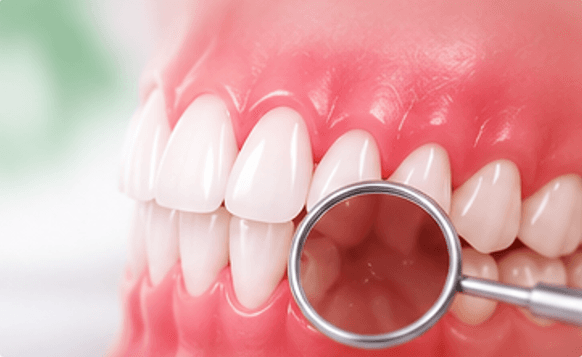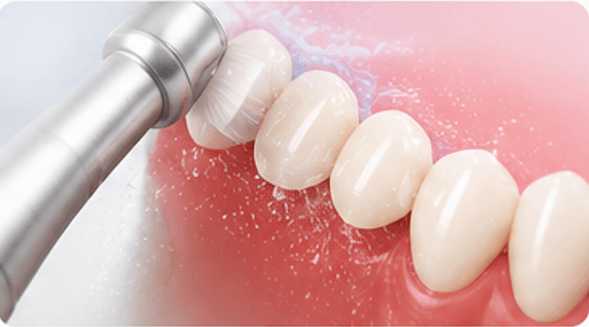
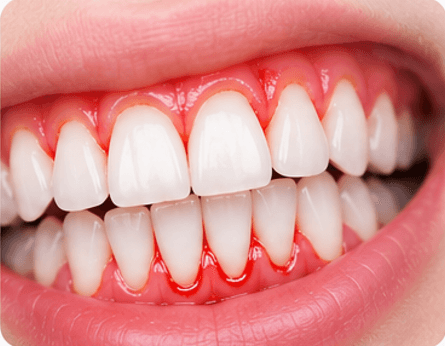
Seeing pink on the toothbrush or blood in the sink after flossing startles many people, especially if the gums do not hurt. Gum bleeding is most often a sign of inflammation from plaque along the gumline. The tissue becomes swollen, more fragile, and quicker to bleed on contact. That pattern is frequently gingivitis, which can improve when plaque is disrupted every day and professional deposits are removed. Bleeding can also appear when gums are disturbed by a new flossing habit, a poorly fitting appliance, pregnancy-related gum changes, or—less often—medicines and medical conditions that affect clotting. A dentist looks at how widespread the bleeding is, whether there are pockets or tartar under the gums, and whether the bone has already begun to change. This page explains why gums bleed, what you can do at home without scrubbing harder, and when bleeding is a reason to examine for gum disease rather than to switch toothpaste yet again.
Depending on the diagnosis, care may involve Gum Treatment or General Dentistry. A dentist can explain which option, if any, is suitable after examining your mouth.
What is gum bleeding?
Healthy gums are usually pale pink or brownish depending on melanin, firm, and scalloped around the teeth. They may show a trace of blood if you jab them with a sharp object, but routine brushing and cleaning between teeth should not produce regular bleeding. When plaque sits at the margin, the body sends more blood flow to the area. The gum looks redder, may swell, and the tiny vessels sit closer to a surface that is easy to nick. That is why people notice gum bleeding most when they finally brush the neglected spots or start flossing after a gap.
Bleeding is a clinical sign, not a disease name. Gingivitis means inflammation limited to the gum, without loss of the bone that supports the teeth. Periodontitis means the inflammation has progressed to attachment and bone. Both can bleed. So can a single food trap, an ulcer, or trauma from a hard bristled brush. The dentist’s task is to decide whether you are looking at a local irritant, generalised gingivitis, or established periodontal disease. Spitting blood after every brush is a message from the tissues, not proof that you are “bad at brushing.” Many people who bleed have been brushing, just not disrupting plaque where the tooth meets the gum.
Causes
The dominant cause is plaque biofilm. Soft deposits form within hours of cleaning. If they remain, especially between teeth and along the back of lower incisors, the gum reacts. Tartar (calculus) is hardened plaque; it does not cause bleeding by magic, but it gives a rough shelf that keeps biofilm against the tissue. Mouth breathing, crowded teeth, and overhanging fillings create niches where cleaning is harder. A burst of bleeding after you begin interdental brushes often means you have reached inflamed sites that were previously ignored, not that floss is “cutting healthy gums.”
Hormonal shifts in puberty and pregnancy can make the same amount of plaque produce a livelier gum response. Some people notice bleeding around a wisdom tooth flap where food traps. Medicines such as anticonvulsants, certain calcium-channel blockers, and ciclosporin can enlarge gums, which then bleed more easily. Anticoagulants and antiplatelet drugs can exaggerate bleeding from even mild gingivitis. Vitamin C deficiency is uncommon in ordinary diets but can contribute in very restricted eating patterns. Blood disorders are rare explanations; they are considered when bleeding is severe, widespread, or accompanied by bruising and other systemic signs.
Smoking can mask bleeding because nicotine reduces gum blood flow. A smoker with little bleeding may still have significant underlying inflammation. That is one reason dentists do not use “no blood on the brush” as the only health test in people who smoke. Orthodontic appliances add plaque traps. Stress and rushed hygiene before bed often show up as inflamed papillae—the little triangles between teeth—that bleed when you eat an apple. Cause is therefore usually local and daily, with medical factors as modifiers rather than the first guess.
Signs and symptoms
The obvious sign is blood during brushing, flossing, or biting into firm food. Gums may look puffy, shiny, or darker red at the margin. Breath can become persistently stale because inflamed pockets hold bacteria. Teeth may feel furry by afternoon. Some people notice itching or a dull awareness rather than sharp pain. The papillae can flatten or swell so that floss shreds. If inflammation has been present for a long time, you may also see tartar, gum recession, or spaces appearing between teeth—signs that the problem may no longer be gingivitis alone.
Pay attention to whether bleeding is generalised or limited to one site. One angry papilla next to a broken filling is a different story from bleeding in every quadrant. Pus, loosening, or a bad taste from a specific area leans toward a periodontal abscess or deeper periodontitis. Painful ulcers, white patches, or bleeding that starts without any cleaning deserve examination for other oral conditions. Fever and swollen glands with rapidly worsening gums are uncommon and need prompt professional assessment rather than a new mouthwash.
- Pink toothpaste foam or blood on floss
- Red, swollen, or tender gum margins
- Bleeding when eating apples or crusty bread
- Persistent bad breath despite mints
- Tartar shelves or a feeling of debris at the gumline
- Bleeding that is new after starting a medicine
Who is at risk
People who skip cleaning between teeth are at high risk because toothbrush bristles do not reliably reach under the contact points. Anyone with crowded teeth, appliances, or dexterity limits (arthritis, caregivers brushing for someone else) can miss plaque. Pregnancy, diabetes, and dry mouth raise the inflammatory or plaque burden. A diet frequent in sugar feeds plaque organisms. Past periodontitis means the gums can bleed again if maintenance slips, even if earlier treatment went well.
Teenagers often bleed around erupting teeth and orthodontic brackets. Older adults may recede at the gumline and then under-clean the exposed roots. People who only brush in the morning, or who use a hard brush in a horizontal scrub, can combine trauma with leftover plaque. None of this is moral failure. It is anatomy plus biofilm. If you have a family history of tooth loss from gums, mention it; susceptibility to periodontitis varies, and bleeding in that context is a reason to measure pockets rather than to wait.
Diagnosis
A dentist or hygienist dries the teeth, looks at colour and contour, and gently probes the gum sulcus. Bleeding on probing is recorded. Pocket depths help separate gingivitis from periodontitis. Plaque and tartar are charted. Radiographs may be used when pockets, recession, or tooth mobility suggest bone loss. The exam also checks restorations that trap plaque and whether a wisdom tooth or appliance is the local culprit.
Medical history matters: diabetes control, smoking, pregnancy, clotting medicines, and recent illness. If bleeding seems out of proportion to the amount of plaque, the dentist may suggest speaking with a physician about blood counts or medicine effects. Diagnosis is not made from a single bleeding site on one day. Gums can bleed more if you have just started cleaning thoroughly. The trend after improved hygiene and professional cleaning is part of the picture.
Effect on oral health
Inflamed gums are a reservoir of bacteria next to the teeth. If gingivitis persists, some people progress to attachment loss. Bone does not grow back in the same way once it has been lost to periodontitis. Teeth can drift, look longer, and eventually loosen. Chronic bleeding also makes people avoid the very cleaning that would help, so plaque thickens. Bad breath can affect eating in public and willingness to floss.
There is a two-way conversation with general health that should be described carefully. Periodontal inflammation is associated with poorer glycaemic control in diabetes, and diabetes can worsen gum response. Researchers also study links with other conditions; that is not the same as saying bleeding gums “cause” heart disease. The practical oral-health point is simpler: inflamed gums are harder to keep clean, they can hurt when you need dental work, and they can complicate healing. Treating the inflammation is part of keeping the rest of the mouth usable.
Treatment options
For plaque-induced gingivitis, the core treatment is disruption of biofilm at home plus professional removal of tartar that you cannot brush off. That usually sits within general dentistry as examination, oral-hygiene coaching, and scaling. Technique often matters more than buying an expensive paste. A dentist may show a modified brushing method, interdental brushes sized to your gaps, and where you are missing the back of lower front teeth. Mouthwashes can reduce bacteria temporarily; they do not replace mechanical cleaning.
If pockets and bone loss are present, care moves toward gum treatment: deeper cleaning of root surfaces, more frequent reviews, and sometimes further periodontal procedures. Local irritants such as overhanging fillings may need reshaping. A wisdom-tooth operculum that keeps trapping food may need cleaning, and in some cases removal is discussed as oral surgery after the acute swelling settles. If a medicine is enlarging the gums, the dentist and physician may discuss options; do not stop a prescribed drug on your own.
Bleeding from a single traumatic brush injury usually settles if you switch to a softer brush and gentler angles. Persistent bleeding after professional cleaning should be reviewed rather than ignored. Tobacco cessation support is part of periodontal care because smoking changes healing. Treatment success is judged by less bleeding on probing, better plaque control, and stable measurements—not by a promise that gums will never bleed again if you eat popcorn.
If left untreated
Gingivitis can remain for years in some people and progress in others. You cannot tell which group you are in from the bathroom mirror. Leaving plaque in place keeps the gums fragile. Tartar accumulates, especially behind the lower incisors and on upper molars. Breath problems persist. If periodontitis develops, bone loss is largely irreversible. Teeth that could have been maintained with cleaning may eventually need extraction, creating missing teeth that then affect chewing.
Untreated bleeding also complicates other dental care. Inflamed gums bleed during fillings and make isolation harder. People delay visits because they are embarrassed by blood, which allows cavities and tartar to grow together. In pregnancy, untreated gingivitis can be uncomfortable and is worth professional advice rather than stopping brushing. The longer inflammation lasts, the more “normal” bleeding starts to feel, which is the opposite of what healthy gums do.
Prevention
Prevention is daily plaque removal at the gum margin and between teeth, with tools you can actually use. Fluoride toothpaste still matters for the teeth while you are there. Replace brushes that splay. If floss cuts you because you snap it down, ask to be shown a method that hugs the tooth. Interdental brushes often work better than thread for larger spaces. Evening cleaning is especially useful because overnight saliva flow drops.
Regular professional examinations catch tartar and early pocketing. If you wear braces or aligners, extra time on the gumline is part of the deal. Manage sugar frequency, not only “amount in one dessert.” If you have diabetes, gum care is part of overall health maintenance. Prevention does not mean never seeing a drop of blood after a missed week of flossing; it means bleeding should become uncommon again once cleaning is consistent and deposits are removed.
When to see a dentist
Book an examination if gum bleeding lasts more than a couple of weeks of careful cleaning, if you see swelling or pus, if teeth feel mobile, or if breath changes worry you. See someone sooner if bleeding is heavy, if you have unexplained bruising, or if gums worsen rapidly. Pregnancy-related bleeding still deserves a dental visit; hygiene treatment can often be adapted rather than postponed indefinitely.
You should also seek care if bleeding is limited to one tooth after a filling or crown, if a wisdom tooth area keeps oozing, or if you started a new medicine and the gums changed. A dentist can tell whether you need a simple scale and technique coaching or a full periodontal chart. Waiting until teeth loosen is waiting past the easy part of gum care.
Frequently Asked Questions
- Is it normal for gums to bleed when I brush?
- Occasional spotting after you restart flossing can happen if the gums were already inflamed. Regular bleeding with ordinary brushing is not a sign of health. It usually means plaque is irritating the tissue. Scrubbing harder often makes this worse. A dentist can check whether you have gingivitis or deeper pocketing and show a cleaner method that reaches the margin without shredding the gums.
- Should I stop flossing if my gums bleed?
- Stopping leaves the plaque that caused the inflammation. Gentle, consistent cleaning between teeth often reduces bleeding over days to a couple of weeks as swelling falls. If floss keeps cutting because of technique or tight contacts, ask about interdental brushes or a different floss method. If bleeding increases, smells foul, or is confined to one loose tooth, have the area examined rather than waiting it out indefinitely.
- Why do gums bleed more in pregnancy?
- Hormone changes can amplify the gum’s reaction to the same plaque. This is sometimes called pregnancy gingivitis. It is still driven by biofilm, so cleaning and professional care remain relevant. A dentist can advise on timing of scaling and on positions that feel comfortable in later pregnancy. Do not assume bleeding is “just hormones” if there is pain, pus, or a growth-like swelling on the gum, which should be checked.
- Will mouthwash stop gum bleeding?
- Some antimicrobial rinses reduce bacteria and can help while you improve mechanical cleaning. They do not remove tartar and they do not replace brushing the gumline. Using a strong rinse while plaque sits in place is like spraying a dirty plate. A dentist may suggest a rinse for a limited period if inflammation is marked, then return the emphasis to brushes and interdental tools.
- Does bleeding mean I have periodontitis?
- Not necessarily. Gingivitis bleeds too, and it has not yet destroyed the supporting bone. Periodontitis is diagnosed with pocket measurements, attachment levels, and often radiographs. Bleeding is a warning to get those measurements, especially if you also notice recession, drifting, or a family history of tooth loss. Only an examination can place you on that spectrum.
- I take a blood thinner. Should I worry about bleeding gums?
- These medicines can make gingivitis look dramatic, but the gum inflammation still needs cleaning. Do not stop a prescribed anticoagulant to make brushing tidier. Tell the dentist the drug name and why you take it. They can plan scaling more carefully and may coordinate with your physician for certain procedures. Unexplained bleeding from multiple sites still deserves medical advice.
- My child’s gums bleed. Is that serious?
- Children can have gingivitis from incomplete brushing, erupting teeth, or orthodontic appliances. A dentist can check for plaque, decay, and whether the bleeding is local. Rarely, unusual gum appearance or very easy bleeding relates to a medical issue. For most families the plan is supervised brushing, fluoride toothpaste, and cleaning between teeth when contacts are closed, plus a professional look if bleeding persists.