Find Problems Early
Catches decay and gum changes while a simple filling or cleaning may still be enough.
669, Sector 37, Faridabad, Haryana, 121003
Monday–Sunday, 9:00 am – 8:00 pm+91 92058 32143+91 98180 14680WhatsApp

General Dentist · Sector 37, Faridabad
Most dental problems start small. A check-up, a professional cleaning or a timely filling can stop a quiet issue from turning into pain, infection or more complex treatment. At The Tooth Story, Dr. Ritika Satija uses general dental visits to keep your teeth and gums healthy between the treatments you hope you never need.
Is it time for a check-up?
A general dental visit is the right starting point whether your teeth feel fine or something has started to bother you.
Led by Dr. Ritika Satija, Endodontist | Root Canal Specialist.
Book a check-up before a small problem becomes a bigger one.
Everyday dental care
in Faridabad.
Catch problems early.
Keep treatment simple.
Check-ups, cleanings and fillings are how most dental problems are found while they are still easy to treat. At The Tooth Story in Sector 37, you get a clear look at what is happening in your mouth, honest advice on what needs attention, and preventive care that fits around your day.
General dentistry is the routine care that keeps your mouth healthy: examinations, professional cleanings, fillings and early diagnosis of problems that may need further treatment.
It is not one procedure. It is the foundation visit that shows whether a tooth needs watching, a filling, gum care, or referral for something more specialised.
Think of it as an oral health check-up. Small cavities, tartar, bleeding gums and failing old fillings are easier to manage when they are found early.
If your teeth feel fine, that is still a good reason to come. Many dental problems give very little warning until they become painful.
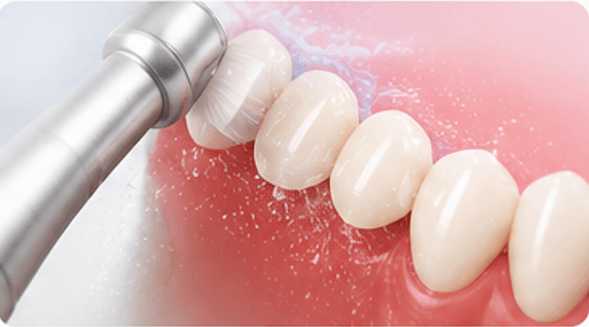
Catches decay and gum changes while a simple filling or cleaning may still be enough.
Removes tartar from places a toothbrush cannot reach, including behind the lower front teeth.
Checks old fillings, gums and soft tissues so existing work lasts longer and new issues are noticed sooner.
You do not need to wait for a toothache. These are common reasons people book a check-up at The Tooth Story.
Routine care is still useful when nothing hurts.
Small changes often appear before pain does.
Old restorations need checking as they age.
These signs do not always mean you need a filling. An examination, and an X-ray when needed, can show whether the issue is tartar, early decay, gum inflammation or something else.
A typical visit at The Tooth Story is structured so you leave knowing what was found and what, if anything, needs to happen next.
The visit starts with your health, medicines, allergies and anything you have noticed in your mouth. New patients get time to explain the background before the examination begins.
Your teeth, gums, bite and soft tissues are checked. X-rays are taken only when they help find decay between teeth, problems under old fillings, or changes below the gum line.
Plaque and tartar are removed with ultrasonic and hand instruments, then the teeth are polished. Pocket depths may be measured if gum health needs a closer look.
Any findings are explained in plain language: what was found, what it means, and which options exist. No treatment starts until you understand why it is being suggested.
You leave with specific advice on brushing, flossing, diet and when to return, based on your own risk rather than a one-size-fits-all interval.
Small fillings or fluoride application may be completed in the same visit when it is clinically appropriate and you agree to proceed.
General dentistry works best when the same dentist knows your history, explains findings honestly, and does not rush you into treatment you do not need.
You are told what was found, what it means, and what can wait. The aim is appropriate care, not a longer treatment list.
Dr. Ritika Satija is an Endodontist | Root Canal Specialist. That training helps her notice when a tooth that looks routine on the surface may need deeper investigation.
The same dentist manages your ongoing visits, so old fillings, gum changes and previous advice stay in context.
Cleanings, fluoride and timely fillings are used to keep treatment simpler. Larger work is discussed only when it is genuinely needed.
Radiographs are taken for a clinical reason, not as a default. Modern dental X-rays use a very low dose when they are needed.
The Tooth Story is a well-equipped clinic in Sector 37, Faridabad, set up for everyday dentistry as well as more specialised treatment when required.
The value of general dentistry is often in the problems that never become emergencies.
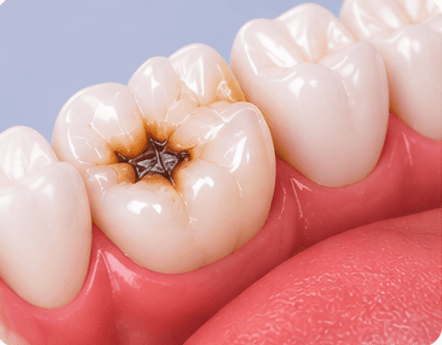
A small cavity can usually be restored with a filling. Left alone, the same cavity may reach the nerve and need a root canal or extraction.
Professional cleaning removes tartar that brushing cannot. That reduces bleeding, swelling and the risk of deeper gum disease.
Old fillings and crowns last longer when failing margins or secondary decay are found before the restoration has to be replaced completely.
A check-up includes a look at the tongue, cheeks, palate and floor of the mouth, so unusual changes can be reviewed promptly.
Brushing technique, flossing, diet and recall intervals are adjusted to your gums, restorations and risk of decay.
If you later need root canal treatment, gum care or cosmetic work, a recent general dental assessment makes that planning clearer.
A general dental visit is usually comfortable. Anaesthesia is used only if restorative work such as a filling is planned.
Common questions about check-ups, cleanings and fillings in Faridabad.
Most adults benefit from a check-up and professional cleaning every six months. Your dentist may recommend more frequent visits if you have gum disease, are cavity-prone, have diabetes, or are in orthodontic treatment. Some people with excellent oral health and low risk may be advised to come once a year.
Yes. Even with careful brushing and flossing, tartar forms in hard-to-reach areas — particularly behind the lower front teeth and around the upper molars. Once plaque has hardened into tartar, a toothbrush cannot remove it. Professional cleaning clears those deposits and helps prevent gum inflammation.
No. Modern dental X-rays use a very low dose. A single digital dental X-ray is in the same range as everyday background radiation you receive in a normal day. They are taken only when they help, such as checking for decay between teeth or assessing bone levels.
A regular cleaning removes plaque and tartar from above and slightly below the gum line. A deep cleaning (scaling and root planing) is for gum disease, where deposits have formed deeper in the pockets and along the root surfaces. The right type depends on your gum measurements, not on preference.
Very early enamel demineralisation — a white spot — may improve with fluoride and better hygiene. Once a cavity has formed a hole in the tooth, it cannot repair itself and will need a filling. The smaller it is when treated, the simpler the filling usually is.
Bleeding gums are most often a sign of gingivitis — inflammation from plaque along the gum line. Professional cleaning plus better brushing and flossing usually settles early gingivitis. If bleeding continues, it may indicate a deeper gum condition that needs further assessment.
Routine check-ups and cleanings are not only safe but recommended. Hormonal changes can make gums more prone to inflammation. Elective cosmetic work is usually deferred, but necessary fillings or urgent care can typically be done safely, especially in the second trimester. Always tell your dentist if you are pregnant.
Clues include sensitivity around the tooth, a rough or cracked edge, visible discolouration at the margin, or food catching around the filling. Your dentist can assess old fillings during a check-up with a visual exam and X-rays when needed.
Book a general dental visit in Sector 37, Faridabad for a clear assessment, a professional clean, and advice you can actually use at home.