Misaligned teeth are an everyday way of describing teeth that do not sit in a reasonably even arch. Crowding means there is not enough space, so teeth overlap, twist, or sit in front of one another. Spacing means extra gaps. A tooth may be rotated, tipped, or positioned too high or too low compared with its neighbours. The upper and lower teeth may not meet in a typical way, which overlaps with Difficulty Chewing / Poor Bite. Alignment is not a moral category and it is not always a medical emergency. Mild irregularity is extremely common. Problems tend to appear when overlap makes toothbrushing and flossing difficult, when a tooth sits outside the gum’s healthy zone, when the bite chips edges, or when a person is bothered by the appearance of crowding or a large gap. Causes include jaw size relative to tooth size, early loss of baby teeth, habits such as prolonged thumb sucking in childhood, and, in adults, drift after Missing Teeth or after periodontal bone loss. This page explains how crowding and spacing show up, why they can matter for gum and enamel health, and how Orthodontics and Clear Aligners (Invisalign) are used as tools to move teeth when that is appropriate. It does not diagnose your bite from a description or a selfie.
Depending on the diagnosis, care may involve Orthodontics or Clear Aligners (Invisalign). A dentist can explain which option, if any, is suitable after examining your mouth.
Crowding, spacing, and rotation
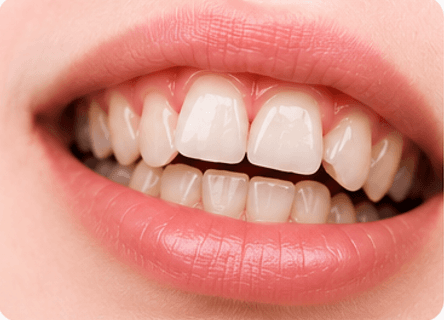
Crowding is often most obvious in the lower front teeth, where a smaller jaw or larger teeth leave too little room. Teeth may overlap like shingles, or one incisor may sit behind the others. Upper crowding can hide a tooth toward the palate or push a canine high in the gum. Spacing can appear as a gap between the upper central incisors, as generalised small spaces, or as a gap left after a tooth was never present. Rotation means a tooth has turned so that its side faces more toward the front than it should.
These features can occur together. A crowded lower arch can sit opposite a spaced upper arch. A single rotated premolar can create a food trap even if the rest of the smile looks fairly even. Alignment is judged in three dimensions: in-out position, up-down position, and rotation. Photographs from the front alone miss a lot. That is why orthodontic records often include photos from several angles, X-rays, and a scan or impressions.
People sometimes call any irregularity “crooked teeth.” Clinicians tend to be more specific because treatment, if any, depends on the pattern. Moving a mildly rotated tooth is different from creating space for an unerupted canine. Adult crowding that has worsened slowly may relate to late growth, wisdom teeth (which are not always the cause people assume), or tightening of the bite over time. Each pattern needs its own explanation.
Why teeth become crowded or spaced
Genetics play a large role in jaw size and tooth size. If the teeth are large relative to the jaws, crowding is more likely. If the teeth are small or some never form, spacing is more likely. Childhood factors matter too. Losing a baby tooth very early can allow neighbouring teeth to drift and steal space from the adult tooth that should follow. Prolonged dummy or thumb habits can push upper front teeth forward and open a gap. Mouth breathing and some airway-related patterns are discussed in orthodontics as possible contributors in growing children, though they are not the only explanation for every crowded smile.
In adults, teeth can keep moving slowly throughout life. Lower incisors often crowd more with age even in people who had braces as teenagers if retainers were not worn long term. After a tooth is extracted and not replaced, adjacent teeth can tip into the space, which is a form of acquired misalignment. Gum Disease that reduces bone support can allow teeth to flare or drift, creating new gaps. Trauma can displace a tooth from its original position.
Wisdom teeth are frequently blamed for crowding. Research and clinical experience suggest they are not the sole cause of late lower crowding in most people. Removing wisdom teeth solely to prevent crowding is not automatically justified. Assessment of the third molars is a separate question from whether the front teeth need alignment.
- Tooth size and jaw size mismatch
- Early loss of baby teeth or missing adult teeth
- Habits in childhood and slow adult drift
- Bone loss or gaps after extraction
Cleaning, gums, and decay risk around crowded teeth
Overlapping teeth create niches where plaque sits. Floss may not pass easily. A toothbrush may skip the hidden surface of a rotated tooth. Over years, that can mean more Cavities / Tooth Decay between teeth and more gum inflammation. Crowding does not cause gum disease by itself; plaque does. Crowding makes plaque harder to remove. People with crowded teeth who clean meticulously can have healthy gums. People with even teeth who rarely clean between them can have inflamed gums. Alignment is one factor among many.
Teeth that sit too far forward may have thinner gum on the outside, especially lower incisors. Recession can appear as a longer-looking tooth or sensitivity near the gumline. Moving a tooth into a better position within the bone can sometimes improve the gum’s environment, but orthodontics is not a substitute for periodontal care if disease is already present. Receding gums also have other causes, including brushing technique and past inflammation.
Spacing can make cleaning easier in some places and harder in others. Large gaps can trap food. A diastema between the front teeth may bother someone aesthetically while being easy to keep clean. The clinical question is whether the alignment pattern is contributing to disease or to bite trauma, not whether the smile matches an ideal photograph.
How alignment relates to the bite and to wear
Teeth that do not line up well may still meet in a way that feels comfortable. They may also meet in a way that chips thin edges, wears enamel unevenly, or concentrates force on a few teeth. That overlap with Difficulty Chewing / Poor Bite is why alignment and occlusion are often assessed together. A high canine, an edge-to-edge front bite, or a deep overlap where lower teeth bite into the palate can all create specific wear or gum issues.
Jaw muscle discomfort and clicking are not automatically caused by crowded teeth. Many people with irregular alignment have no jaw symptoms. When symptoms exist, TMJ / Jaw Disorder Treatment and bite assessment may be part of the conversation, but crowding alone is rarely the full explanation. Treating alignment in someone with active jaw pain is often sequenced carefully so that moving teeth does not aggravate the joints.
If teeth are already Damaged or Broken Teeth from grinding or from colliding in a poor contact, straightening may be discussed after or alongside protecting the teeth. Night guards, restorations, and orthodontics can appear in the same long-term plan. The order depends on whether the damage is active, whether the bite needs to be opened or supported, and whether the person wants alignment for hygiene, comfort, or appearance.
Orthodontic options in outline
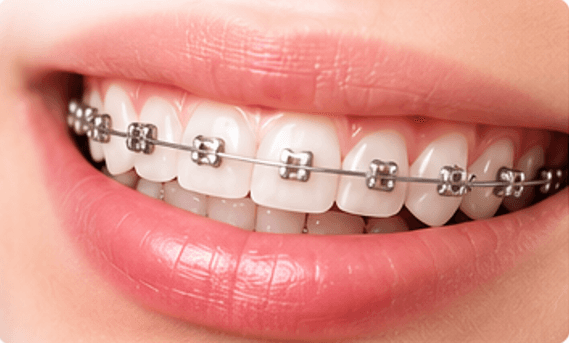
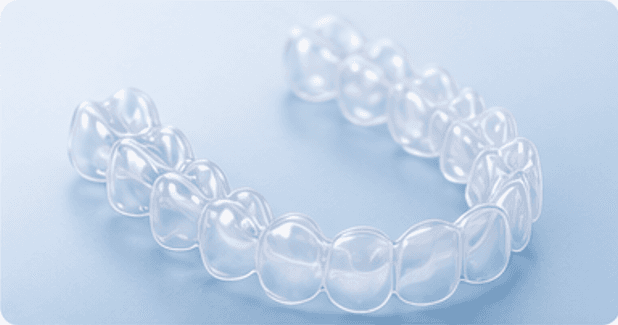
Orthodontics is the specialty of moving teeth and guiding jaw growth. Fixed braces use brackets and wires. Clear Aligners (Invisalign) use a series of removable trays. Both can address crowding and spacing when the case is suitable. Aligners rely on consistent wear and may be less suitable for some tooth movements or for people who will not keep trays in for the required hours. Braces stay in place and can be advantageous for complex rotations or large movements. Neither appliance is inherently “gentler” in a medical sense; force systems differ, and discomfort during movement is common with both.
Treatment may include creating space by slenderising enamel slightly between teeth, expanding the arch within biological limits, or extracting teeth when crowding is severe. Extraction is not a failure and it is not always necessary. It is a space-management decision. In growing children, extra options such as space maintainers or growth-modifying appliances may apply. Adults do not have the same growth to work with, so camouflage of jaw discrepancies is more common unless jaw surgery is separately indicated.
Retention after any alignment is part of the process. Teeth have a tendency to return toward their original positions. Removable retainers or bonded wires behind the front teeth are commonly used. Alignment without a retention plan is incomplete. If you had braces years ago and crowding has returned, that is a recognised pattern, not proof that treatment “did not work.”
Adults, children, and when to seek an assessment
Children are often assessed when adult incisors erupt in a crowded way, when a tooth is slow to appear, or when the bite looks markedly unusual. Early assessment does not always mean early braces. Sometimes the advice is to wait for more adult teeth. Sometimes an interceptive step is useful. Parents should not assume that a crooked baby-tooth smile predicts the adult result, nor that an uneven adult eruption will straighten itself completely.
Adults seek alignment because crowding has increased, because a gap has opened, or because they want to clean more easily or change how the smile looks. Age is not a barrier if gums and bone are healthy enough to support movement. Periodontal health must be stable first. Moving teeth in the presence of untreated gum disease can worsen support. Medical history, restorations, and implants (which do not move like natural teeth) all affect planning.
See a dentist if overlap is making cleaning ineffective, if a tooth is biting the gum or lip, if you notice new gaps, or if a tooth has shifted after an extraction. Seek care sooner if a tooth is painful, loose, or has been knocked. Alignment concerns can wait for a planned visit; infection and trauma should not. General Dentistry remains the home for decay and gum care while orthodontic options are considered.
Appearance, expectations, and related smile concerns
Wanting straighter teeth is a valid reason to ask about orthodontics. It does not require you to dislike your whole face. It helps to name what bothers you: a rotated tooth, a crowded lower row, or a gap. Photographs of other people are poor templates because tooth shape, gum display, and lip movement differ. After alignment, some people still notice Tooth Stains & Discoloration or uneven edges. Whitening or bonding may be discussed later; they are not a substitute for moving teeth that sit in the wrong place.
Cosmetic Dentistry can sometimes mask mild irregularity with bonding or veneers. That approach files or adds to enamel rather than moving roots. It can be reasonable for limited cases and a poor substitute when crowding is moderate or when the bite is traumatic. Combining alignment with later cosmetic work is common when someone wants both a better arch form and more even colour or shape.
If teeth are missing, alignment may be used to redistribute spaces before a bridge or implant, or to close a space so that replacement is unnecessary. Those plans are coordinated. Straightening without considering a missing tooth can leave a gap in an awkward place. Mention Missing Teeth early in the discussion so the orthodontic goal matches the restorative goal.
Frequently Asked Questions
- Are crowded teeth always a health problem?
- Not always. Mild crowding can be compatible with healthy gums and enamel if you can clean thoroughly. Crowding becomes more relevant when plaque collects in overlaps, when a tooth sits in a position that injures the gum, or when the bite chips teeth. A dental examination can separate a cosmetic preference from a hygiene or bite issue. Many people choose alignment for a mix of reasons rather than a single medical crisis.
- Can adult teeth still be straightened?
- Yes, if the gums and supporting bone are healthy enough. Adult bone remodels more slowly than a child’s, and treatment times can be longer, but movement is still possible. Existing crowns, bridges, and implants change what can be moved. Active gum disease should be treated first. An orthodontic assessment looks at those factors rather than age alone.
- How do clear aligners compare with braces for crowding?
- Both can reduce crowding when the case is suitable. Aligners are removable and less visible; they require disciplined wear. Braces are fixed and can be more efficient for some rotations and vertical movements. Suitability depends on the tooth movements required, your habits, and clinical judgement. A comparison of Clear Aligners (Invisalign) and braces should be based on your records, not on advertising categories.
- Do wisdom teeth cause front teeth to crowd?
- They are an unlikely sole cause for most late crowding. Lower front teeth often become more irregular with age even in people who never had wisdom teeth. Wisdom teeth may still need removal for pain, decay, or gum infection around them. That decision is separate from whether you need alignment. Do not assume that extracting third molars will straighten crowded incisors.
- Why do teeth shift after braces if retainers are not worn?
- Fibres in the gum and the natural tendency of teeth to find a new equilibrium pull toward previous positions. Growth, grinding, and slow mesial drift also continue. Retainers hold the result while tissues adapt and, for many people, for the long term. Relapse of crowding is common when retainers are stopped. It is a biological tendency, not necessarily a mistake in the original treatment.
- Should a gap between the front teeth always be closed?
- Not always. A small diastema can be a personal trait some people prefer to keep. A large or increasing gap may relate to a high muscle attachment, a missing tooth, gum disease, or a bite pattern that pushes teeth apart. Closing a gap without understanding why it exists can lead to it reopening. Assessment looks at the cause before choosing orthodontics, bonding, or monitoring.
- Can misaligned teeth cause headaches or jaw pain?
- Crowding itself is not a reliable explanation for headaches. Jaw muscle pain and joint clicking have many contributors, including clenching, stress, and joint anatomy. If you have jaw symptoms, they should be assessed on their own terms, sometimes with TMJ / Jaw Disorder Treatment in mind. Alignment treatment may still be appropriate later, but it is not a guaranteed cure for facial pain.
- Will straightening teeth make cavities less likely?
- Easier cleaning can help if overlap was trapping plaque you could not reach. Alignment does not replace fluoride, diet awareness, or professional care. New appliances can temporarily make cleaning harder until you adapt. After treatment, retainers also need hygiene. Think of straighter teeth as improving access for your brush and floss, not as immunity to Cavities / Tooth Decay.