Easier Cleaning
Reducing overlap means fewer plaque traps between crowded teeth.
669, Sector 37, Faridabad, Haryana, 121003
Monday–Sunday, 9:00 am – 8:00 pm+91 92058 32143+91 98180 14680WhatsApp

Braces & Bite Care · Sector 37, Faridabad
Straight teeth are easier to clean and a more even bite can reduce wear. Orthodontics at The Tooth Story is planned after looking at crowding, spacing and how the teeth meet — then choosing braces or clear aligners because they fit the case, not because one option is more fashionable.
Does your bite need a closer look?
A consultation with records can show whether metal braces, ceramic braces or aligners are realistic for your teeth — and how long movement is likely to take.
Led by Dr. Ritika Satija, MDS.
Start with a bite assessment before choosing an appliance.
Straighter, more functional teeth
in Faridabad.
Choose the appliance
that fits the bite.
Braces and aligners both move teeth gradually so bone can remodel around them. The better choice depends on the movements needed, gum health, and whether a removable tray will actually be worn. Retention afterwards is part of treatment, not an optional extra.
Orthodontics diagnoses and corrects crowded, spaced or misaligned teeth and bite problems. Treatment usually uses fixed braces or a series of clear aligner trays.
The clinical aim is a bite that meets more evenly and teeth that are easier to keep clean. Appearance improves with that, but function is not a side issue.
Adults can have orthodontics if gums and bone can support movement. Age by itself is not a reason to refuse treatment.
Active movement is only half the story. Retainers are how the result is held once the braces come off or the last tray is finished.
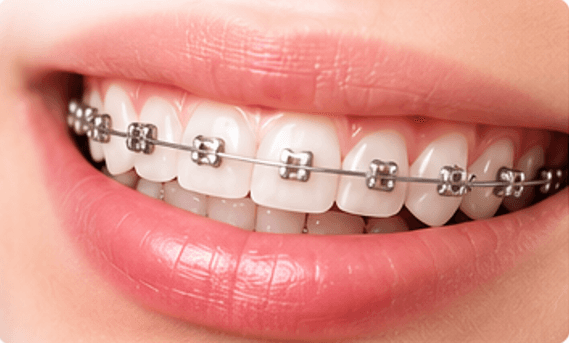
Reducing overlap means fewer plaque traps between crowded teeth.
Spreading chewing forces can lower the chance of chips and excessive wear on a few overloaded teeth.
Metal braces, ceramic braces and aligners are compared against your diagnosis, not against a trend.
Alignment issues are not only cosmetic. These are the functional clues that a bite assessment can help.
What you see in the mirror is often the starting point.
How the teeth meet affects comfort and enamel.
Position changes what happens next in the mouth.
Active gum disease should be settled before teeth are moved. Severe skeletal jaw discrepancies may need specialist surgical planning rather than braces alone.
Tooth movement is gradual on purpose. The sequence from records to retainers is explained before any appliance is placed.
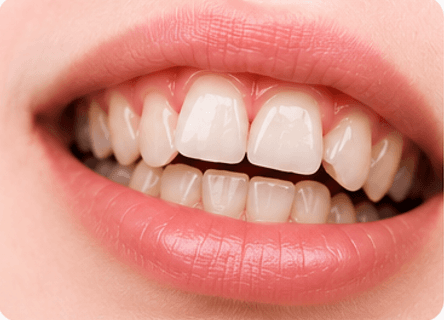
Teeth, bite and jaws are examined. Photographs, X-rays when needed, and scans or impressions are taken so the plan is based on records, not guesswork.
Metal braces, ceramic braces or clear aligners are recommended according to the movements required, gum health and whether you will wear a removable tray enough hours a day.
Brackets and a wire are placed, or the first aligners and any attachments are fitted. You are shown how to clean, what to avoid, and how to use wax if a brace rubs.
Reviews are typically every four to eight weeks. Wires are adjusted or the next aligners are checked. Mild soreness after an adjustment or a new tray is common for a few days.
Once the bite is stable, braces are removed or the last aligner stage is completed. Retainers — fixed, removable, or both — hold the result while bone and gums settle.
Most cases take between 12 and 24 months. Mild crowding can be shorter; complex bites can take longer. Compliance — especially with aligners and retainers — changes the timeline.
You can compare braces and aligners in one clinic, with dental health around the teeth kept in view throughout movement.
Metal braces, ceramic braces and clear aligners are available, so the recommendation can follow the diagnosis.
Cavities and gum inflammation are addressed first. Moving teeth through untreated disease is not a good plan.
Dr. Ritika Satija’s MDS training helps flag teeth with previous root treatments, deep fillings or pain that should be understood before orthodontics starts.
Treatment is not reserved for teenagers. Adults are assessed on gum support, bone and goals rather than age alone.
You will hear that teeth can drift without retainers. That conversation happens before the first bracket, not after they start to move back.
If a jaw discrepancy needs an orthodontic specialist or surgical opinion, that is said clearly rather than stretched into a braces-only promise.
The visible change is important to many people. The clinical benefits sit underneath it.
Straightening reduces the tight contacts where plaque sits and cavities and gum problems tend to return.
When teeth meet more fairly, a few teeth are less likely to take all the load.
Implants, crowns and veneers are often more conservative and better looking if teeth are in a reasonable position first.
For many patients, being able to smile without hiding the teeth is a genuine quality-of-life change.
Expect mild soreness after fitting and after adjustments. That is the teeth moving, not a sign that something has gone wrong.
Questions about braces, aligners, discomfort and retainers.
There is no upper age limit if teeth and gums can support movement. Bone remodelling still works in adults, though it can be a little slower than in teenagers.
Most cases take 12 to 24 months. Mild crowding may be shorter; complex bites can take longer. Wear, hygiene and attending reviews all affect the timeline.
For mild to moderate crowding and spacing, aligners can work very well. Complex bite correction, large rotations and some vertical movements may still be better with fixed braces. The diagnosis decides, not preference alone.
Soreness for a few days after fitting and after each adjustment is common and usually manageable. Aligners also cause pressure when a new tray starts. Neither should be sold as sensation-free.
Yes. A mouthguard designed for braces is advised for contact sports. Wind instruments may need a short adjustment. Aligners can be removed for sport or music if needed, then put back in.
Teeth tend to drift toward their old positions. Retainers hold the result while bone and gums stabilise. Skipping them is the most common reason orthodontic results do not last.
Brush after meals, especially around each bracket and along the gums. An interdental brush helps under the wire. A fluoride mouthwash may be suggested. Hygiene during treatment protects you from white spots and swollen gums.
Contact the clinic for a repair. Cover a poking wire with orthodontic wax. Do not cut the wire yourself. A loose bracket can usually be rebonded without undoing the whole plan.
Book an orthodontic consultation in Sector 37, Faridabad to see which appliance fits your bite, your gums and your day-to-day life.