Missing teeth describes the absence of one or more teeth that would normally sit in the dental arch. A tooth may have been extracted after Cavities / Tooth Decay, Gum Disease, a fracture, or trauma. Some people never developed a particular adult tooth. Others lose several teeth over years. The empty space is more than a cosmetic concern. Neighbouring teeth can drift toward the gap. The opposing tooth can over-erupt. Chewing may shift to the other side of the mouth. Speech sounds that need the front teeth can change. Bone in the jaw where the root once sat can remodel and become thinner over time. None of this happens at the same pace for everyone. A single back molar that has been missing for months may feel easy to ignore until food packing and bite changes become obvious. Several missing teeth can make eating a wider range of foods harder. This page explains common reasons teeth are lost, how the mouth often responds, questions that come up at a dental visit, and why replacement is discussed as a medical and functional decision rather than only an appearance one. It does not tell you which option you need. That depends on examination, X-rays, gum health, remaining teeth, and your overall health.
Depending on the diagnosis, care may involve Dental Implants. A dentist can explain which option, if any, is suitable after examining your mouth.
What “missing teeth” can mean in everyday life
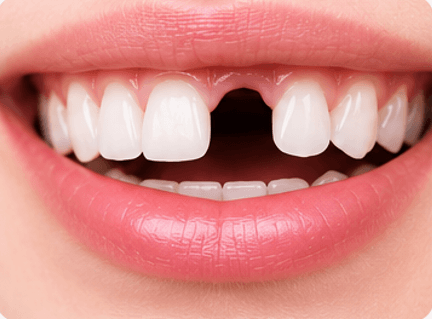
Clinicians sometimes use words such as edentulous space, partial edentulism, or complete tooth loss. In daily language, people simply say a tooth came out, was taken out, or never came in. A missing front tooth is usually noticed first because it shows when you talk or smile. A missing back tooth may be noticed later, when chewing feels uneven or when food traps in the space. Both situations are forms of tooth loss. The number of missing teeth, their location, and how long they have been gone all shape how the bite feels.
Some people adapt quickly by chewing on the other side. Adaptation can hide gradual changes. The tooth behind a gap may tilt forward. The tooth in front may drift back. The tooth in the opposite jaw may grow down or up into the empty space because nothing meets it when you close. Those movements can make later replacement more complex if they go on for a long time. They are not inevitable in every mouth, but they are a recognised pattern after extraction when the space is left unrestored.
Tooth loss can also affect confidence in social settings, even when the gap is not large. Feeling the tongue press into a space, noticing a lisp, or avoiding photographs are common reactions. Those feelings are valid. They sit alongside the physical effects: chewing efficiency, wear on remaining teeth, and, in some people, strain in the jaw muscles when one side does all the work.
Why teeth are lost
The most frequent pathway to a missing tooth in adults is advanced decay that reaches the nerve and then the root, especially when treatment is delayed. Deep Cavities / Tooth Decay can destroy so much structure that the tooth cannot be restored, even after Root Canal Treatment. Severe Gum Disease can destroy the bone and fibres that hold a tooth, until it becomes loose and is extracted or falls out. A cracked or badly broken tooth after an accident, a fall, or biting something hard may also be unrestorable.
Failed restorations, recurrent decay under old crowns, and teeth that have already had extensive treatment can reach a point where extraction is the more predictable choice. Wisdom teeth are a special case: they are often removed because of position or infection rather than because the rest of the smile needs a replacement. Congenital absence, where an adult tooth never forms, can leave a baby tooth that is later lost, or a gap that has been there since adolescence. Orthodontic extractions are planned removals to create space; those spaces are closed with tooth movement rather than left as gaps.
Medical conditions, certain medications that affect saliva or bone, smoking, and a diet high in frequent sugars can raise the risk of the diseases that lead to extraction. Age itself does not automatically mean teeth must be lost. Many older adults keep most of their teeth with consistent hygiene and professional care. When teeth are missing, the story is usually a mix of disease, injury, and past treatment rather than a single cause.
- Advanced decay or a tooth that cannot be restored
- Gum disease with loss of supporting bone
- Fracture, trauma, or a crack that extends below the gum
- A tooth that never developed, or a planned extraction
How a gap can affect chewing, speech, and neighbouring teeth
Chewing is a coordinated activity. Front teeth cut and tear. Back teeth grind. When a molar is missing, the remaining molars and premolars take more load. People often report that food feels harder to break down, that meals take longer, or that they avoid nuts, raw vegetables, or chewy bread. If several back teeth are missing on the same side, chewing on the other side can become a habit. That habit can increase wear and muscle fatigue on the working side.
Speech depends on the lips, tongue, and teeth working together. Missing upper front teeth can change how some sounds are made, particularly those that need a seal against the incisors. A removable replacement may restore that contact; so may a fixed option once it is in place. Not everyone with a missing front tooth develops a noticeable lisp, but many notice a difference in air escape or in how the tongue rests.
The teeth next to a gap do not always stay still. Tilting and rotation can open new food traps. The bite can feel “high” or “off” if an opposing tooth over-erupts. These changes may contribute to Difficulty Chewing / Poor Bite patterns over years. They can also make cleaning harder, which raises the chance of decay and gum inflammation around the remaining teeth. Replacing a missing tooth is often discussed as a way to support the remaining dentition, not only to fill a hole in a smile.
Bone, gums, and the space left after a tooth is gone
A natural tooth root sits in bone and helps maintain that bone through everyday chewing forces. After extraction, the socket heals with gum tissue over the top and with bone filling part of the socket. Over months and years, the ridge can become narrower and shorter. The rate and amount of change vary. Smoking, thin gums, infection at the time of extraction, and the number of adjacent teeth lost can all influence the shape of the ridge.
A flatter or narrower ridge can affect how a denture sits and how much gum shows when you smile. It can also influence whether Dental Implants are straightforward or whether additional procedures to rebuild bone might be discussed. None of that is a reason to rush into treatment without assessment. It is a reason not to assume that a space that looks simple from the outside is equally simple under the gum.
Gum health around the remaining teeth still matters. If Gum Disease is active, replacing a tooth without controlling inflammation can leave the new restoration or implant in an unstable environment. Dentists typically want to see that you can keep the gums clean and that periodontal disease is managed before committing to a long-term replacement plan.
Replacement approaches that may be discussed
After examination, options often fall into three broad groups: a removable denture, a bridge that uses neighbouring teeth, or an implant-supported crown or denture. Each has requirements. A denture can replace one tooth or many and can be taken out for cleaning. Some people find it comfortable; others notice movement when eating or speaking, especially if the ridge is slim. A conventional bridge files down teeth on either side of the gap so they can hold a linked restoration. That can be appropriate when those teeth already need crowns. It is less conservative if those teeth are healthy and untouched.
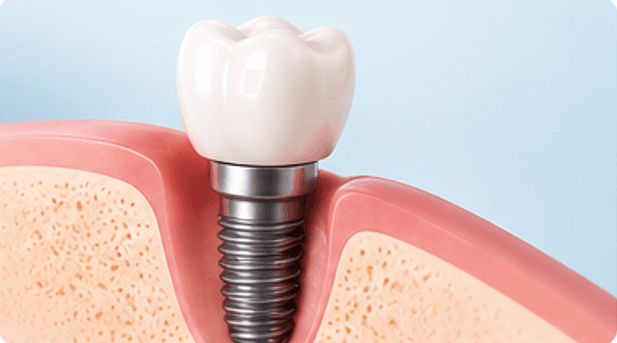
An implant is a titanium or ceramic fixture placed in bone that can later support a crown, a bridge, or a denture. It does not rely on filing neighbouring teeth. It does require enough bone, healthy gums, and a healing period. Not every site or every medical history is suitable. Healing after Oral Surgery to place an implant is a separate discussion from the decision to extract. Timing can vary: sometimes a site heals first; sometimes placement is planned with the extraction when conditions allow.
Choosing among these options is not a popularity contest. It depends on which teeth are missing, the health of the remaining teeth, bite forces, gum disease history, medical factors such as bone density and certain medications, and how you feel about surgery versus a removable appliance. Reading about Dental Implants or dentures in general terms can prepare you for a consultation. It cannot replace X-rays, models, or a clinical exam. If remaining teeth are Damaged or Broken Teeth or heavily restored, the plan may include repairing those teeth as well as filling the gap.
Living with one missing tooth versus several
A single missing back tooth can be compatible with a varied diet if other molars remain and the bite is stable. Some people live with that space for years without major complaint. Others notice food impaction, drifting, or a feeling that the bite has changed. A single missing front tooth is harder to ignore socially and may affect speech more. There is no universal rule that every space must be filled immediately, but leaving a space without review means you may miss drifting or gum changes until they are advanced.
When several teeth are missing in the same area, chewing efficiency often drops more noticeably. The remaining teeth can wear faster. The face can look shorter if back teeth are lost and the bite collapses, though that is a gradual process and not everyone experiences a dramatic change. Complete loss of all teeth in one jaw changes eating, speaking, and denture-wearing entirely. Nutrition can suffer if people shift toward softer, more processed foods because chewing is difficult.
If Tooth Pain led to the extraction, the pain may settle after the tooth is gone, which can feel like the problem is finished. The gap remains a separate issue. Follow-up after extraction is a chance to talk about healing, the shape of the socket, and whether a temporary or long-term replacement is being considered. Temporary flippers or immediate dentures are sometimes used for appearance while gums heal; they are not the same as a definitive plan.
Questions that help at a dental visit
Useful questions include how long the tooth has been missing, whether you have pain or swelling now, how you chew, whether you grind your teeth, and what you hope a replacement will do. Photographs and old X-rays, if you have them, can show how the space has changed. Mention medical conditions, bone-related medicines, smoking, and previous gum treatment. If you have Misaligned Teeth or a known Difficulty Chewing / Poor Bite, say so, because the way teeth meet affects how a replacement is designed.
Ask what would happen if you wait, what each option requires of the neighbouring teeth, and how you would clean around a bridge, implant, or denture. Cleaning is not a minor afterthought. Food and plaque collect at the edges of any restoration. General Dentistry visits for the remaining teeth still matter; replacing one tooth does not stop decay elsewhere.
If appearance is a priority, it helps to be specific: which teeth show when you speak, whether the gum line looks even, and whether you want a removable or fixed solution. Cosmetic Dentistry discussions about colour and shape of a replacement tooth usually come after the functional plan is clear. Matching a single front tooth to the neighbours can be technically demanding; that is a reason to allow time for shade selection and try-ins rather than expecting an instant perfect match.
Frequently Asked Questions
- Does every missing tooth need to be replaced?
- Not automatically. Some spaces, especially a single back tooth with stable neighbours and a comfortable bite, may be monitored. Other spaces, particularly front teeth or several missing back teeth, more often affect eating, speech, or tooth movement. A dentist can explain the likely trade-offs of waiting versus replacing after looking at your gums, bone, and remaining teeth. The decision is individual, not a rule that applies to every gap.
- How soon after extraction is replacement usually discussed?
- Timing varies. Soft tissue often heals in a matter of weeks, while bone continues to remodel for months. Immediate or early replacement is sometimes planned when the site is suitable. In other cases, waiting for the socket to mature makes the outcome more predictable. Infection, grafting, or the need to treat other teeth can delay a final restoration. Your clinician can outline a sequence rather than a single date that fits everyone.
- Are dental implants the only way to replace a missing tooth?
- No. Implants are one option when bone, gums, and general health allow. Bridges and dentures remain appropriate for many people. Implants avoid filing neighbouring teeth, which can matter if those teeth are healthy. They also involve surgery and healing. A comparison of Dental Implants, a bridge, and a denture should include how you clean, how many teeth are missing, and medical factors, not only how the result looks in photographs.
- Will the jawbone shrink if a tooth is not replaced?
- The ridge often changes after a tooth is lost because the root is no longer stimulating that area of bone. The amount of change differs between people and sites. It can affect denture fit and implant planning later. Replacing a tooth with an implant can help maintain bone locally once the implant is integrated, but it is not a guarantee against all future change. Other teeth and overall periodontal health still influence the jaws.
- Can missing teeth affect digestion or nutrition?
- Chewing starts the breakdown of food. When several chewing teeth are missing, people often choose softer foods or swallow larger pieces. That can make a balanced diet harder to maintain and may contribute to digestive discomfort for some. Replacing teeth is not a treatment for stomach problems on its own. It can, however, make it easier to eat a wider range of textures if the replacement is stable and comfortable.
- Why does a missing front tooth feel more urgent than a missing molar?
- Front teeth are visible in conversation and help with certain speech sounds and with biting into food. A molar does more grinding work but is less seen. Social and speech effects often make a front gap feel urgent. Functionally, missing molars can still matter a great deal for chewing and for how the bite holds the face’s vertical dimension over time. Both deserve assessment; the priorities simply differ.
- If gum disease caused the tooth loss, can a replacement still work?
- Often yes, but the gums and remaining bone need to be stable first. Active Gum Disease can threaten remaining teeth and any implant. Treatment, improved cleaning, and sometimes more frequent maintenance come before or alongside replacement planning. A history of periodontal disease does not automatically rule out implants or dentures, but it does mean the long-term outlook depends on keeping inflammation under control.
- Is tooth loss an inevitable part of ageing?
- No. Teeth can last a lifetime with plaque control, fluoride where appropriate, and timely care for decay and gums. Tooth loss becomes more common with age mainly because disease has had more years to accumulate, not because the calendar itself extracts teeth. If you already have missing teeth, the remaining ones can still be protected. Replacement decisions can be made at any adult age if health and bone allow.