Cavities—dental caries—are areas where tooth mineral has been lost faster than saliva and fluoride can repair it. The process is chemical and bacterial: sugars and other fermentable carbohydrates feed plaque organisms, which produce acid, which dissolves enamel. Early on, a white or brown spot may still be intact on the surface. Later a cavity filling becomes necessary because a true hole will not close on its own. Decay between teeth is famous for staying hidden until a radiograph or a sudden food trap. Decay at the gumline often follows dry mouth or sipping sweet drinks. Children, adults, and older people all get caries, but the typical sites shift with age and with receding gums. This page walks through how tooth decay behaves, how dentists decide between monitoring, fluoride, a filling, a crown, or root canal treatment, and why “it doesn’t hurt yet” is a poor measure of cavity size.
Depending on the diagnosis, care may involve General Dentistry or Root Canal Treatment. A dentist can explain which option, if any, is suitable after examining your mouth.
What are cavities?
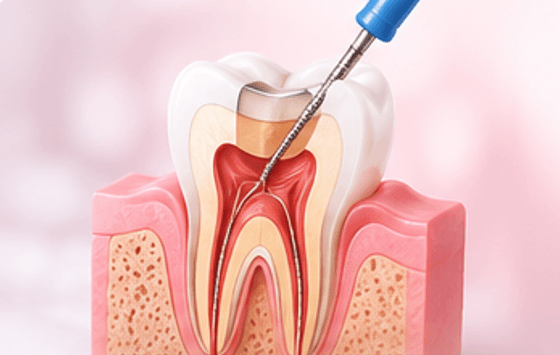
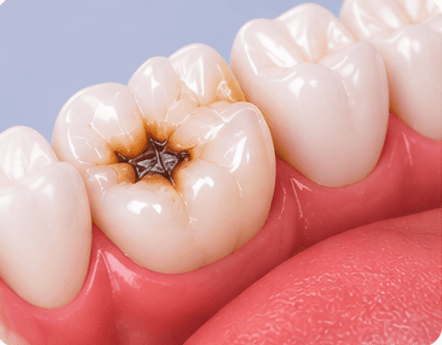
A tooth is layered. Enamel is the hard outer shell. Dentine lies underneath and is more porous. The pulp in the centre contains nerves and blood vessels. Caries is the disease process; a cavity is the resulting defect. In enamel, mineral can be lost in a subsurface pattern that still looks smooth. When the surface breaks, bacteria gain a sheltered hole. In dentine, decay often spreads sideways, undermining enamel that still looks fairly solid from the chewing surface. That is why a small dark pit can hide a larger problem.
Caries is site-specific. Pits and fissures on molars trap plaque. Contact points between teeth trap floss-resistant film. Smooth surfaces near the gum collect plaque in people who sip acidic or sugary drinks. Root surfaces, once gums recede, decay at a lower mineral threshold than enamel. A dentist also distinguishes active lesions (soft, sticky, plaque-covered) from arrested ones that have hardened and darkened after hygiene and fluoride improve. Not every brown spot is an open cavity that must be drilled. Diagnosis is about activity and depth, not colour alone.
Causes
Four things interact: a susceptible tooth surface, plaque bacteria, fermentable carbohydrate, and time. Frequency often matters more than a single dessert. Sipping a sweet beverage for hours keeps the mouth acidic. Sticky foods cling in fissures. Reduced saliva—from medicines, radiation, mouth breathing, or Sjögren’s syndrome—removes the buffering and mineral-replenishing system that normally fights early decay. Deep grooves, crowded teeth, and appliances add geography for plaque.
Past decay is a strong clue that the same habits and anatomy are still present. Orthodontic brackets are plaque shelves if cleaning is incomplete. Receding gums expose roots. Gastro-oesophageal reflux and frequent vomiting add acid that is not from plaque, which can erode enamel and make caries easier. Some infant feeding patterns—sweet liquids in a bottle at night—produce rampant decay in baby teeth. Genetics influence enamel quality and saliva modestly; they rarely excuse a diet that bathes teeth in sugar ten times a day.
Fillings and crowns do not make a tooth immune. Decay can start at the edge of a restoration (recurrent caries) if plaque sits there or if the seal has leaked. That is why old dental work is checked, not ignored because “that tooth was already treated.” Understanding cause in your own mouth usually means looking at snacking rhythm, saliva, and where you miss with the brush, not at a mysterious weakness unique to one unlucky tooth.
Signs and symptoms
Early enamel caries may have no symptoms. A white spot after drying the tooth, or a brown fissure, can be the first visual hint. As dentine becomes involved, sweets and cold can cause a brief twinge. A hole may catch food. Floss may shred or smell. Some cavities are visible as grey shadows under enamel. Bad taste from a food trap is common between molars. Pain that lingers, spontaneous toothache, or swelling suggests the pulp may be involved—see also tooth pain—and is a later chapter of the same disease.
Root cavities can look like yellowish or brown notches at the gumline and may be sensitive to touch. Decay under a filling can present as a tooth that darkens, a chip at the margin, or sudden fracture of undermined enamel. Children may chew on one side, stop eating cold foods, or wake at night. Parents sometimes see spots only on the upper front teeth from bottle or sippy-cup patterns. Because symptoms lag behind the biology, waiting for pain is waiting for a deeper lesion.
- White, brown, or black spots on enamel
- A hole, pit, or food trap you can feel
- Sensitivity to sweets or cold that is new
- Floss that consistently tears in one contact
- Visible shadow under a filling or enamel
- Toothache, night pain, or a gum boil in later decay
Who is at risk
Children with frequent sugar, inadequate fluoride, and unsupervised brushing have high risk, especially in molars with deep grooves. Adults who graze, drink sweet coffee all morning, or have dry mouth from antihistamines, antidepressants, or other drugs accumulate new lesions at contacts and along the gum. Older adults with recession and exposed roots are prone to root caries. People with disabilities who cannot clean well, and those with heavily restored mouths, also sit at higher risk.
Shift workers and students who rely on energy drinks, and anyone undergoing orthodontics without extra hygiene time, often show new decay at unexpected visits. Previous radiation to the head and neck can devastate saliva and produce rampant caries unless fluoride and diet are managed aggressively. A high past decay rate is itself a risk marker. Protective factors—fluoride toothpaste, water fluoridation where it exists, saliva, and sealed grooves—explain why two people with similar sweets habits do not always get the same number of holes.
Diagnosis
Dentists look at clean, dry teeth with good light. A sharp explorer is used gently; stabbing a sticky fissure is no longer the only method, because it can damage enamel that might have been remineralised. Bitewing radiographs show decay between teeth and under fillings that the eye misses. In some settings, additional tools such as transillumination help. The dentist estimates how close the lesion is to the pulp, which influences whether a simple filling is likely or whether the nerve is already at risk.
Activity assessment matters. A shiny, hard, dark fissure in a person with excellent hygiene may be watched. A matte, soft, plaque-covered white spot in a grazer is treated as active. Children’s baby teeth are diagnosed with an eye on how long that tooth must last and whether infection could affect a permanent successor. You should hear an explanation of watch, remineralise, restore, or treat the pulp—not only “you have a cavity” without depth.
Effect on oral health
Each cavity is a plaque harbour. Neighbouring teeth can be affected by a broken-down contact. Chewing efficiency drops when molars hurt or fracture. Aesthetic concern appears when front teeth decay or when fillings stain. Space can be lost in children if baby molars collapse, crowding the path of adult teeth and contributing later to misaligned teeth. Infection from untreated decay can become an abscess.
Repeated large fillings weaken cusps. A tooth can enter a cycle of restoration, crack, crown, root canal, or extraction. Missing a tooth then changes bite forces. Decay and gum disease often share the same skipped cleaning. The mouth-level effect is a rising treatment need, not a single isolated hole. Arresting caries early is how you keep options small.
Treatment options
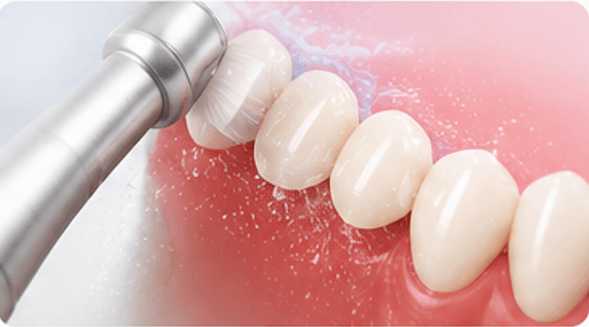
Early enamel lesions may be managed with fluoride varnish, high-fluoride toothpaste, dietary advice, and improved cleaning, with reviews to see if the spot hardens. Sealants can protect sound or minimally affected grooves, especially in children. Once a cavity has formed, a dentist removes unsupported, infected tooth structure and places a restoration—what people call a cavity filling—within general dentistry. Materials vary (tooth-coloured composite, amalgam in some systems, glass ionomer in selected situations); the choice depends on site, moisture control, and how much tooth remains.
When decay is deep, a protective lining or a stepwise approach may be used to avoid exposing the pulp. If the pulp is already inflamed or infected, a filling alone will not stop toothache; root canal treatment or extraction enters the discussion. If walls are thin, a crown may be recommended after the decay is controlled. Pediatric dentistry adapts these ideas to baby teeth, including stainless-steel crowns when decay is extensive and the tooth must hold space. Front-tooth cavities that affect appearance may later involve cosmetic dentistry, but the decay still has to be removed first.
Diet counselling is treatment, not a lecture afterthought. Reducing how often sugar and acid hit the teeth gives fluoride a chance. For dry mouth, extra fluoride and saliva support can matter as much as the filling. A dentist should also check why a restoration failed if you are replacing one: leak, crack, or new decay at the edge.
If left untreated
Cavities enlarge. Enamel collapses. Dentine can decay rapidly once exposed. Bacteria approaching the pulp cause inflammation, then necrosis, then an abscess. A tooth that might have needed a small filling can progress to a situation where little natural tooth is left. Infection can disturb sleep and, in children, affect weight gain and school concentration when pain is chronic. Baby teeth with abscesses can affect the developing adult tooth underneath in some cases.
Waiting also lets decay spread to the neighbouring contact. A broken tooth can be sharper to the tongue and harder to clean, inviting gum inflammation. People sometimes use temporary drugstore putty for months, which does not stop the biology inside. There is no reliable point at which decay “burns itself out” in an active sweet diet. Arrest happens when the environment changes—fluoride, saliva, hygiene—not when the hole is ignored.
Prevention
Twice-daily fluoride toothpaste, spit don’t rinse heavily, and cleaning between teeth where cavities like to hide. Keep sugary and acidic intakes to mealtimes when possible. Water after snacks helps. Children need help brushing until they have the dexterity, often later than parents think. Fissure sealants on permanent molars can reduce decay in grooves. Regular bitewing X-rays at intervals suited to your risk catch interproximal lesions while they are small.
If you have a dry mouth, talk to a dentist about fluoride trays, rinses, or prescription-strength paste, and to a physician about whether any medicine can be adjusted. Chewing sugar-free gum with xylitol may help some people stimulate saliva; it is an adjunct. Prevention after a filling means the same habits, because the next cavity will otherwise start at the next weak site. Whitening and charcoal powders do not prevent decay and can abrade exposed dentine.
When to see a dentist
Have a dental examination if you see a hole, a dark spot that grows, food packing, new sensitivity to sweets, or a broken filling. Children should be seen when the first tooth erupts or by their first birthday in many paediatric guidelines, and whenever spots appear on front teeth. Do not wait for toothache; pulp involvement is a late sign.
Seek more urgent care if there is swelling, fever, or a tooth that throbs at night. If you are prone to decay, shorter recall intervals make sense even when you feel fine. A dentist can tell you whether a brown mark is an arrested stain or an active cavity that needs a filling before it reaches the nerve.
Frequently Asked Questions
- Do cavities always hurt?
- No. Enamel has no nerves. Many lesions are silent until they enter dentine or approach the pulp. Interproximal decay can be large on an X-ray while you feel only occasional sweet sensitivity. Pain is useful when it appears, but it is a late warning. That is why examinations and bitewing radiographs are used even when you are comfortable.
- Can a cavity heal by itself?
- Early mineral loss in intact enamel can sometimes be arrested and partly remineralised with fluoride, saliva, and less frequent sugar. A true hole with broken surface enamel does not fill in. Home oils and “remineralising” powders cannot rebuild a missing wall. A dentist judges which spots can be watched and which need a cavity filling.
- What is a cavity filling made of?
- Tooth-coloured composite is common where appearance and conservative preparation matter and where the site can be kept dry. Other materials may be used for specific situations, including glass ionomer that releases fluoride in some cervical or paediatric cases. The dentist matches material to the hole’s size, location, and moisture. No filling lasts forever; margins need checking for new decay.
- When does decay need a root canal instead of a filling?
- If bacteria have inflamed the pulp irreversibly or infected the canal, cleaning and sealing the root canal system may be required to keep the tooth. A deep filling on a dying pulp would leave you with ongoing toothache or an abscess. Tests for lingering pain, swelling, and radiographic changes guide that decision. Deep decay does not automatically mean a root canal if the pulp still tests healthy and a careful restoration can be placed.
- Are cavities in baby teeth worth treating?
- Baby teeth hold space, help chewing and speech, and can abscess like adult teeth. Infection can make a child miserable and can occasionally affect the permanent tooth forming underneath. Not every small mark on a tooth that will exfoliate soon is treated the same way, but “it’s only a baby tooth” is not a reason to ignore pain, swelling, or large holes. A paediatric-focused exam helps weigh filling, a crown, extraction, or prevention-only.
- If I switch to diet drinks, will I stop getting cavities?
- Removing sugar reduces fuel for acid-producing bacteria, which helps. Many diet drinks are still acidic and can erode enamel, making surfaces more vulnerable. Grazing on starchy snacks can also feed plaque. Frequency of acid attacks matters. Diet drinks are not a full prevention plan; fluoride, cleaning, and meal-timed drinks still count.
- Are black spots on teeth always cavities?
- Not always. Arrested decay can be dark and hard. Some stains sit in enamel defects or around an old filling. Tartar can look yellow-brown near the gum. Only drying, probing gently, and sometimes an X-ray tell an active hole from a stable stain. Do not pick at spots with pins. If a dark area catches floss or grows, have it checked.