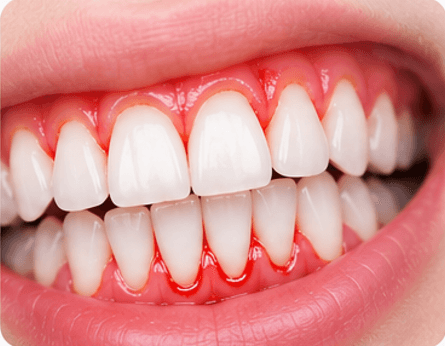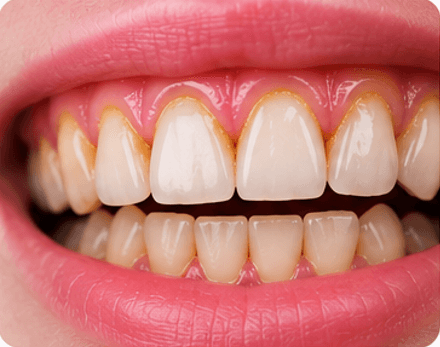
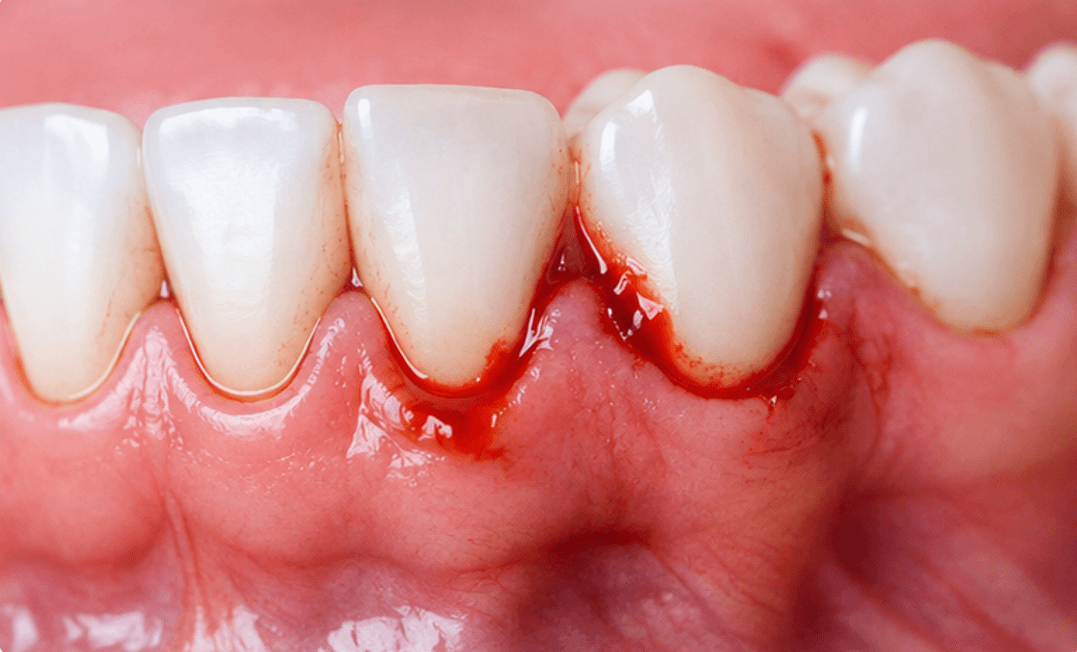
Blood on your toothbrush or floss is a signal that gum tissue is irritated, not a reason to stop cleaning. Bleeding Gums most often appear when plaque sits at the gum line long enough to trigger inflammation. In early disease, called gingivitis, the gums may look pink to red, feel puffy, and bleed with gentle brushing even though the teeth still feel firm. When inflammation spreads deeper and begins to damage the fibres and bone that hold teeth, the picture shifts toward Gum Disease in its more advanced form, periodontitis. Bleeding can still occur, but you may also notice bad breath, gum recession, spaces opening between teeth, or teeth that feel slightly loose. Not every bleed is disease. A new hard brush, rushed scrubbing, a sharp edge on a broken tooth, or floss catching under a tight contact can draw blood once or twice without implying a chronic problem. Hormonal shifts in pregnancy, certain blood-thinning medicines, and some medical conditions can make gums more prone to bleeding even when hygiene is reasonable. The useful questions are whether bleeding is new, how often it happens, and whether it comes with pain, swelling, pus, fever, or loosening teeth—answers that guide whether gentle home care, a General Dentistry review, or Gum Treatment should come next. This is educational information, not a substitute for an examination of your mouth.
Related conditions and treatments that patients often ask about include Bleeding Gums, Gum Disease, Gum Treatment and General Dentistry.
Why healthy gums usually do not bleed
Gums are soft tissue that seal around the necks of teeth. When that seal is intact and plaque is removed daily, the tissue stays pale pink, firm, and resilient. Bleeding is a response to injury or inflammation. In the mouth, the most frequent trigger is bacterial plaque—a sticky film that forms within hours after eating. Plaque that is not disrupted hardens into tartar in some areas, which you cannot brush away at home. Tartar acts like a rough ledge under the gum edge, keeping inflammation active.
People sometimes assume bleeding means they brushed too hard and therefore skip flossing. That reaction often makes matters worse. Plaque between teeth continues to irritate the papilla—the small triangle of gum between adjacent teeth—and bleeding persists. Gentle, thorough cleaning is the direction clinicians usually recommend, paired with a dental review if bleeding lasts more than a couple of weeks.
Occasional bleeding after you change technique—starting floss again after a long break, for example—can happen as inflamed tissue settles. If bleeding is daily, or if it returns every time you clean, treat that as a pattern worth discussing at a check-up, not as normal.
Gingivitis versus periodontitis
Gingivitis is inflammation limited to the gums. Teeth do not drift, pockets around teeth are typically shallow, and bone on X-rays looks stable. Reversing gingivitis is often possible with professional cleaning to remove tartar and with consistent home care. Bleeding may take a week or two to reduce once plaque control improves; gums may still look slightly red before they return to a healthier colour.
Periodontitis means the inflammation has affected the supporting structures. Pockets deepen as the attachment between gum and tooth is lost. Bone can resorb, which is visible on radiographs. Bleeding is common during cleaning, but the more concerning signs are persistent bad breath, gum recession, mobility, or discharge. Periodontitis is not cured by a single cleaning; it is managed over time with scaling, sometimes deeper instrumentation, regular maintenance, and excellent home care.
The line between the two is clinical, not something you can reliably judge from a mirror alone. That is why Gum Disease screening is part of routine General Dentistry. Catching gingivitis early prevents many cases from progressing. If you already have periodontitis, delaying care tends to allow more bone loss, which can complicate future treatment.
- Gingivitis: swollen or red gums, bleeding, teeth still firm
- Periodontitis: deeper pockets, recession, bone loss, possible looseness
- Both need professional assessment; only gingivitis is usually reversible without structural loss
Brushing and flossing trauma versus disease
A hard-bristled brush and a sawing motion at the gum line can abrade tissue and cause bleeding. Switching to a soft brush and using small circular or gentle scrub strokes along the gum margin often reduces trauma within days. Electric brushes with pressure sensors can help if you tend to bear down.
Floss or interdental brushes can nick inflamed papillae, especially if you snap floss down into the gum. The technique is to slide floss gently through the contact, curve it against one tooth, and move up and down without jerking. If you have tight contacts or restorations, your clinician can suggest the right thickness of floss or an alternative cleaner.
When trauma is the only issue, bleeding is usually linked to a specific habit change and improves quickly once technique softens. When plaque-driven inflammation is present, bleeding continues despite a soft brush because the source—bacterial film and tartar—remains. If you are unsure which situation you are in, a short dental visit can distinguish them.
Pregnancy, medicines, and medical factors
Hormonal changes during pregnancy increase blood flow to gums and can exaggerate the response to plaque. Some people develop pregnancy gingivitis even when hygiene was previously adequate. Bleeding, swelling, and a larger appearance of the gums between front teeth are common complaints. Professional cleaning and meticulous home care remain important; untreated inflammation can still progress.
Anticoagulant and antiplatelet medicines reduce clotting and can make gums bleed more easily from minor provocation. That does not mean gum disease is absent—it may be harder to interpret bleeding as a hygiene signal. Inform your dentist about medicines and medical conditions so cleaning plans and any surgical care can be coordinated safely.
Diabetes, some immune conditions, and vitamin deficiencies can influence gum health. If you have systemic illness and persistent bleeding, care is often shared between your medical team and dental team. Do not stop prescribed medicines because of gum bleeding without medical advice.
Other local causes worth knowing
Ulcers, burns from hot food, or sharp food impaction can cause isolated bleeding spots. A broken filling or Damaged or Broken Teeth with a rough edge can repeatedly traumatise nearby gum. Partially erupted wisdom teeth may have a flap of tissue that traps debris and bleeds when brushed.
Dentures or partials that no longer fit can rub and create sores. Orthodontic wires or brackets can temporarily irritate tissue until you adapt or receive a protective wax. These causes are usually local and improve when the mechanical problem is adjusted.
Cavities / Tooth Decay near the gum line can also inflame tissue. Decay is not treated by brushing alone. If a tooth is sensitive, broken, or has a visible hole, bleeding may be secondary to a tooth problem that needs restoration.
When to seek dental care—and when it may be urgent
Book a routine appointment if bleeding persists beyond two weeks of gentle twice-daily brushing and daily interdental cleaning, if gums look increasingly red or swollen, or if you notice breath odour you did not have before. A professional scale removes tartar and gives personalised hygiene advice.
Seek care sooner if you see pus, have gum pain that disrupts eating, notice a sudden increase in looseness, or have bleeding paired with fever and feeling unwell. Facial swelling, spreading redness, or difficulty opening the mouth may indicate infection that needs prompt treatment.
Bleeding alone is rarely an emergency, but infection can be. If you are uncertain, phone your clinic and describe swelling, pain level, and any systemic symptoms. They can advise whether to come in the same day.
Home care that supports gum healing
Brush twice daily with fluoride toothpaste and a soft brush. Aim for two minutes, including the gum line and back teeth. Clean between teeth once daily with floss or an interdental brush sized to fit without forcing. Mouthwash can be a useful adjunct for some people but does not replace mechanical plaque removal.
If you restarted flossing after a gap, expect minor bleeding for several days as inflammation settles—keep going gently unless pain worsens. Avoid smoking; it impairs healing and worsens periodontal disease risk. A balanced diet low in frequent sugary snacks reduces fuel for plaque bacteria.
For technique reminders, see How Often Should You Really Brush and Floss?. Regular check-ups matter even when teeth feel fine; early gum changes are often silent until bleeding appears. Why Regular Dental Check-Ups Matter Even When Your Teeth Feel Fine explains what those visits typically include.
- Soft brush, fluoride paste, twice daily
- Daily interdental cleaning with proper technique
- Do not stop cleaning because of blood—adjust pressure and tools
- Professional tartar removal when home care is not enough
What professional gum treatment may involve
After examination and pocket measurements, treatment may range from a thorough scale and polish for gingivitis to deeper scaling and root planing for periodontitis. Local anaesthesia is sometimes used so instruments can reach root surfaces comfortably. Your clinician may recommend more frequent maintenance intervals until inflammation is controlled.
Gum Treatment is not a one-time event for advanced disease. Maintenance visits monitor pockets, bleeding on probing, and bone levels. If certain areas do not respond, referral to a periodontist can be discussed. The goal is to stabilise the disease and help you keep your teeth functional.
Gum treatment works best alongside daily home care. If brushing and flossing slip after a deep cleaning, inflammation returns. Ask for a demonstration of tools that fit your mouth—handles for limited dexterity, powered brushes, or irrigators may help, but only if you will use them consistently.
How gum bleeding relates to tooth pain and overall health
Gums and teeth share the same environment. Advanced Gum Disease can contribute to loosening that feels like soreness when chewing. Conversely, an abscess from Tooth Pain can swell the gum beside a tooth. If you are unsure whether the problem is gum or tooth, examination and X-rays clarify the source.
Research links severe periodontal disease with broader health concerns, including cardiovascular disease and glycaemic control in diabetes. That does not mean bleeding gums cause heart attacks, but it supports treating chronic oral inflammation as part of overall health rather than a cosmetic annoyance.
Children and adults with medical complexity benefit from coordinated care. Bring a list of medicines and note when bleeding started relative to medication changes or pregnancy. That timeline helps clinicians separate local plaque effects from systemic influences.
Frequently Asked Questions
- Should I stop brushing or flossing if my gums bleed?
- Usually no. Bleeding often means plaque is irritating inflamed tissue, and skipping cleaning lets plaque build further. Switch to a soft brush, use gentle technique, and clean between teeth daily. If bleeding is heavy, painful, or worsening despite two weeks of careful home care, book a dental review to rule out advanced Gum Disease or another local cause.
- Can bleeding gums from gingivitis go away completely?
- Many cases of gingivitis improve once tartar is removed professionally and plaque is controlled at home. Gums may stop bleeding within days to a couple of weeks, though colour and texture can take longer to normalise. If bleeding persists after consistent care, pockets and bone should be assessed in case inflammation has progressed beyond gingivitis.
- Is bleeding during pregnancy normal?
- Pregnancy can make gums more reactive to plaque, so bleeding is common but not something to ignore. Continue gentle brushing and interdental cleaning, and arrange professional cleaning as advised. Untreated inflammation can still advance. Tell your dentist if you are pregnant so appointment timing and treatment choices are appropriate.
- Do blood-thinning medicines cause gum bleeding by themselves?
- They can make gums bleed more easily from minor trauma and may make bleeding look worse than the underlying gum health would suggest on its own. They do not replace the need for plaque control. Never stop prescribed anticoagulants because of gum bleeding without medical guidance. Your dentist can adapt cleaning methods and liaise with your physician if procedures are planned.
- Why do bleeding gums sometimes come with bad breath?
- Inflamed gums and deep pockets can harbour bacteria that produce volatile sulphur compounds, which smell unpleasant. Bad breath with bleeding suggests active inflammation rather than a food odour alone. Professional cleaning and improved interdental care often reduce both symptoms; persistent odour warrants examination for periodontitis or other sources.
- When is bleeding gums an emergency?
- Isolated bleeding while brushing is seldom an emergency. Seek urgent care if you have rapidly increasing swelling, fever, difficulty swallowing or breathing, severe pain, pus, or spreading redness in the face or neck. Those signs may indicate spreading infection rather than simple gingivitis.
- Will mouthwash alone fix bleeding gums?
- Mouthwash does not remove plaque and tartar from tooth surfaces and between teeth the way brushing and flossing do. Some therapeutic rinses may help as an add-on after professional diagnosis, but they are not a substitute for mechanical cleaning or for Gum Treatment when pockets are deep.
- How often should I have gums checked if I bleed easily?
- Follow the interval your dentist recommends after assessing your gums—often every six months for stable mouths, more frequently if periodontitis is present or if you have risk factors such as smoking or diabetes. Between visits, note changes in bleeding frequency and bring that information to appointments.