Root canal treatment has a reputation that rarely matches what most people experience in the chair. The name sounds dramatic, yet the procedure is usually about relieving pain from an inflamed or infected pulp—the soft tissue inside a tooth—while keeping the natural tooth in place when it can still be restored. If you have been told you may need Root Canal Treatment, you are not signing up for a punishment. You are agreeing to a sequence of careful steps: numbing the tooth, opening it safely, cleaning the canal spaces, sealing them, and then protecting the tooth with a filling or crown. Knowing that order—and why Tooth Pain or deep Cavities / Tooth Decay sometimes lead here—makes the visit feel less mysterious, and helps separate common myths from what patients typically report afterward. When a tooth is too damaged to save, honest planning also includes alternatives such as extraction and later replacement with Dental Implants or other options discussed under Oral Surgery. Nothing here replaces your dentist’s advice for your tooth.
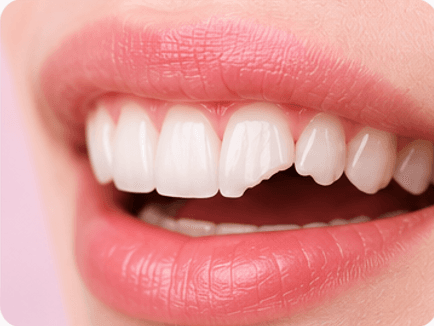
Related conditions and treatments that patients often ask about include Tooth Pain, Cavities / Tooth Decay, Damaged or Broken Teeth, Missing Teeth, Root Canal Treatment, General Dentistry, Dental Implants and Oral Surgery.
Why a root canal may be recommended
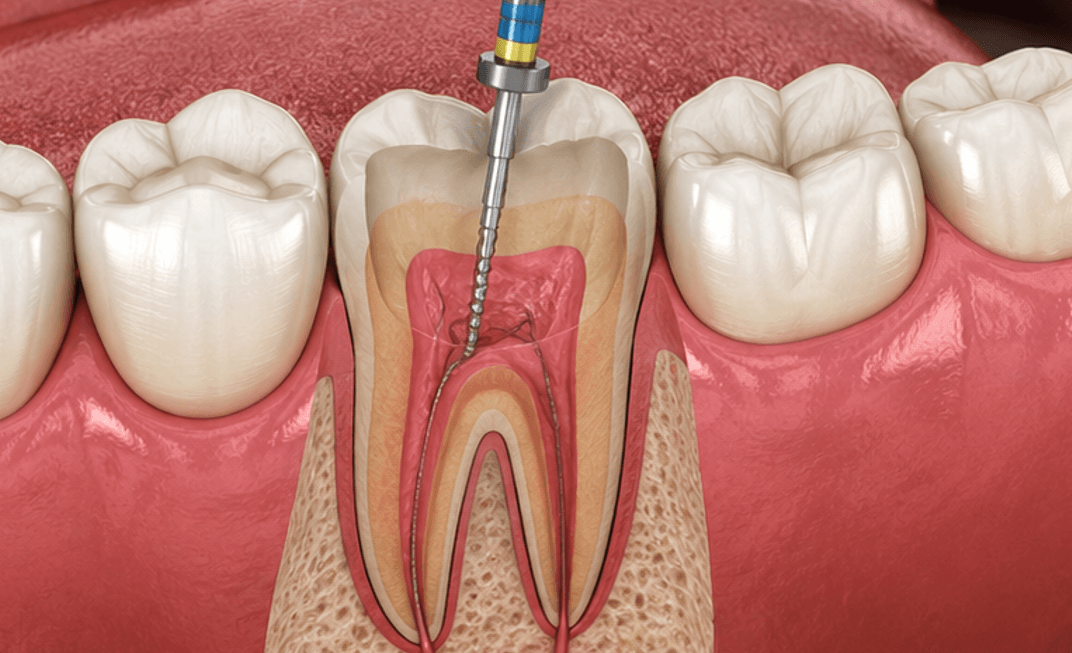
Teeth are not solid blocks of enamel. Under the hard shell lies dentine, and at the center a chamber and canals that once housed nerves and blood vessels during the tooth’s development. After the tooth erupts, that pulp helps the tooth sense temperature and minor injury, but a mature tooth can often function once the pulp is removed and the space is sealed—provided enough healthy structure remains on the outside.
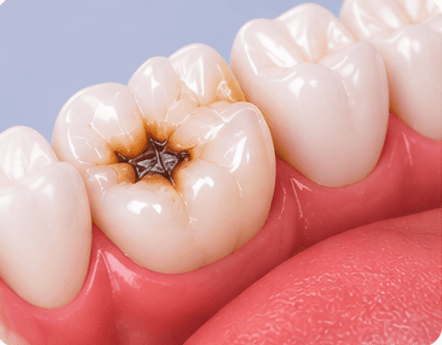
Dentists discuss root canal treatment when the pulp is irreversibly inflamed or infected. That situation commonly follows untreated or deep decay that has reached the nerve, but it can also follow a crack, repeated dental work on the same tooth, or trauma that interrupts blood flow to the pulp. The pattern of Tooth Pain matters: spontaneous throbbing, pain that lingers after heat, tenderness when biting, or swelling near the gum can all point toward pulp or root problems rather than a simple surface cavity.
The goal is not to “kill” a healthy tooth. It is to remove tissue that is already failing, reduce bacteria inside the canal system, and give you a foundation for a long-term restoration. If the outer walls are too thin or the root is fractured, saving the tooth may not be realistic. In those cases your team may talk about extraction and what comes next for chewing and appearance, including whether Missing Teeth replacement is part of your plan. Early assessment often keeps options wider; delaying care sometimes narrows them.
Before the appointment: assessment and planning
Root canal treatment begins with diagnosis, not with drilling. Your dentist or endodontist will ask when the pain started, what triggers it, and whether you have swelling, fever, or a bad taste. They will test the tooth alongside neighboring teeth so the problem is not treated on the wrong side of the mouth. Cold testing, gentle tapping, and probing the gums each add a piece to the picture.
Radiographs are routine. They show how far decay has traveled, whether there is bone change around the root tip, and how many canals the tooth likely has. Molars often have three or more canals; some front teeth have one. Imaging does not reveal every crack, which is why your history of biting hard foods or grinding matters. If the clinical picture is unclear, the plan may include a period of monitoring or referral for a specialist opinion rather than rushing into treatment.
You will also review medical history: blood thinners, recent surgery, uncontrolled diabetes, and certain heart conditions can influence how appointments are scheduled and whether antibiotics are considered before care. Pregnancy does not automatically rule out treatment, but timing and medication choices are discussed case by case. If you take anxiety about dental visits seriously, say so; longer appointments with breaks are sometimes easier than pushing through in silence.
Anesthesia and comfort during treatment
Modern root canal care is performed with local anesthesia for the vast majority of patients. The aim is profound numbness in the tooth and the surrounding jaw so you feel pressure or vibration during work, not sharp pain. If a tooth is acutely inflamed, numbing can take longer or need supplemental injections; that is a known challenge, not a sign that something is going wrong.
Some people benefit from listening to music or using breathing techniques. Sedation beyond local anesthesia is not required for a typical root canal, but it may be arranged in specific settings when anxiety or medical complexity warrants it. If you feel pain during treatment, you should be able to raise a hand so the team can pause and add anesthesia. Working through pain is not expected.
After numbness, a thin sheet called a rubber dam is often placed around the tooth. It keeps saliva away from the canals, improves visibility, and reduces the chance of bacteria from the mouth entering the cleaned spaces. Patients sometimes find the clamp odd for a minute, then barely notice it. The dam is one of those details that makes the technical part of the procedure more predictable for the clinician and, indirectly, safer for you.
Opening the tooth and reaching the canals
Once the tooth is isolated, the dentist creates a small controlled opening through enamel and dentine into the pulp chamber. For a back tooth, the entry is usually on the chewing surface; for a front tooth, it may be from the back where it is less visible. The opening must be large enough to see the canal openings but as conservative as possible to preserve strength.
Using fine instruments and often a surgical microscope or loupes, the clinician locates each canal. Teeth are variable: an upper first molar might have four canals while a lower incisor might have one or two. Missing a canal is one reason some infections persist; thorough search and imaging reduce that risk. You may hear a high-pitched handpiece; water spray keeps the tooth cool.
At this stage you are not “feeling” the nerve being removed in the way people imagine from old stories. The tissue inside is already compromised when treatment is indicated; the procedure removes it deliberately so infection does not remain a reservoir. If an abscess has formed at the root tip, cleaning and sealing the canals are part of controlling that process, sometimes alongside drainage or medicines when swelling is significant.
Cleaning, shaping, and disinfecting the canals
The heart of root canal treatment is cleaning the entire length of each canal. Small flexible files—manual or motorized—remove pulp remnants and shape the canal walls so they can be washed and filled. Length is confirmed with an electronic apex locator and radiographs so instruments do not extend beyond the root tip nor stop short, leaving bacteria behind.
Irrigating solutions flush debris and reduce bacterial load. The combination of mechanical shaping and chemical disinfection is what turns an infected canal into a space that can be sealed. This phase takes much of the appointment time. Single-visit treatment is common when infection is limited; severely swollen cases may need a medicated dressing inside the tooth and a second visit to finish.
Patients sometimes worry that “all the roots are removed.” Roots stay in the jaw; only the soft tissue inside them is cleared. The root’s outer shell continues to anchor the tooth. If roots are short, curved, or blocked by hardened tissue, treatment becomes more complex. Your clinician should explain if they expect a straightforward case or if specialist care improves the odds, without promising outcomes no one can guarantee.
Filling the canals and sealing the tooth
After drying the canals, they are filled with a biocompatible material—commonly gutta-percha with a sealer—so the space is closed from the tip of the root to the crown portion. A well-fitted core buildup or temporary filling then closes the access opening. The seal is meant to stop bacteria from re-entering from the mouth side or from the root tip side while the body heals any inflammation in the bone.
In some teeth, especially molars with large fillings before treatment, a post may be discussed to help retain a buildup. Posts are not automatic; they are used when remaining tooth structure is insufficient. Each choice trades strength against removing more dentine. That is part of why photos and X-rays of your specific tooth matter more than generic descriptions online.
If treatment spans two visits, the tooth may be left with a temporary filling between appointments. Temporary material is meant to last weeks, not years. Losing it early can expose the canals to saliva, so contact the office if it cracks or falls out. Avoid chewing hard foods on that tooth until the permanent restoration is in place.
Temporary versus permanent restoration
Finishing the root canal is not the same as finishing the tooth. Back teeth, in particular, often need a crown after root canal treatment because removing pulp can make the tooth drier and more brittle over time, and because the access opening weakens the crown structure. A filling alone may suffice for a small front tooth with plenty of remaining enamel, but that decision is made tooth by tooth.
A temporary crown or filling protects the tooth while a laboratory crown is made, or while you schedule the next visit. Chewing sticky or very hard foods on a temporary restoration risks dislodging it. If the bite feels high after numbness wears off, return for adjustment; an uneven bite can make the tooth sore even when the canals are clean.
Permanent restoration restores shape for chewing and closes the access opening with materials meant for long service. Delaying the final crown when one is recommended can allow fracture or leakage, which defeats the purpose of saving the tooth. General Dentistry follow-up keeps the rest of the mouth healthy while you heal; a root-treated tooth can still develop decay at the gumline if plaque accumulates.
Pain, myths, and what recovery usually feels like
The myth that root canal treatment causes severe pain persists partly because people arrive already in pain from pulpitis or abscess. Treatment addresses that source. Most patients describe the procedure itself as similar to a long filling appointment: odd sensations, occasional fatigue from keeping the mouth open, but not the horror stories of decades ago.
Afterward, mild soreness when chewing for a few days is common as the ligament around the root settles. Over-the-counter pain relievers used as directed often help. Swelling is less common after uncomplicated care but should be reported if it worsens. Antibiotics are not a substitute for cleaning the canals; they may be added when infection has spread into soft tissues, following professional judgement.
If pain intensifies after a few days instead of easing, the tooth may need re-evaluation—sometimes for a missed canal, a crack, or a high bite. Persistent problems do not always mean extraction is inevitable; they mean the diagnosis should be revisited. Reading Understanding Tooth Pain: Common Causes and When to See a Dentist can help you describe symptoms clearly at a follow-up visit.
When a tooth cannot be saved
Root canal treatment fails as an option when the tooth is split vertically, when decay destroys the crown below the gum line beyond repair, or when roots are fractured. Severe gum disease with little bone support can also make retention impractical. In those scenarios, extraction under local anesthesia is discussed. It is a disappointing conversation, but it is clearer than investing in a tooth with a poor long-term outlook.
After extraction, healing of the socket takes time. Replacement options depend on the site, your bite, and bone volume. Dental Implants require adequate bone and healthy gums; bridges rely on neighboring teeth; removable partial dentures are still appropriate for many people. None of these paths is chosen from marketing brochures—they follow examination and your priorities for chewing and appearance.
Sometimes a tooth is borderline. A dentist may offer root canal treatment with the understanding that if pain or infection returns, extraction remains on the table. That transparency is preferable to promises that every tooth can be heroically saved. If you already have Missing Teeth elsewhere, the plan for this tooth may consider how the whole arch functions, not only the single unit in trouble.
Connecting decay, check-ups, and prevention
Most root canals trace back to decay that went too deep or to old restorations that leaked. Regular exams catch Cavities / Tooth Decay when they are still small enough for a filling. Why Regular Dental Check-Ups Matter Even When Your Teeth Feel Fine describes why comfort at home is not always a reliable signal. Sensitivity that resolves quickly differs from pulp inflammation, but only clinical testing distinguishes them reliably.
Home care still matters after root canal treatment. Fluoride toothpaste, cleaning between teeth, and limiting how often sugar sits on enamel reduce new decay on other teeth and at margins of crowns. Night guards may enter the conversation if grinding contributed to cracks. None of this guarantees you will never need endodontic care again; it lowers the odds that the next problem starts as an emergency.
If you are unsure whether your symptoms warrant urgent care, note whether pain keeps you awake, whether biting is painful on one tooth, or whether swelling is present. Those patterns push the timeline forward. Mild cold sensitivity alone may allow a scheduled visit, but it should not be ignored for months. Early General Dentistry intervention often means simpler treatment than root canal therapy or extraction later.
Frequently Asked Questions
- Will I feel pain during the root canal?
- Treatment is done under local anesthesia so you should not feel sharp pain. You may feel pressure, vibration, or stretching from instruments. If numbness is incomplete, ask for more anesthesia before work continues. Severe pre-treatment pain from an abscess can make achieving numbness slower; that is a clinical challenge, not a reason to avoid care.
- How long does a root canal appointment take?
- Many teeth are treated in one visit lasting roughly sixty to ninety minutes, depending on canal count and complexity. Molars with infection or curved roots may need two visits. Specialist care can add time but may improve outcomes in difficult cases. Your clinician should outline whether they expect a single or staged finish after seeing your X-rays.
- Is soreness normal after treatment?
- Mild tenderness when chewing for several days is common as inflammation around the root resolves. Pain that improves steadily is reassuring. Worsening swelling, fever, or pain that builds after the third day should be reported. Over-the-counter analgesics help many people; use them only as directed and mention other medicines you take.
- Do I always need a crown afterward?
- Not always. Front teeth with modest damage may remain stable with a permanent filling. Chewing teeth with large access openings or prior large fillings usually need a crown to reduce fracture risk. Skipping a recommended crown can save money briefly but may cost the tooth later. Ask what failure mode they are trying to prevent in your case.
- When is extraction better than root canal treatment?
- When the tooth is split, extensively decayed below the gum, associated with severe bone loss, or when root fracture is suspected, extraction may be the more predictable path. Cost and time matter to patients, but prognosis matters clinically. If extraction is chosen, discuss healing and replacement so Missing Teeth does not create new bite problems.
- Will I need antibiotics?
- Antibiotics do not cure infection inside a sealed pulp space by themselves. They may be prescribed when swelling has spread, you have fever, or medical conditions raise concern about infection spread. Follow directions if they are given, but understand that cleaning and sealing the canals remains the core treatment for the tooth.
- Can I drive home or return to work the same day?
- Local anesthesia does not usually impair driving the way sedatives do. Many people return to desk work the same day. Your jaw may feel tired, and eating may wait until numbness fades to avoid biting soft tissue. Physical jobs with heavy vibration or dust are a personal judgement; there is no universal rule beyond common sense.
- How long does a root-treated tooth last?
- Longevity depends on the quality of the root filling, the final restoration, your bite forces, and hygiene. Teeth with well-fitted crowns and no untreated decay at margins can last many years. Some eventually need retreatment or extraction if new infection or fracture occurs. Treat saved teeth as valuable—not invulnerable.
- If the tooth is removed, is an implant my only replacement?
- No. Implants, bridges, and removable partial dentures each have roles depending on bone, neighboring teeth, and preference. Dental Implants: What Patients Should Know Before Treatment outlines implant planning in general terms. Extraction sites need healing before some options. Compare maintenance and surgery honestly rather than assuming one option fits every mouth.