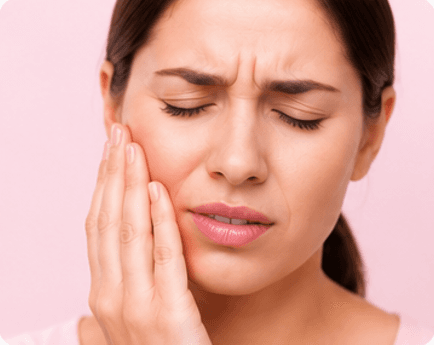
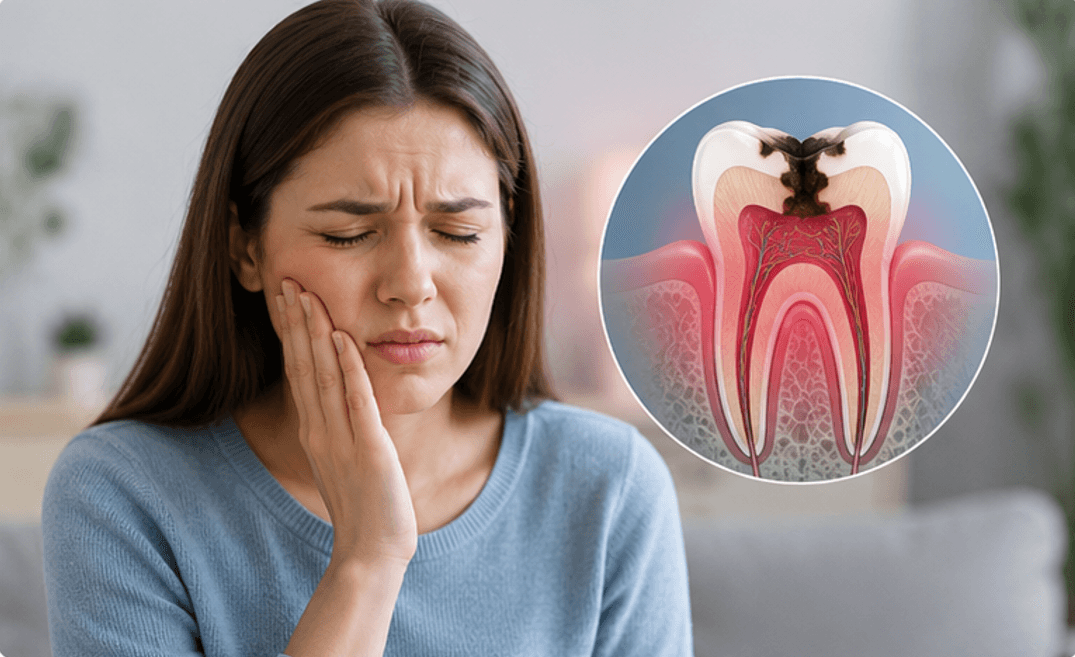
A toothache rarely arrives with a label attached. One person feels a lightning flash when ice water hits a molar; another notices a dull throb that builds through the evening and keeps them awake. Both call it “tooth pain,” yet the tissues involved may be completely different. Pain from the pulp—the soft tissue inside the tooth—follows different rules than pain from inflamed gums or from a hairline crack that opens when you chew. Learning those patterns does not replace an exam, but it can help you describe what you feel, avoid habits that make things worse, and recognise when waiting a few days is reasonable versus when swelling or fever means you should be seen quickly. Common sources of tooth pain include pulpal, periodontal, and cracked-tooth problems; once a dentist identifies the cause, care may involve general dentistry, root canal treatment, or sometimes oral surgery.
Related conditions and treatments that patients often ask about include Tooth Pain, Cavities / Tooth Decay, Gum Disease, Wisdom Tooth Problems, Damaged or Broken Teeth, General Dentistry, Root Canal Treatment, Gum Treatment, Oral Surgery and Dental Implants.
Tooth pain is a symptom, not a single disease
Dentists treat toothache as a complaint that must be traced to a structure. The enamel shell of a tooth has no nerves, but dentine beneath it contains tiny fluid-filled tubules that connect outward. When enamel thins from wear, decay, or gum recession, cold, sweet, or acidic stimuli can reach those tubules and produce a sharp, brief jolt. The pulp at the centre holds nerves and blood vessels. If bacteria or deep decay irritate the pulp, the ache may linger, pulse at night, or survive long after the hot tea is gone. Around the root, the periodontal ligament anchors the tooth in bone. Bite too hard on a high filling or grind at night, and that ligament can ache even when the pulp is healthy.
Because nerves in the jaw share pathways with the ear, temple, and sinuses, pain is not always felt exactly where the problem sits. A lower molar infection can feel like ear pain; an upper back tooth can mimic sinus pressure. That referral is one reason self-diagnosis from location alone fails. Another is that two problems can coexist: a tooth with decay and a gum pocket beside it may both contribute. The clinical goal is to test each hypothesis—cold response, biting pain, gum probing, and imaging—before choosing treatment.
If you read only one takeaway, let it be this: intensity of pain does not always match severity of disease. A small cavity can hurt sharply with sweets, while a slowly dying nerve can feel mild until an abscess forms. Conversely, a cracked cusp may hurt only when you chew grainy bread and seem fine the rest of the day. Describing duration, triggers, and whether pain is spontaneous helps a dentist more than rating it ten out of ten on a chart.
Pulp pain versus gum pain versus cracked teeth
Pulpal pain often relates to inflammation or infection inside the tooth. Classic patterns include lingering pain after heat, spontaneous throbbing that wakes you, and pain that painkillers barely touch. The tooth may feel raised when you bite because fluid pressure builds inside rigid walls. Once the pulp dies, the tooth can go quiet for weeks; bacteria may still spread into the bone, and swelling can return later. That quiet phase tricks many people into thinking the problem resolved itself.
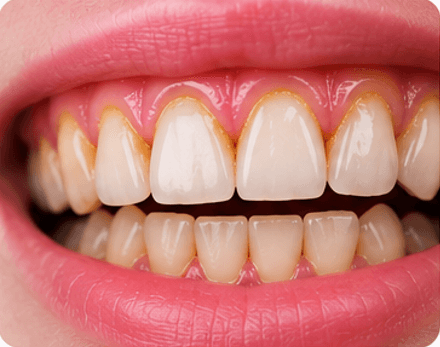
Gum and bone pain around a tooth can feel just as “toothy.” Food wedged between molars, an ulcer under a denture flange, or an acute infection around a partially erupted wisdom tooth can localise to one side of the jaw. Gum disease exposes roots and makes cold air painful along the neck of the tooth rather than in the biting surface. A periodontal abscess—a pocket of pus in the gum and bone—may throb and feel worse when you touch the gum, while the pulp inside still tests alive. Treatment here leans toward cleaning, drainage, and gum treatment, not necessarily a root canal.
Cracked tooth syndrome sits between those worlds. A fracture may run from a filling toward the root. Chewing flexes the crack, stimulating the pulp or ligament. Pain on release of the bite, sensitivity to cold on one cusp, or discomfort when you bite on a popcorn kernel and then feel fine at rest are common stories. Cracks do not always show on X-rays; the dentist may use bite tests, transillumination, or staining. Some cracks can be bonded or crowned; others extend below the gum and leave extraction as the realistic option. Damaged teeth from old trauma or large fillings carry higher crack risk.
- Brief cold zing that fades within seconds often points to exposed dentine or a shallow lesion
- Pain that lingers more than thirty seconds after heat or cold suggests pulpal involvement
- Pain when biting down, especially on one cusp, raises suspicion for a crack or ligament inflammation
- Pain mainly at the gumline with bleeding may align with gum infection rather than nerve death
- Facial swelling, fever, or a foul taste can mean infection has spread beyond the tooth
Decay, fillings, and when cavities hurt
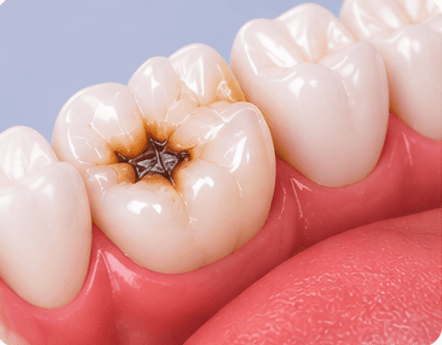
Cavities start quietly. Acid from plaque dissolves enamel minerals; early demineralisation may cause no pain at all. Once the hole reaches dentine, sweets and temperature changes often trigger short sensitivity. If decay progresses toward the pulp, the tooth may ache without any obvious trigger. People sometimes blame “sensitive toothpaste failure” when the real issue is a growing lesion between teeth that only shows on a radiograph.
Existing restorations fail over time. Margins leak, fillings crack, and recurrent decay forms under old material. A tooth that was comfortable for years can suddenly hurt when bacteria reach fresh dentine. Because the outer surface looks intact, patients are surprised when the dentist finds a cavity under a crown or filling. Regular exams catch those lesions earlier, when a simpler restoration through general dentistry may still suffice.
Deep decay does not always mean immediate root canal. If inflammation is reversible—pain that stops quickly after a trigger—the dentist may remove decay and place a filling, then monitor. If the pulp is irreversibly inflamed or already infected, cleaning the canal system becomes part of the plan. Antibiotics alone cannot sterilise the dead space inside a tooth; they may help when infection has spread into soft tissue, but dental treatment still has to address the source.
Wisdom teeth, sinus overlap, and other mimics
Partially erupted wisdom teeth trap food and bacteria under a flap of gum. The area can swell, taste bad, and hurt when you close your jaw. Pain may feel like a general back-molar ache rather than a classic cavity. Cleaning under the flap and improving access sometimes settles acute symptoms; repeated episodes or difficulty keeping the area clean may lead to discussion of removal under oral surgery after assessment.
Upper back teeth sit close to the maxillary sinus. Congestion from a cold or sinusitis can make several upper molars feel sore at once, often with pressure above the cheek. Bending forward may change the sensation. Dental sources still need ruling out—decay and gum problems can coexist with sinus issues—but the pattern of multiple upper teeth aching with nasal symptoms differs from single-tooth pulpal pain.
Muscle pain from clenching or bite imbalance can ache in the molar region without any decay. Jaw joints click or ache separately from teeth; if you are unsure, note whether pain increases after stressful days or long dental appointments with your mouth open wide. A dentist can still examine teeth to exclude dental causes before attributing everything to muscle tension.
When tooth pain may be urgent
Many toothaches are uncomfortable but not immediately dangerous. Pain that has lasted more than a couple of days, keeps returning, or needs regular painkillers to sleep still deserves a scheduled visit—even without swelling. Urgent or same-day care is more appropriate when infection may be spreading. Warning signs include swelling of the face or gum that grows over hours, fever, difficulty opening the mouth fully, trouble swallowing, or breathing that feels restricted. An eye beginning to swell after upper tooth pain is a reason to seek emergency care without delay.
Trauma matters on its own timeline. A chipped tooth with mild sensitivity should be examined, but a tooth knocked loose, pushed into the gum, or fractured with exposed pink tissue inside needs prompt attention. Bleeding that will not stop after gentle pressure also changes the urgency. If you are unsure, calling a dental clinic to describe swelling and fever is reasonable; staff can often advise whether to come in immediately or attend a hospital emergency department.
Medical conditions can change risk. People with poorly controlled diabetes, significant heart valve issues, or weakened immunity may need earlier intervention when infection is suspected. Pregnancy does not block dental care; untreated abscesses pose their own risks. Bring a list of medicines, including blood thinners, so any plan for extraction or surgery accounts for bleeding risk and drug interactions.
What you can try at home—and what crosses the line
Home measures are for temporary relief while you arrange professional care, not for curing infection inside a tooth. Over-the-counter pain relievers used as directed on the label may reduce inflammation and help you function until an appointment. A cold compress on the cheek—not ice directly on the tooth—can ease swelling. Salt-water rinses may soothe gum irritation; they do not kill bacteria deep in the root canal.
Avoid placing aspirin tablets against the gum; that can burn tissue and does not target the nerve effectively. Do not heat the face aggressively; warmth can worsen some swellings. Chewing on the opposite side reduces load on a cracked or inflamed tooth. Skip very hot, cold, or sweet foods if they clearly trigger pain. If food packing between teeth causes ache, gentle flossing once may help; forcing floss into a swollen gum can hurt more.
Oil pulling, garlic poultices, and similar remedies sometimes circulate online. They may distract from the underlying problem and delay care when decay is advancing. Whiskey rinses numb briefly but do not sterilise pulp. If pain subsides after a few days, still book an exam—a non-vital tooth can feel better while infection smoulders in bone. For more on daily habits that lower future decay risk, see how often to brush and floss and why regular check-ups matter.
How dentists investigate toothache
The visit starts with your story: onset, triggers, location, and what you have already tried. The dentist looks for cavities, cracks, worn facets, and gum redness. Percussion—gentle tapping—and bite tests on individual cusps help separate ligament pain from pulpal pain. Cold testing compares responses between suspicious teeth and neighbours so the wrong tooth is not treated. Probing measures gum pocket depth; bleeding and deep pockets suggest periodontal involvement.
Radiographs show decay between teeth, bone loss, abscesses at root tips, and the shape of prior root fillings. They rarely display fine cracks. Sometimes additional imaging or referral to a specialist is needed when canals are complex or diagnosis stays unclear after initial tests. Honest communication includes phrases like “likely pulpal” or “likely gum-related” rather than guaranteeing one procedure before all data is in.
If you fear treatment, ask what each test is for. Understanding that cold spray is brief, or that X-rays use small sensors, can make the appointment feel less mysterious. Sedation or numbing options vary by clinic and medical history; mention anxiety so the team can pace the visit.
Treatment paths once the source is known
When decay has not reached the pulp, removing damaged structure and placing a filling or crown may end symptoms. If the pulp is infected, root canal treatment aims to clean, shape, and seal the canal space so the tooth can remain in the arch, often followed by a crown if walls are thin. Teeth that are split, have severe bone loss, or cannot be restored predictably may be extracted; replacement options such as dental implants or bridges are discussed when a gap would affect chewing or alignment.
Gum-focused problems receive scaling, root surface cleaning, or drainage of an abscess beside the tooth. Orthodontic pressure from braces or clear aligners can cause dull ache for a day or two after adjustments; that differs from localised decay pain and usually improves with soft foods and usual hygiene. Pediatric dentistry approaches child toothache with similar diagnostic steps, adjusted for cooperation and developing teeth.
Pain control after treatment is normal for a short period; worsening swelling, rising fever, or pain that escalates instead of easing should prompt a follow-up call. Long-term success depends on sealing restorations well, cleaning between teeth, and addressing grinding if cracks keep appearing.
Preventing the next episode
Most toothache prevention is decay and gum disease prevention. Fluoride toothpaste, cleaning between teeth daily, and limiting how often sugar stays on enamel reduce new cavities. Fixing small problems before they reach the nerve avoids many midnight emergencies. Night guards may be suggested if grinding fractures restorations. If dry mouth from medicines reduces saliva, extra fluoride and hydration strategies matter because decay can accelerate quietly.
After dental work, report a bite that feels high before the anaesthetic wears off completely; adjusting contact early can prevent ligament inflammation. Athletes should consider mouth guards for contact sports. None of this eliminates all tooth pain—trauma and unexpected cracks still happen—but it shifts the odds toward smaller interventions discovered at routine visits rather than abscesses discovered on a holiday weekend.
Frequently Asked Questions
- Can tooth pain go away on its own without treatment?
- Sometimes the sensation fades, especially if the pulp inside the tooth dies and pressure drops. That does not mean the tooth is healthy. Bacteria can remain in the root canal and spread into the surrounding bone, and swelling may return days or weeks later. Reversible sensitivity from a small area of exposed dentine may improve if you avoid triggers and use desensitising toothpaste, but only an exam can tell whether decay is still advancing. If pain disappears after a few days, scheduling a check still makes sense so hidden infection or a crack is not missed.
- How do I know if my toothache is from the nerve or the gum?
- Clues help, but dentists confirm with tests. Nerve pain often lingers after hot or cold, may throb at night, and can feel worse when you lie down. Gum pain may come with bleeding, a pimple-like bump on the gum, or tenderness when you press the tissue rather than when you sip cold water. Pain on biting can mean either a cracked tooth or ligament inflammation. Because patterns overlap, cold testing, probing, and X-rays at a visit are more reliable than guessing from symptoms alone.
- Is sensitivity to cold always a cavity?
- No. Receded gums, recent whitening, acid erosion, or a new filling can cause cold sensitivity without active decay. Short zings that stop within a second or two often point to dentine exposure. Sensitivity that lasts longer, or pain with sweets, raises the chance of a cavity or deeper pulp issue. An exam locates worn areas, checks for decay between teeth, and decides whether a filling, gum care, or desensitising treatment fits.
- Should I take antibiotics for a toothache before seeing a dentist?
- Antibiotics do not cure infection trapped inside a tooth because they cannot reach the necrotic pulp space in useful concentrations. They may be prescribed when there is spreading soft-tissue swelling, fever, or medical reasons that make infection especially risky, but they are meant to accompany dental treatment—not replace it. Taking leftover antibiotics without a prescription can cause side effects and resistance. Call a dentist to describe swelling and general symptoms so they can advise on timing and whether antibiotics are appropriate.
- What does it mean if only one tooth hurts when I chew?
- Localised biting pain often points to that specific tooth or its supporting ligament. A crack that opens under load, a high filling, or an abscess at the root tip are common considerations. Generalised jaw ache on both sides may relate more to muscle tension or sinus issues. The dentist may have you bite on a cotton roll or a bite stick to reproduce pain on a single cusp, which helps distinguish cracked tooth syndrome from broader problems.
- Can a wisdom tooth cause pain in the molars next to it?
- Yes. A partially erupted wisdom tooth can inflame the gum flap around it and make the whole back of the jaw feel sore. Food and bacteria under the flap irritate tissue and sometimes cause trismus—reduced opening. The adjacent second molar can also develop decay if cleaning is difficult. Assessment determines whether deep cleaning, antibiotics for spreading infection, or later removal is appropriate.
- How long is it reasonable to wait for a dental appointment?
- Mild sensitivity that started after a known trigger and improves within a day or two may wait for a routine slot if you are otherwise well. Pain that persists beyond forty-eight hours, disrupts sleep, or needs repeated painkillers deserves scheduling within a few days. Swelling, fever, difficulty swallowing, or rapid facial enlargement should not wait. When in doubt, phone the clinic; describing symptoms takes minutes and clarifies urgency.
- Will I need a root canal if my tooth hurts?
- Not every painful tooth needs root canal treatment. Reversible pulpitis may settle after removing decay and placing a restoration. Irreversible pulpitis, necrosis, or infection in the bone around the root usually requires cleaning the canals or removing the tooth if it cannot be saved. The decision follows test results and imaging, not pain intensity alone. Some cracked teeth need crowns without root canals; others need both.
- Can grinding or clenching make teeth ache without decay?
- Clenching overloads the periodontal ligament and can make teeth feel sore, especially in the morning. Enamel wear can also increase temperature sensitivity. A dentist looks for flat wear facets, checks the bite, and asks about stress or sleep patterns. A night guard may reduce forces; treating decay or cracks still matters if those are present. Jaw joint issues can coexist and may need separate evaluation.