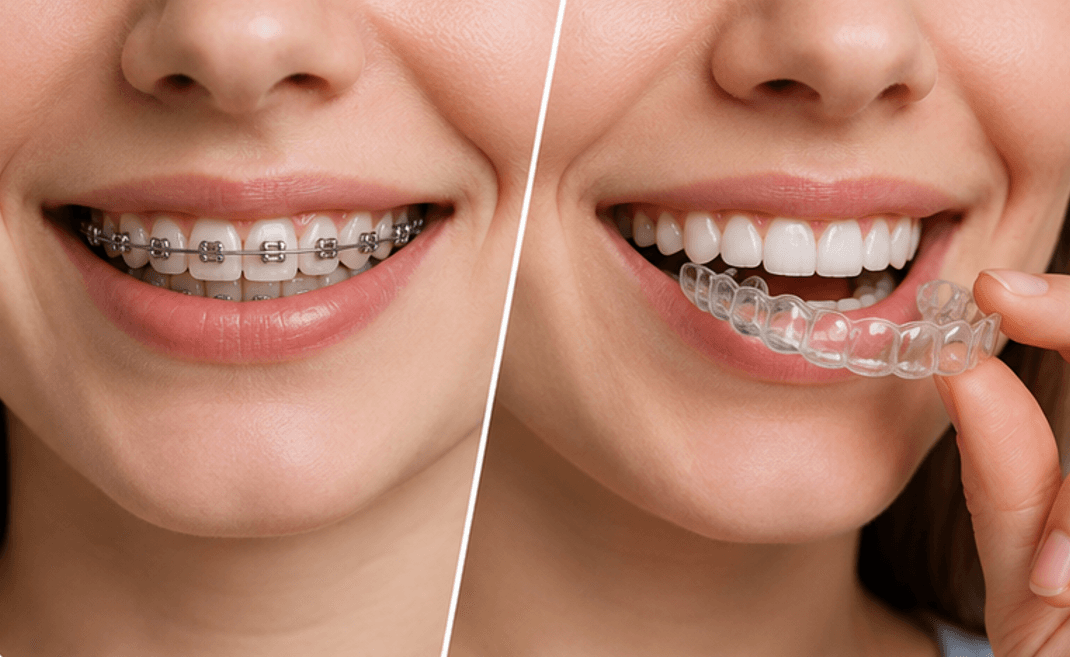
Straightening teeth is rarely a debate between good and bad technology. It is a match between your bite, the movements required, and how you will live with an appliance for months or years. Fixed braces— metal, ceramic, or self-ligating— stay bonded to teeth and work continuously. Clear Aligners (Invisalign) are removable trays that apply force through a planned series of plastic shells. Both fall under Orthodontics, yet they feel different in daily life, demand different discipline, and excel in different clinical situations. If you have Misaligned Teeth, an uncomfortable Difficulty Chewing / Poor Bite, or crowding that makes cleaning difficult, this comparison is meant to prepare you for a consultation, not to declare a winner from a blog headline. Retainers afterward matter as much as the active phase; teeth drift throughout life. Hygiene, diet, speech, and travel all influence satisfaction. Read alongside clinic guides on Clear Aligners (Invisalign) and orthodontics, and use How Often Should You Really Brush and Floss? as a reminder that straight teeth still collect plaque if home care slips.
Related conditions and treatments that patients often ask about include Misaligned Teeth, Difficulty Chewing / Poor Bite, Cavities / Tooth Decay, Missing Teeth, Orthodontics, Clear Aligners (Invisalign), General Dentistry and Cosmetic Dentistry.
What both approaches are trying to accomplish
Orthodontics moves teeth by applying light, sustained force that remodels the bone around roots. The visible crown tilts or rotates; the root moves within the socket over time. Complex movements— closing spaces, correcting crossbites, uprighting tipped molars, or aligning jaws in growing patients— require precise force direction. Appliances are tools to deliver that force.
Braces use brackets glued to teeth and an archwire that is adjusted periodically. Elastics may link upper and lower arches to improve bite fit. Aligners use computer-planned stages, each tray slightly different from the last, to nudge teeth toward the planned position. Attachments— small tooth-colored bumps— are often bonded to teeth so aligners can grip for certain movements.
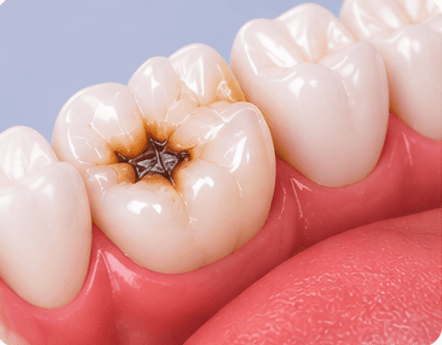
Neither method instantly fixes gum disease or decay. Active Cavities / Tooth Decay and untreated Bleeding Gums should be addressed before or during orthodontic care so inflammation does not worsen under appliances. General Dentistry underpins orthodontics; moving teeth through infected gums is poor practice.
Candidacy: when braces often lead the conversation
Braces remain the workhorse for moderate to severe crowding, large rotations, significant vertical discrepancies, and some skeletal patterns in growing children. Fixed appliances do not depend on the patient remembering to insert them; they work while you sleep, forget, or travel. That reliability matters when compliance is uncertain— some teenagers, many younger children, and patients with cognitive or manual limitations.
Bite corrections that need torque on individual roots, intrusion or extrusion of teeth, or coordinated jaw changes with elastics are often more predictable with braces. Clear aligners have improved dramatically, but extreme movements or very rotated teeth may still finish faster or more safely with brackets.
Ceramic braces reduce metal visibility but can be slightly bulkier and require careful cleaning around brackets. Lingual braces on the tongue side hide from the front view but can irritate the tongue and complicate hygiene. The choice among brace types is secondary to whether fixed appliances are the right category at all.
Candidacy: when clear aligners fit well
Aligners appeal to adults and image-conscious teens who want a low-visibility option and are willing to wear trays twenty to twenty-two hours daily. Mild to moderate crowding, spacing, and some bite adjustments are commonly treated with Clear Aligners (Invisalign) when digital planning shows the movements are within the system’s capabilities.
Removability simplifies eating sticky or hard foods during active treatment— there is no bracket to break with toffee— but it introduces a different failure mode: trays left out on a lunch tray or forgotten on a nightstand stop working. Compliance is not a moral virtue; it is a clinical requirement. If your lifestyle includes frequent snacking without brushing, aligners may spend too long out of the mouth to stay on schedule.
People with a history of Missing Teeth or restorations can still use aligners when anchorage is planned carefully, but missing teeth may need provisional replacement or space management so trays seat properly. Severe Difficulty Chewing / Poor Bite with jaw size mismatch may need braces, surgery, or a combination rather than aligners alone.
Compliance and lifestyle tradeoffs
With braces, compliance focuses on avoiding foods that debond brackets, wearing elastics as prescribed, and keeping teeth clean despite wires. With aligners, compliance means wear time, changing trays on schedule, and storing trays safely away from pets and napkins. Lost aligners delay treatment while replacements are made.
Travel and public speaking tilt preferences. Aligners allow brief removal for a presentation or meal, then reinsertion after brushing when possible. Braces stay put, which comforts people who do not trust themselves to wear trays enough hours. Musical wind instruments and contact sports affect both systems; mouthguards and wax help brace wearers; aligners may be removed briefly for sport if agreed with the clinician.
Social visibility is real but not the only variable. A patient who will wear aligners diligently may finish before a patient with braces who misses adjustment appointments. Conversely, a patient who constantly removes aligners may never reach the planned stage. Honest self-assessment helps more than choosing the appliance that looks easiest in photos.
Hygiene and gum health during treatment
Plaque accumulates around brackets and under wires, making meticulous brushing and interdental cleaning essential. Hygienists may recommend special brushes, floss threaders, or water irrigators. White spot lesions— early decalcification— can appear if cleaning slips during brace treatment, leaving permanent marks when brackets come off.
Aligners cover teeth, trapping saliva and bacteria if trays are reinserted without brushing after meals. Cavities can still form if sugar sits under a tight tray. Rinse before reinserting when full brushing is impractical, but do not treat rinsing as a long-term substitute. Bleeding Gums: Common Causes and When to See a Dentist applies during orthodontics as much as before it.
Professional cleanings continue on a schedule your dentist recommends. Do not skip recall because you are “already seeing the orthodontist.” Orthodontists focus on tooth movement; Gum Treatment needs may still belong with your general dentist or periodontist if inflammation persists.
Comfort, speech, and appointments
Both systems cause tenderness after adjustments or new tray sets as teeth begin to move. Braces may irritate cheeks until wax is applied. Aligners can press on edges of the tongue and affect lisping for a few days after each change. Speech usually adapts; persistent problems should be mentioned.
Brace patients visit for wire changes and elastic checks on intervals the orthodontist sets. Aligner patients may receive several trays at once and check in remotely or in person less often, depending on the practice. Neither path is hands-off; missed appointments stretch timelines.
Emergencies differ: a pokey wire or broken bracket needs repair; a cracked aligner may mean stepping back to a previous tray until a replacement arrives. Knowing who to call after hours reduces stress when something breaks before a holiday.
Bite problems beyond straight front teeth
Cosmetic alignment of the social six front teeth does not automatically fix a painful or inefficient bite. Crossbites, deep bites that traumatize the palate, open bites from tongue habits, and asymmetries may need vertical and transverse correction, not only closing gaps. Difficulty Chewing / Poor Bite can contribute to tooth wear, jaw muscle fatigue, and chipped edges on Damaged or Broken Teeth.
Aligners can correct some bite issues with elastics or specialized attachments; braces do the same with a long track record. Severe skeletal discrepancies in adults may combine orthodontics with jaw surgery; that is a different conversation from choosing tray versus bracket brands. Jaw Pain and Clicking: Understanding TMJ Problems reminds us that jaw symptoms have many causes; orthodontics is not a guaranteed cure for joint pain, and active joint flares may influence timing.
If Missing Teeth spaces must be opened or closed for future implants or bridges, orthodontics becomes part of a staged restorative plan. Moving roots into ideal position before Dental Implants or crowns improves outcomes. Coordinate specialists rather than treating alignment in isolation.
Treatment length and what affects it
Simple cases may finish within several months; complex bite corrections can run two years or more regardless of appliance type. Broken brackets, poor elastic wear, lost aligners, and skipped visits extend timelines. Biology varies: some teeth move readily; others stubbornly resist.
Refinement scans at the end of aligner treatment are common— a few additional trays to detail contacts. Braces may need finishing wires for the same reason. “Estimated months” at the start are projections, not contracts with teeth.
Age matters mildly. Children and teens may still have growth to guide; adults move teeth successfully but may face slower bone turnover or prior gum issues. Pediatric Dentistry and orthodontic screening overlap when mixed dentition is present; early interceptive treatment sometimes reduces later complexity.
Retainers: the phase most people underestimate
Active treatment moves teeth; retainers keep them there. Bone and gum fibers remodel after forces stop, and teeth have a lifelong tendency to drift— especially lower front teeth. Fixed retainers bonded behind incisors and removable vacuum-formed retainers each have roles. Some patients use both.
Skipping retainers invites relapse. Mild crowding returning after years without wear is a frequent regret, not a rare mishap. Retainer checks at recall visits catch broken wires or ill-fitting trays. Replace worn retainers rather than stretching old plastic.
If you invest months in Orthodontics, budget attention for retention the same way you budget brushing. Whitening or Cosmetic Dentistry after alignment is popular, but Tooth Stains & Discoloration should be managed after brackets are off and enamel is clean, not as a substitute for moving teeth that sit out of arch form.
Choosing with your clinician—not from advertising
Marketing compares aligner brands and invisible braces with slick timelines. Clinical records compare them more honestly: models, photographs, X-rays when needed, and a written problem list. Ask which movements are critical, which appliance the clinician would choose for their own mouth in your situation, and what happens if progress stalls.
Cost structures differ by region and case complexity; beware of single-number quotes without examination. Payment plans help, but they do not change biology. Second opinions are reasonable for surgical-orthodontic plans or when recommendations diverge sharply.
Combine this article with service pages on Clear Aligners (Invisalign) and orthodontics for terminology, then bring questions about wear time, emergency coverage, and retention to the appointment. The best appliance is the one that fits your bite, your hygiene habits, and the life you actually live—not the one trending on social media.
Mixed plans and mid-course changes
Some patients start with aligners and switch to braces for finishing, or begin with braces to level severe crowding then move to trays for minor detailing. Hybrid plans are not failure; they reflect how teeth respond. Discuss upfront whether your provider offers both systems so you are not locked into one pathway if biology or compliance suggests a change.
Adult patients who had braces decades ago and notice renewed crowding may ask about short aligner refresher courses versus fixed touch-ups. The right choice depends on how far teeth have drifted and whether restorations or Damaged or Broken Teeth limit bonding brackets. Retainer wear history tells the clinician how likely relapse is after a second round of active treatment.
Children in interceptive phase-one treatment sometimes wear partial braces or appliances before a later comprehensive phase. Parents should understand that phase one rarely eliminates the need for phase two; it may simplify it. Clear aligners for young children exist in selected cases, but manual dexterity and wear tracking remain practical concerns at home and at school.
Frequently Asked Questions
- Are aligners faster than braces?
- Speed depends on case complexity and compliance, not the label on the box. Mild aligner cases can finish quickly when trays are worn as prescribed. Complex brace cases may still be faster than aligners that struggle with certain root movements. Ask for a realistic range, not a guaranteed month count.
- Which option hurts more?
- Both cause pressure soreness after activation. Braces may scratch cheeks until you adapt. Aligners can ache for a day or two with each new tray. Neither should cause sharp unrelenting pain; report that promptly. Over-the-counter analgesics help some patients during transitions.
- Can I eat normally?
- Aligners come out for meals, so most foods are fine if you brush before reinserting. Braces require avoiding very hard, sticky, or chewy foods that pop brackets off. Both approaches work better when diet is tooth-friendly overall, not only when appliances are on.
- Which is better for teenagers?
- Teens who will not wear aligners enough hours often do better with braces. Responsible teens who prefer discretion may thrive with aligners if the case is suitable. Parental involvement helps track wear time and tray changes. The orthodontist assesses maturity and hygiene, not only age.
- Do braces or aligners cause cavities?
- Appliances do not cause decay; plaque left on teeth does. Braces make cleaning harder; aligners trap debris if reinserted without cleaning. Fluoride toothpaste, interdental cleaning, and regular dental visits reduce risk for either system.
- How long must I wear retainers?
- Many clinicians recommend long-term night-time wear of removable retainers or permanent fixed retainers behind front teeth. Exact plans vary. Treat retention as ongoing maintenance, not a two-week afterthought once active trays or braces come off.
- Can I whiten during treatment?
- Whitening during active orthodontics is usually deferred or done only under professional guidance because brackets or attachments block portions of enamel. Professional Teeth Whitening: What You Should Know fits better after appliances are removed and gums are healthy.
- Can I start orthodontics if I am missing a tooth?
- Often yes. Space may be opened for an implant or closed if a replacement is not planned. Aligners and braces both move neighboring teeth when anchorage is controlled. Mention restorative plans early so tooth movement matches future Dental Implants or bridge design.
- Will straightening fix my jaw clicking?
- Not necessarily. Joint sounds and muscle pain have multiple contributors. Orthodontics may improve bite contacts but is not a universal TMJ treatment. Evaluate jaw symptoms on their own merits, sometimes with TMJ / Jaw Disorder Treatment specialists, before assuming aligners or braces will resolve clicking.