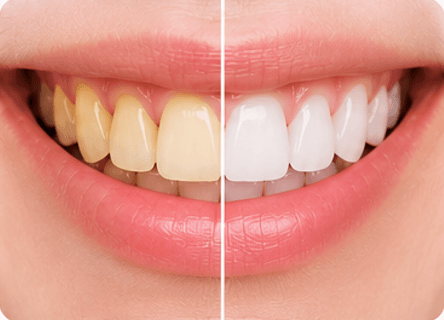
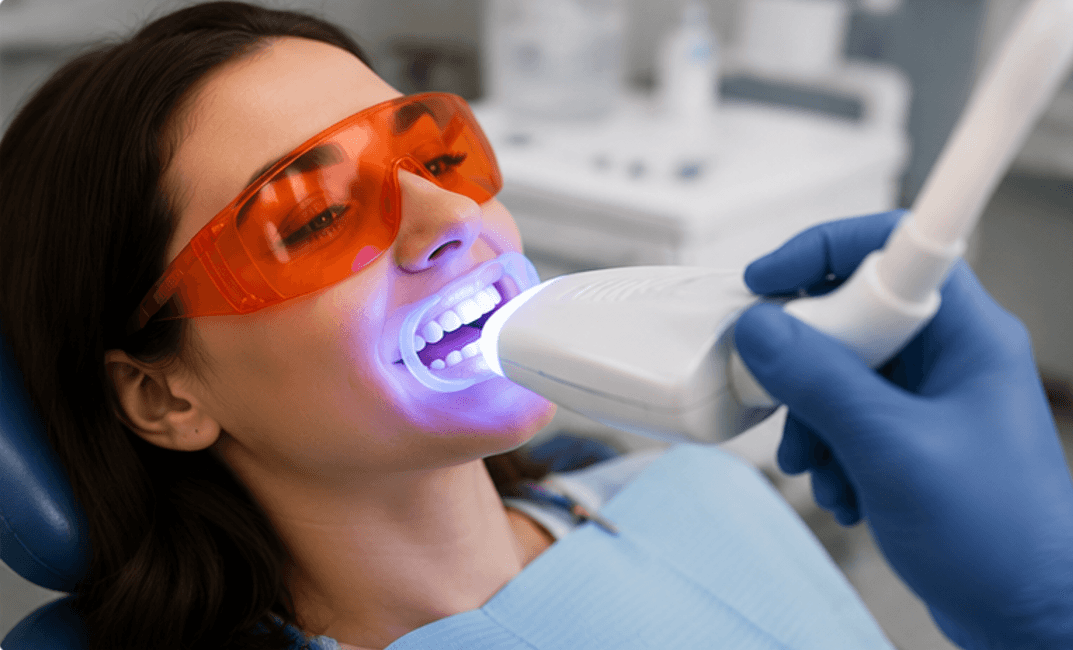
Professional teeth whitening uses dentist-supervised peroxide gels to lighten the colour of natural tooth enamel. It can reduce many yellow or brown surface stains from coffee, tea, tobacco, and ageing, but it is not a universal fix for every type of discoloration. Tooth Stains & Discoloration on the outside of the tooth—extrinsic stains—often respond better than colour changes built into the tooth structure—intrinsic stains—from trauma, certain antibiotics taken during tooth formation, developmental conditions, or a nerve that has died. Whitening also does not change the shade of existing crowns, veneers, or composite fillings; those materials were chosen to match your teeth at the time they were placed and stay the same colour when adjacent enamel lightens. That mismatch is one reason a check-up before Teeth Whitening matters. Clinicians confirm that gums are healthy, decay is treated, and expectations fit your starting shade. Temporary sensitivity during or after treatment is common and usually settles. Knowing how supervised whitening differs from over-the-counter products—and how Cosmetic Dentistry planning fits it into a broader smile plan—helps you set realistic expectations. Outcomes vary with enamel, habits, and the type of stain; no honest plan promises a fixed number of shades lighter.
Related conditions and treatments that patients often ask about include Tooth Stains & Discoloration, Teeth Whitening, Cosmetic Dentistry and General Dentistry.
Extrinsic stains versus intrinsic discoloration
Extrinsic stains sit on or in the outer layer of enamel. Pigments from dark beverages, spices, smoking, and chromogenic bacteria embed in the protein pellicle and shallow enamel pores. Professional cleaning removes much of this layer, which is why hygiene visits sometimes brighten the smile before any bleaching gel is used.
Intrinsic discoloration affects the bulk of enamel or the dentine beneath. Examples include tetracycline banding if the medicine was taken while teeth were forming, fluorosis with white or brown mottling, greying after pulp death, and general darkening as enamel thins with age and more yellow dentine shows through. Peroxide can lighten some intrinsic cases partially; others plateau early or need internal bleaching or restorative cover rather than external gel alone.
Mixed patterns are common: a lifelong tea drinker with naturally thin enamel may have both surface stain and internal yellow show-through. Assessment helps prioritise cleaning, whitening, bonding, or veneers instead of assuming one gel session solves every component.
What professional whitening means in practice
Dentist-supervised whitening generally falls into two formats: in-office treatment with higher-concentration gel applied under isolation and sometimes light or heat activation, and custom take-home trays with lower-concentration gel worn for prescribed periods. Some plans combine both—an in-office boost followed by trays for maintenance.
Custom trays fit closely enough to keep gel on enamel and limit contact with gums. Ill-fitting store trays can spread gel unevenly and irritate soft tissue. Professional products also differ in viscosity, desensitising additives, and concentration from many retail strips or pastes.
Cosmetic Dentistry is not only about colour. Shape, alignment, and gum display matter. If Misaligned Teeth bother you, whitening before orthodontics may still be fine, but bonding or veneers planned after alignment may be sequenced differently. A conversation about goals prevents whitening teeth that will soon be covered or replaced.
Candidacy and health checks before bleaching
Active Cavities / Tooth Decay, cracked teeth, leaking restorations, and untreated gum disease should be addressed before elective whitening. Gel can seep into decay or irritate inflamed gums. Pregnancy and breastfeeding are often treated as periods to defer non-urgent cosmetic chemistry until a clinician advises otherwise.
Sensitivity history matters. People with recession exposing root surfaces, erosion from acid reflux or frequent citrus, or a history of sharp pain with cold may need desensitising toothpaste beforehand, shorter wear times, or lower concentrations. That does not always rule whitening out; it shapes the protocol.
Realistic expectations include understanding that results plateau. Very dark single teeth after trauma need individual diagnosis—whitening a tooth with an unhealthy nerve is not appropriate until endodontic status is clear. Understanding Tooth Pain: Common Causes and When to See a Dentist and examination come before cosmetic focus on a grey front tooth.
- Treat decay and gum inflammation first
- Existing crowns, veneers, and fillings will not lighten with gel
- Sensitivity and recession influence product choice and wear time
- Some intrinsic stains respond partially or not at all to external bleaching
In-office versus at-home professional trays
In-office sessions concentrate gel application in one or more visits. Gums are protected with a barrier. Results can be visible quickly, though some of the initial change may be dehydration of enamel that partially rebounds over days. Clinicians may document a baseline shade to compare after colour stabilises.
Take-home trays spread the process over one to two weeks of daily or nightly wear. The pace is gentler for sensitive mouths and allows touch-ups later with the same trays if you retain them and gel is still within date. Compliance matters: skipping days slows progress.
Over-the-counter strips and toothpastes can help mild extrinsic stain but lack custom fit and professional strength control. Abrasive whitening pastes may remove surface stain while contributing to wear if overused. Professional care is less about a magic ingredient and more about diagnosis, concentration, and protecting soft tissue.
Sensitivity during and after treatment
Peroxide passes through enamel and can temporarily irritate the pulp and fluid movement in dentine tubules. That often feels like sharp cold sensitivity or a dull ache during tray wear. It usually resolves within days of stopping treatment. Potassium nitrate or fluoride desensitising products may be recommended before and during whitening.
If pain is severe, spontaneous, or lingers weeks after stopping, return for review. Whitening should not mimic throbbing Tooth Pain from infection. A cracked tooth or exposed nerve needs treatment, not stronger gel.
Spacing treatments, reducing wear time, or switching to a lower concentration often allows completion for people who otherwise would quit due to discomfort.
Restorations, matching, and timing
If you plan new front fillings or veneers, many clinicians suggest choosing the final shade after whitening stabilises—often a couple of weeks after the last active bleaching—so new work matches the lighter enamel. If you whiten after old composite was matched to a darker natural shade, the composite may look dark relative to neighbours.
Crowns and porcelain veneers keep their factory shade. Patients sometimes learn this only after bleaching. Options include replacing visible restorations, accepting a slight mismatch, or limiting whitening to a level that still harmonises with existing work.
Internal bleaching of a root-treated front tooth is a separate technique from full-arch whitening. It can lighten a single discoloured tooth from the inside when the root canal seal is sound. Not every dark endodontically treated tooth qualifies; assessment includes X-rays and leakage checks, as discussed in What Happens During a Root Canal Treatment? context for when pulp disease was the cause of colour change.
Maintaining results and lifestyle habits
Staining habits continue after whitening. Coffee, tea, red wine, and smoking re-deposit pigment. Rinsing with water after dark drinks, using a straw when practical, and keeping hygiene strong prolong results. Occasional tray touch-ups with professional gel can refresh shade if trays still fit.
Enamel is not indestructible. Avoid combining aggressive whitening with frequent acidic drinks or brushing immediately after acid exposure, which softens enamel. Regular General Dentistry cleans reduce extrinsic stain buildup.
No whitening lasts forever. Gradual return toward your genetic baseline is normal. That is not treatment failure; it reflects enamel biology and diet.
When whitening is not the right tool
White spot lesions from demineralisation, mottled fluorosis, and grey metal showing through old crowns need different strategies—microabrasion, resin infiltration, bonding, veneers, or replacement of restorations. Applying gel alone may make white spots look brighter but not more uniform.
Severe tetracycline staining may lighten partially with extended professional protocols but sometimes still appears banded. Covering visible surfaces with minimal-prep or traditional veneers may be discussed when bleaching plateau is unacceptable to the patient.
Children and young adolescents with mixed dentition are usually not candidates for elective full-arch bleaching except specific professional indications. Enamel maturation and pulp size influence risk-benefit.
Safety, regulation, and do-it-yourself risks
Professional whitening uses products intended for dental use with documented concentrations. Strong peroxide in poorly fitting trays can burn gums. Internet-purchased gels of unknown strength carry unpredictable effects.
Charcoal scrubs, lemon juice, and other unproven home remedies can abrade enamel or erode it with acid, worsening long-term yellow appearance as dentine shows through. Conservative, evidence-based approaches favour dentist-supervised peroxide over abrasive fads.
Report prolonged sensitivity, blistered gums, or uneven colour to your clinician. Adjustments to technique or product usually resolve issues; continuing despite injury is not advisable.
Shade guides, photography, and documenting baseline colour
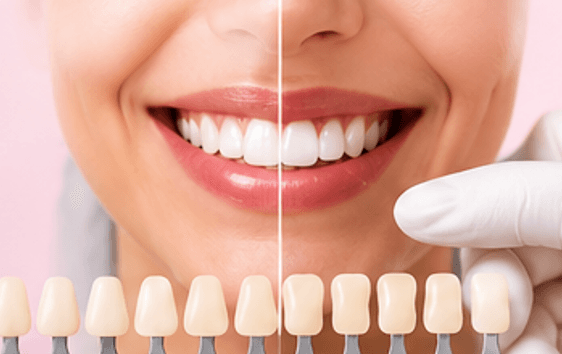
Before treatment, clinicians often record the starting shade with a standardized guide and clinical photographs under consistent lighting. That documentation helps compare results after colour stabilises, usually several days after the last active bleaching session. Immediate post-treatment colour can look artificially bright because enamel dehydrates slightly; reassessment a week later gives a fairer picture.
Photographs also show existing restorations that will not change with gel. Pointing those out before you pay for whitening prevents disappointment when a front composite filling stays darker than newly bleached enamel. If only the natural teeth need lightening and one restoration is visible, the plan may include replacing that restoration after shade stabilises.
Shade guides are tools, not guarantees. Enamel translucency at the edges of teeth, gum colour, and lip line all influence how white a smile appears in conversation. Discussing a target that looks plausible in room light—not only under operatory lamps—keeps expectations grounded.
How whitening fits a broader cosmetic plan
Some people whiten before Orthodontics or Clear Aligners (Invisalign) so attachments and elastics sit on cleaner enamel, though attachments themselves are not bleached. Others wait until alignment finishes so shade is uniform along the new arch.
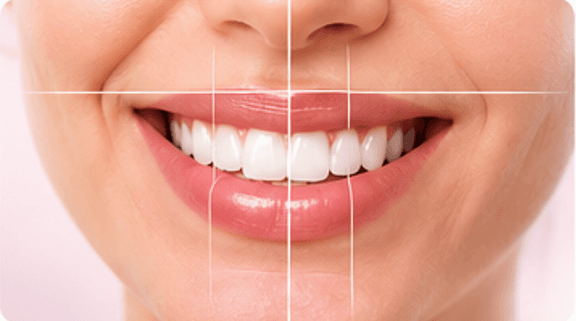
Cosmetic Dentistry consultations often include digital shade guides, photographs, and discussion of how many teeth show when you smile. The aim is a natural appearance relative to skin tone and eye whites, not the single brightest tab on a shade guide.
If you also consider implants or bridges for Missing Teeth, final ceramic shades are chosen to match surrounding teeth at that time. Whitening is usually stabilised first so the prosthetic colour does not look too dark soon after delivery.
Frequently Asked Questions
- How long do professional whitening results last?
- Duration depends on diet, smoking, oral hygiene, and your natural enamel. Many people enjoy a lighter shade for months to a few years before gradual darkening. Touch-up trays or occasional in-office refresh can extend the result. Staining foods accelerate return toward baseline.
- Will whitening lighten my crowns or fillings?
- No. Ceramic and composite restorations do not change colour with peroxide gel the way natural enamel can. If front restorations were matched to a darker tooth, they may look conspicuous after bleaching. Plan shade with your dentist before new work, or discuss replacing visible restorations after colour stabilises.
- Is sensitivity after whitening normal?
- Temporary cold sensitivity during and for a few days after treatment is common and usually resolves. Use desensitising products as directed and inform your dentist if pain is severe or persistent. Sharp spontaneous pain may indicate a problem other than whitening and should be examined.
- Is a scale and polish the same as whitening?
- Cleaning removes tartar and extrinsic stain, revealing your current natural colour. Whitening chemically lightens enamel beyond what polishing alone achieves. Many people benefit from cleaning first so gel contacts enamel evenly. Neither replaces treatment for Cavities / Tooth Decay or gum disease.
- Can professional whitening fix grey or banded teeth?
- Some intrinsic stains lighten partially; others respond poorly. Trauma-darkened teeth need nerve vitality assessment. Tetracycline banding may require extended protocols or restorative options if bleaching plateaus. A dentist can estimate likelihood after examining your specific pattern.
- Are store-bought strips as effective as professional trays?
- Strips can help mild surface stain for some users but cover teeth unevenly and use lower, less controlled exposure. Custom trays deliver gel precisely and allow professional strength adjustment. Overuse of retail products can irritate gums. Suitability depends on stain type and sensitivity.
- Should I whiten before or after new veneers or bonding?
- Often whiten first, wait for colour to stabilise, then match new restorations to the lighter shade. Doing restorative work first then whitening can leave older work looking dark. Your clinician will sequence steps based on your full plan.
- Who might be advised to avoid or delay whitening?
- People with untreated decay, active gum infection, uncontrolled sensitivity, certain pregnancy circumstances, or restorations that would create unacceptable mismatch may defer or modify treatment. Medical conditions and medicines are reviewed individually. A check-up clarifies whether elective bleaching is appropriate now.
- Is professional whitening appropriate for teenagers?
- Elective full-arch bleaching in young teens is often deferred until permanent teeth are fully erupted and pulp chambers have matured, except when a dentist treats a specific discoloured tooth with a tailored plan. Parental consent, hygiene status, and whether decay is controlled all factor in. Over-the-counter misuse in adolescence is a common reason clinicians prefer supervised care when whitening is considered.