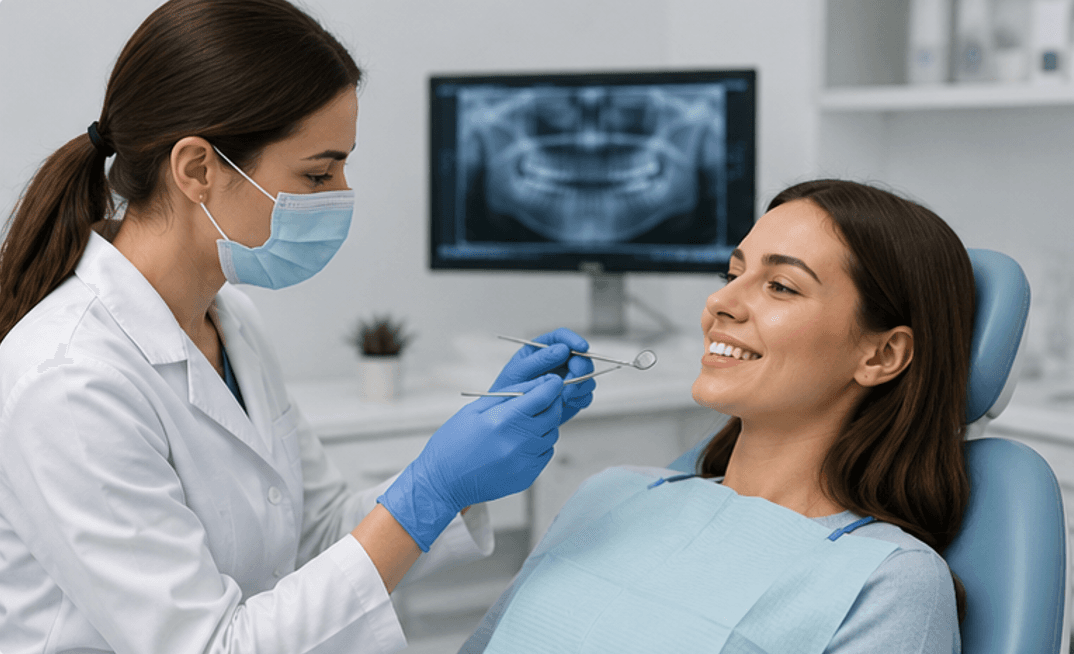
Most people book a dental visit when something hurts. That habit is understandable, but many common problems—early decay between teeth, early bone loss from gum infection, a small crack, a leaking old filling—produce little or no pain for months. By the time a tooth throbs at night, the list of possible treatments is often longer and costlier than it would have been at a routine exam. Regular check-ups are not a loyalty scheme for clinics; they are structured intervals where a dentist can see surfaces you cannot, compare changes over time, and remove hardened plaque that home brushing misses. Preventive visits through general dentistry help catch quiet problems early—especially for children, adults, and anyone at higher risk of cavities or gum disease—by combining examination, cleaning, and radiographs when they are useful.
Related conditions and treatments that patients often ask about include Cavities / Tooth Decay, Gum Disease, Bleeding Gums, Tooth Pain, General Dentistry, Gum Treatment, Pediatric Dentistry, Teeth Whitening and Cosmetic Dentistry.
Silent disease is the norm, not the exception
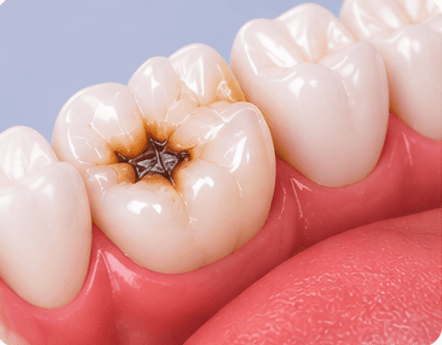
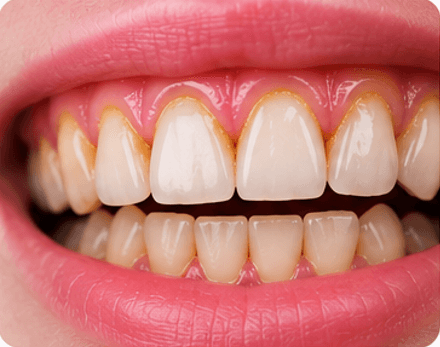
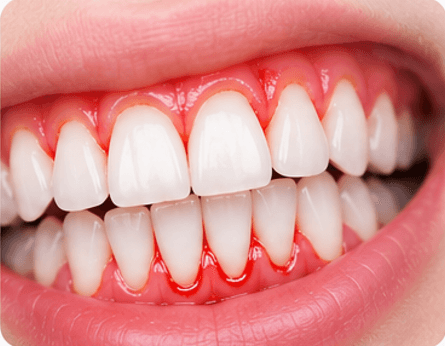
Enamel decay and early gum inflammation rarely announce themselves with dramatic pain. A lesion forming in the contact point between two molars may be invisible in the bathroom mirror. Gingivitis can produce bleeding on brushing that people dismiss as brushing too hard rather than as tissue responding to plaque. Periodontitis—deeper gum infection with bone loss—can progress with only occasional tenderness until teeth loosen or abscesses appear.
Blood pressure and vision change without obvious symptoms until they are measured; mouths behave similarly. Dentists look for colour changes in enamel, soft spots, fracture lines, gum recession, pocket depths, and lymph nodes. Comparing today’s findings with notes from prior visits reveals whether a stain is stable or a groove is deepening. That longitudinal view is hard to replicate at home with a phone camera.
Waiting for pain also shifts psychology. Urgent visits focus on the loudest symptom. Preventive visits have space to discuss diet patterns, dry mouth from medicines, or whether an old sports guard still fits. Problems found early often need simpler care: a small filling instead of root canal, a scaling visit instead of surgery, fluoride varnish instead of extraction.
What a routine check-up usually includes
Exact steps vary by clinic and by your history, but a comprehensive recall visit commonly combines history updates, extra-oral and intra-oral examination, periodontal assessment, caries detection, and discussion of findings. You may be asked about medicines, medical conditions, tobacco use, and changes since the last visit—pregnancy, new diagnoses, or jaw pain matter to planning.
The clinical exam inspects lips, cheeks, tongue, floor of mouth, and palate for lumps, ulcers, or white or red patches that deserve follow-up. Each tooth is checked for decay, wear, mobility, and existing restorations. The dentist or hygienist may measure gum pockets with a probe—a gentle instrument that records depth in millimetres—and note bleeding, which signals inflammation.
A professional cleaning removes calcified plaque (tartar) above and below the gumline where brushes cannot reach. Polishing removes some surface stain but is not a substitute for cleaning. Fluoride application may be offered when decay risk is elevated. If you wear removable dentures or partials, those are inspected for fit and tissue irritation underneath.
- Medical and dental history review
- Soft-tissue check of lips, cheeks, tongue, and floor of mouth (opportunistic exam for unusual patches or lumps)
- Tooth-by-tooth check for decay, cracks, and wear
- Gum pocket charting when gum health is in question
- Scaling and polishing to remove tartar
- Personalised advice on brushing, flossing, and diet
The role of dental radiographs
Visual exams cannot see through enamel contacts or inside bone. Bitewing X-rays show decay between teeth and bone levels around back teeth. Periapical images focus on one tooth’s root and surrounding bone when a specific problem is suspected. Panoramic radiographs give a wide view useful for wisdom teeth, jaw development in teens, or general survey when indicated.
Radiographs are chosen based on benefit versus exposure, not as a blanket ritual every six months for everyone. Guidelines suggest intervals tied to decay and gum risk: some low-risk adults may go several years between bitewings if mouths stay stable; higher-risk patients may need them more often. Pregnancy does not automatically forbid dental X-rays when shielding and indication are appropriate; untreated dental infection carries its own concerns.
If you worry about radiation, ask which images are recommended and why. Modern digital sensors use small doses compared with older film, and lead aprons shield the body. Declining needed imaging can mean missing interproximal decay until it reaches the nerve. The goal is the minimum set of images that answers clinical questions—not a stack of films for appearance.
Professional cleaning versus home hygiene
Daily brushing and interdental cleaning remove soft plaque before it hardens. Once tartar forms, only instruments in trained hands remove it without damaging enamel or gum. Hygienists scale with ultrasonic and hand tools, then smooth root surfaces in deeper pockets when gum disease is present. That mechanical disruption lowers bacterial load and gives inflamed gums a chance to heal if you maintain home care afterward.
Cleaning visits do not whiten teeth permanently or replace flossing the other 364 days. They reset the baseline so your brush can keep plaque thin. People with bleeding gums often notice improvement after professional cleaning combined with better interdental technique; if bleeding persists, deeper gum therapy may be discussed under gum treatment.
Stain from tea, coffee, or smoking may lighten after polishing but can return if habits stay the same. Cosmetic concerns like tooth stains may overlap with preventive visits; whitening through teeth whitening is a separate conversation once gums and cavities are stable.
How often should you attend?
There is no single calendar that fits every mouth. Many dentists suggest recall intervals of six to twelve months for adults with stable gums and low decay rates. Shorter intervals—three to four months—may suit people with active periodontitis, rapid decay history, dry mouth, or medical conditions that affect healing. Children in pediatric dentistry often see the dentist every six months while teeth erupt and habits form, though individual risk adjusts that.
Orthodontic patients may have exams woven into adjustment visits, but those checks focus on braces or aligners; they do not always replace a full periodontal assessment. If you have implants, crowns, or bridges, components still need inspection for loosening, cement washout, or gum inflammation around margins.
Life gaps happen—moving cities, financial pressure, fear. When you return after years away, expect a longer first visit to re-establish baseline X-rays and charting. Honesty about gaps helps the team prioritise: active infection before elective cosmetic work, for example.
Prevention beyond the chair
Check-ups work best when they connect to daily habits. Dentists may demonstrate floss or interdental brushes around crowded teeth, recommend fluoride toothpaste strength, or discuss how often you sip sweet drinks. Sealants on children's permanent molars block grooves where decay starts. Adults with dry mouth may receive prescription fluoride gel or more frequent recalls.
Night guards for grinding protect restorations discovered at exam. Sports guards reduce damaged teeth from trauma. Tobacco cessation counselling fits preventive care because smoking worsens gum healing and oral cancer risk. None of these messages require fear tactics; they are practical responses to findings.
Linking mouth health to general health is fair without overstating. Gum inflammation may associate with certain systemic conditions in research; treating gum disease improves oral comfort and may support overall care plans your physician coordinates. Dental teams do not diagnose diabetes from gums alone, but they may encourage medical follow-up when classic signs appear.
What check-ups cannot promise
Regular visits lower risk; they do not guarantee zero problems. A crack from biting an unexpected stone can happen the week after a clean bill of health. Some people develop decay quickly despite good hygiene because of saliva composition or medical treatments. Others have genetically thin gum tissue that recedes even with careful brushing.
Check-ups also should not feel like sales pitches. You can ask why a procedure is recommended, what happens if it is deferred, and whether alternatives exist. Preventive philosophy includes watchful waiting on tiny enamel lesions that might remineralise with fluoride and diet change. Ethical dentistry explains options in plain language rather than pushing treatment lists.
If anxiety keeps you away, mention it early. Short appointments, breaks, or phased treatment may help you stay on recall so small issues do not snowball. Sedation options vary by clinic and medical suitability.
Children, teens, and first visits
The first dental experiences shape long-term attendance. A child’s visit may focus on counting teeth, checking for early decay, and coaching parents on bottle habits and brushing assistance. The separate article when a child should first visit the dentist goes deeper into timing; check-ups thereafter track eruption of permanent teeth and whether orthodontic referral makes sense for misaligned teeth.
Teens with braces need extra hygiene coaching because brackets trap plaque. Aligner wearers must keep trays clean and teeth free of decay before starting clear aligners or fixed appliances. Regular exams during orthodontics catch white spot lesions early.
Connecting recall visits to the rest of your care
Findings at check-up steer specialty referrals when needed: orthodontics for bite issues, root canal treatment when pulp tests fail, oral surgery for impacted teeth. Blog readers exploring understanding tooth pain or bleeding gums causes often arrive after skipping recalls; rebuilding a schedule prevents repeat emergencies.
Keep a simple personal log: date of last cleaning, any X-rays taken, and treatments planned. Transferring records when you change dentists avoids repeating imaging unnecessarily. If a specific tooth was “watch,” ask at the next visit whether the lesion grew—continuity matters as much as the single appointment.
Frequently Asked Questions
- Do I need a check-up if my teeth feel fine?
- Feeling fine is reassuring but not a full picture. Decay between teeth, early gum bone loss, and oral lesions can exist without pain. A routine exam looks where mirrors and floss do not reach and compares findings with prior visits. Many people who feel healthy still benefit from scheduled recalls based on their decay and gum risk.
- How often should bitewing X-rays be taken?
- Intervals depend on individual risk, not a fixed rule for everyone. Adults with a history of frequent cavities or deep restorations may need bitewings every twelve to eighteen months. Low-risk adults with stable exams sometimes extend longer when a dentist documents that choice. If you change dentists, sharing previous images can prevent unnecessary repeats.
- Is professional cleaning necessary if I brush twice daily?
- Brushing removes soft plaque from reachable surfaces. Tartar that forms in spite of good habits—often near salivary glands or behind lower front teeth—requires professional instruments. Cleaning also lets the team inspect gums closely. Skipping cleanings for years can allow periodontitis to progress quietly until teeth loosen.
- Can a dentist tell if I have gum disease during a check-up?
- Yes. Bleeding on probing, pocket depths beyond normal limits, recession, and bone levels on X-rays together indicate gingivitis or periodontitis. Early gingivitis may reverse with improved home care and cleaning. Deeper disease needs structured gum treatment and sometimes more frequent maintenance visits.
- What if I am afraid of dental visits?
- Tell the receptionist and clinician when booking. Shorter initial exams, explanations before each step, and signal words to pause can help. Some clinics offer sedation for anxious patients when medically appropriate. Avoiding care entirely tends to increase the complexity of eventual treatment, which reinforces fear—a gradual return on your terms is often workable.
- Does insurance or cost determine how often I should go?
- Insurance plans may pay for two cleanings a year, but your mouth’s needs might differ. Higher gum risk can justify three or four maintenance visits even if only two are reimbursed. Discuss priorities with your dentist: preventing disease usually costs less over time than treating abscesses and tooth loss, but payment plans vary by region and clinic.
- Are check-ups different during pregnancy?
- Pregnancy itself does not mean skipping dental care. Hormonal changes can increase gum inflammation, and untreated infection is worth addressing. Routine cleanings and needed fillings are often performed; X-rays are used only when benefits outweigh risks, typically with shielding. Inform the team if you are pregnant so positioning and medication choices are appropriate.
- What happens if a small cavity is found early?
- Very early enamel lesions might be monitored with fluoride and diet changes if the dentist documents demineralisation without a cavitated hole. Once decay breaks through enamel, a filling is usually recommended to stop progression. Catching that stage at a check-up often avoids root canal treatment later.
- Should I see a dentist if I wear full dentures?
- Yes. Denture wearers still need oral cancer screening, tissue checks under the denture, and assessment of fit. Bone shrinks over time; ill-fitting dentures cause sores and chewing problems. Even without natural teeth, periodic visits help catch mucosal changes early.
- How do check-ups relate to cosmetic treatments?
- Healthy gums and stable decay status should come before elective whitening or veneers. A check-up confirms whether cosmetic dentistry is safe to plan. Whitening with active cavities can hurt; veneers on inflamed gums may fail. Preventive stability makes cosmetic results last longer.