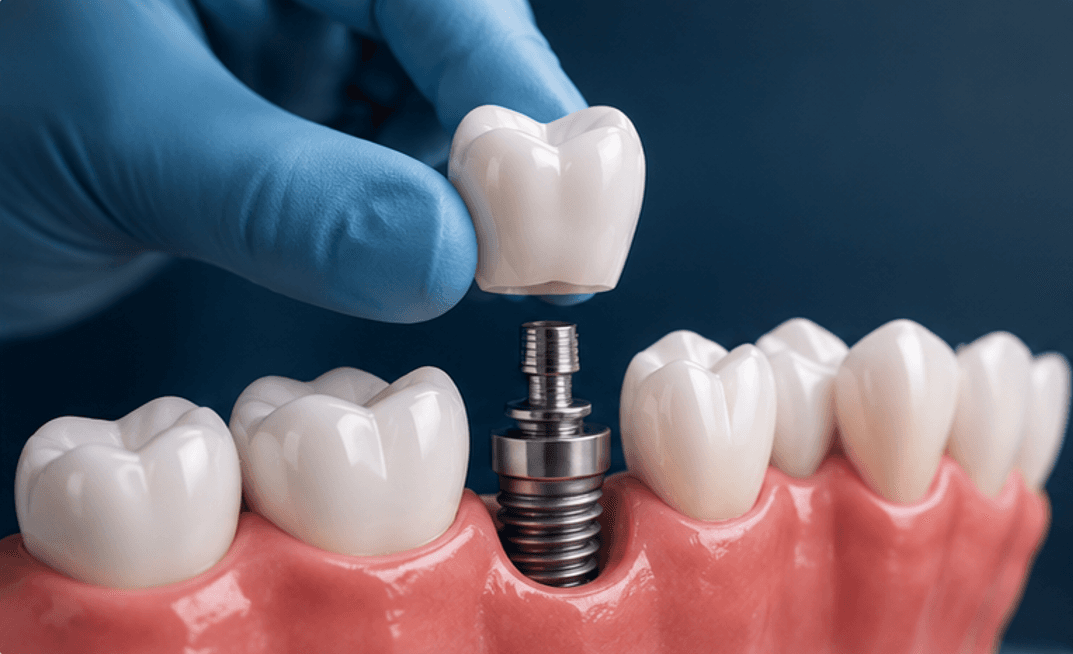
A dental implant is a biocompatible fixture placed in the jawbone during Oral Surgery, left to integrate with bone, then connected to a crown, bridge, or attachment for a denture. It can restore chewing at a missing tooth site without relying on neighbouring teeth the way a conventional bridge does—but it does not happen in one casual visit, and it is not the right answer for every person with Missing Teeth. Candidacy depends on bone volume, gum health, medical history, and what you need the replacement to do when you chew and speak. Understanding the usual sequence, what healing feels like, how implants differ from bridges and removable dentures, and how daily cleaning around the gums and implant crown supports long-term tissue health helps you ask better questions before consenting. Any surgical procedure carries risks you should understand in measured language. If you are comparing options after extraction or years of living with a gap, pair this reading with What Happens During a Root Canal Treatment? when the question is whether a tooth could still be saved instead of replaced.
Related conditions and treatments that patients often ask about include Missing Teeth, Gum Disease, Damaged or Broken Teeth, Difficulty Chewing / Poor Bite, Dental Implants, Oral Surgery, General Dentistry and Gum Treatment.
What an implant actually replaces
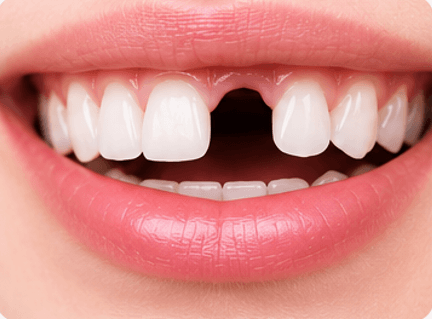
Natural teeth have a crown—the part you see—and a root anchored in bone. When a tooth is lost, both functions disappear: the visible shape for smiling and the root’s role in stabilizing bone and distributing bite force. A conventional bridge fills the visible gap by leaning on neighboring teeth. A partial denture rests on gums and may clip to remaining teeth. An implant-supported crown, by contrast, gains support from a fixture in bone rather than from trimming adjacent teeth.
The implant body is typically titanium or a ceramic material designed to allow bone to grow close against its surface. An abutment connects the implant to the final crown or other restoration. The crown is custom-made for colour, shape, and bite contacts. None of these parts is interchangeable with a natural tooth, but together they can restore chewing in a single site or anchor larger reconstructions when several teeth are missing.
Implants do not prevent all future dental problems. Neighboring teeth can still decay. Gums can still become inflamed if plaque is left at the gumline around the crown. Implants also do not move teeth orthodontically; if Misaligned Teeth or Difficulty Chewing / Poor Bite contributed to failure of a previous tooth, those forces may still need addressing through Orthodontics or bite adjustment as part of a broader plan.
Who may be a candidate—and who may need extra steps
Good candidates generally have adequate bone height and width at the planned site, gums free of active untreated disease, and medical conditions that allow routine healing. Smoking slows healing and raises complication rates; it does not always rule implants out, but clinicians take it seriously. Uncontrolled diabetes, certain bone-modifying medicines, and recent radiation to the jaws can change timing or suitability. None of these labels is automatic disqualification; they trigger deeper conversation and sometimes coordination with your physician.
When bone is thin or has resorbed after long-standing Missing Teeth, grafting or sinus-related procedures may be discussed to build a foundation. That adds months to the timeline but can make implant placement safer than placing a short implant in poor bone. If grafting is not acceptable to you, a bridge or denture may remain the more realistic path.
Age alone is rarely the deciding factor. Healthy older adults can heal implants when bone and medical status allow. Young people whose jaws are still growing are a different category; implants are usually deferred until growth is complete. Teeth grinding is not a ban, but it may influence design of the crown, use of a night guard, or choice of materials to reduce overload.
How planning begins
Planning starts with examination, not with a product brochure. The dentist reviews why the tooth was lost—decay, fracture, Gum Disease, trauma—and whether neighboring teeth are sound. Radiographs show bone shape; three-dimensional imaging is common when anatomy is close to sinuses or nerves. Models or digital scans help visualize how the new tooth should meet opposing teeth.
You should leave the planning visit understanding sequence: whether any remaining root needs extraction and healing first, whether grafting is likely, how long integration might take, and what temporary tooth you will wear meanwhile. Temporary options range from a removable flipper to a bonded provisional, depending on visibility of the gap and your comfort.
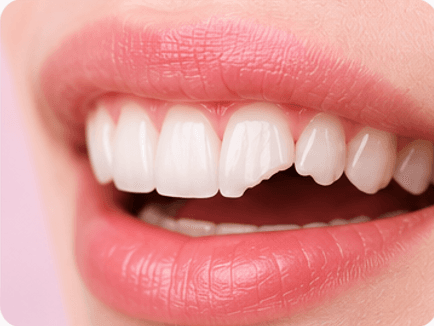
Medical history is part of safety. Blood thinners, bisphosphonates or other antiresorptive drugs, history of osteoradionecrosis, and immunosuppression each alter risk calculus. Honesty helps the team schedule surgery and aftercare appropriately. If you have Damaged or Broken Teeth elsewhere, stabilizing them before implant surgery reduces the chance that urgent problems interrupt healing.
The surgical visit and what happens in bone
Implant placement is performed under local anesthesia in many private practices; sedation may be offered where regulations and training allow. The clinician opens gum tissue when needed, prepares a precise osteotomy in bone, places the implant, and may cover it with a healing cap or bury it under gum depending on stability and aesthetic needs.
You may hear drilling sounds similar to other dental procedures. Water irrigation keeps bone from overheating. Sutures close soft tissue. Swelling and bruising vary by person and by how extensive the surgery was; simple single-site placement often causes modest symptoms compared with simultaneous grafting or multiple implants.
Immediate loading— attaching a crown right away— is possible in selected cases when implant stability at insertion is high. Many plans still favor a healing period without chewing force on the implant so bone can integrate undisturbed. Your surgeon should explain which approach fits your bone quality and bite, rather than treating speed as the only virtue.
Healing, integration, and the waiting period
Osseointegration is the process of bone closely contacting the implant surface. It typically unfolds over several weeks to a few months, depending on bone density, site, and whether graft material was used. During early healing, instructions focus on soft diet, gentle oral hygiene away from the site, and avoiding tobacco.
Pain is often manageable with prescribed or over-the-counter analgesics for a short window. Persistent throbbing, worsening swelling after the third day, or fever should prompt contact with the office. Antibiotics may be prescribed when infection risk is elevated; take them as directed if given, but do not assume antibiotics alone substitute for proper surgical care.
Second-stage surgery, when the implant was buried, exposes the top of the implant and attaches a healing abutment that shapes the gum. Not every case needs two surgical stages; one-stage protocols place a visible healing cap from the start. The theme is the same: let soft tissue and bone mature before the final crown bears full chewing load.
The restorative phase: abutment and crown
Once integration is confirmed— clinically and sometimes with an imaging check— an impression or digital scan captures the position of the implant. A laboratory fabricates the abutment and crown, or the team uses chairside workflows when appropriate. Contacts with neighboring teeth and the opposing tooth are adjusted so the implant does not take excessive force.
Colour matching for front teeth can require try-in appointments. Gum contour matters for a natural silhouette; temporary abutments sometimes sculpt the papilla before the final crown. Back teeth prioritize function and durability; aesthetics still matter but tolerances differ.
If multiple implants support a bridge or denture, the restorative phase is more complex. Attachments for removable overdentures need retentive clips or bars that patients learn to insert and remove. Fixed hybrid designs stay in place but demand meticulous cleaning underneath. Dental Implants pages on a clinic site cannot replace the instruction you receive for your specific design.
Comparing implants, bridges, and dentures in plain terms
A traditional bridge replaces one or a few teeth by crowning teeth on either side of the gap and suspending a pontic between them. It can work well when those abutment teeth already need crowns, but it sacrifices enamel on otherwise healthy neighbors. Cleaning under a pontic requires floss threaders or small brushes.
Removable partial dentures are less invasive surgically and cost less upfront in many settings, but they move slightly during function and transfer force to gums and clips. Full dentures replace entire arches when no teeth remain. They rely on suction, muscle control, and sometimes adhesives. Bone continues to remodel under dentures, which is why fit changes over years.
Implants add surgical time and healing but avoid preparing adjacent teeth for a bridge and can improve stability compared with a loose denture. They require enough bone and ongoing hygiene. No option is universally superior; the comparison is about your anatomy, habits, budget tolerance, and willingness to undergo surgery. Braces vs Clear Aligners: Understanding Your Options is unrelated surgically but relevant if tooth position must change before restorative space is ideal.
Maintenance and long-term care
Implant crowns should be brushed like teeth, with attention to the gumline where plaque collects. Interdental brushes or floss designed for implants help clean around abutments. Professional cleanings remain important; hygienists use instruments that will not scratch implant surfaces.
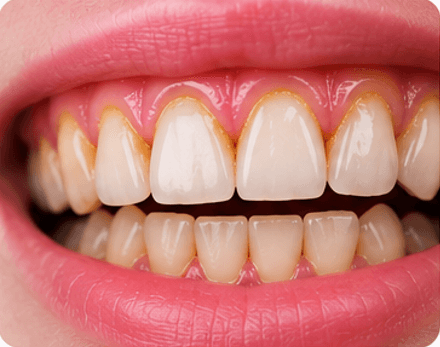
Inflammation around an implant— sometimes called peri-implant mucositis or, if bone is involved, peri-implantitis— can threaten stability much as gum disease threatens teeth. Bleeding on probing is a warning, not a cosmetic issue. If you already manage Bleeding Gums or past Gum Disease, tell the team so maintenance intervals reflect that history.
Night guards may protect implant crowns if you clench. Hard foods and habits like opening packages with teeth are poor ideas regardless of restoration type. How Often Should You Really Brush and Floss? reinforces home habits that support both natural teeth and replacements.
Risks and complications without alarm
Any surgery can bring bleeding, bruising, infection, or delayed healing. Nerve injury causing numbness in lip or chin is rare but serious when lower molars sit near the mandibular canal; imaging and surgical technique aim to prevent it. Sinus membrane perforation is a consideration for upper back implants; grafts and careful approach reduce incidence.
Implant failure— loss of integration— can happen early or years later, often linked to infection, overload, or smoking. A failed implant can sometimes be removed and replaced after healing, but not always in the same site without grafting. Fracture of components or loosening of screws occurs infrequently and is usually repairable if caught promptly.
These possibilities are reasons for informed consent, not reasons to assume failure. Many implants function quietly for years when placement, restoration, and hygiene align. Ask what warning signs should prompt you to call the office early rather than waiting for annual recall.
When implants are not the first conversation
If a painful tooth might still be saved, Root Canal Treatment and a crown could make implant discussion premature. If decay is active elsewhere, treating Cavities / Tooth Decay and stabilizing General Dentistry needs may come before elective implant placement. If bone loss is severe and grafting is declined, a well-made denture may serve better than a compromised implant.
Pediatric patients, people in the middle of active orthodontic treatment, and those unable to maintain hygiene may need alternative priorities. Pediatric Dentistry and orthodontic timing matter when young adults are missing congenitally absent teeth; space may be opened or closed deliberately before implants are planned in adulthood.
Financial and travel constraints are real life factors. Staged treatment spreads cost but lengthens time in temporaries. Understanding the full sequence upfront prevents surprise when the surgical phase finishes and the crown phase still lies ahead.
Frequently Asked Questions
- Is implant surgery very painful?
- Most patients report pressure and vibration during placement under local anesthesia, then soreness for several days managed with analgesics. Pain that escalates after the first few days or is accompanied by spreading swelling deserves prompt review. Fear of pain should be discussed before the day of surgery so expectations and pain control plans are clear.
- How long until I have a tooth I can chew on?
- Simple cases may allow a crown within a few months of placement. Grafting, sinus procedures, or infection control can extend the timeline toward half a year or longer. Immediate temporary teeth may be aesthetic only, not full chewing teeth. Your written plan should distinguish temporary from definitive restoration dates.
- Do I need a bone graft?
- Not everyone does. Grafting is discussed when imaging shows thin or short bone, when a socket is large after extraction, or when sinus floor height is insufficient for upper back implants. Alternatives include shorter implants in selected anatomy, different sites, or non-implant replacements if grafting is declined.
- Can I smoke if I have implants?
- Smoking impairs healing and is associated with higher failure and peri-implantitis rates. Some clinicians will not place implants until smoking is reduced or stopped for a period before and after surgery. If quitting is not realistic immediately, honest conversation helps set maintenance and risk expectations.
- Why choose an implant instead of a bridge?
- Implants avoid cutting down neighboring teeth that might otherwise stay untouched. Bridges can be faster when abutment teeth already need crowns. Hygiene differs: bridges need cleaning under pontics; implants need care at the gumline around a freestanding crown. Durability depends on execution and care for either option.
- I wear a denture now. Can implants help?
- Often, yes, in the form of overdentures clipped to two or more implants or fixed hybrid arches in full-mouth rehabilitation cases. Goals range from reducing denture movement during speech to converting to a fixed prosthesis. Bone volume and medical status still gate feasibility; not every denture wearer is a candidate for fixed full-arch solutions advertised online.
- Which medical conditions matter most?
- Uncontrolled diabetes, immunosuppression, anticoagulant therapy, bisphosphonate or antiresorptive drug use, and prior radiation to jaws each alter planning. Physicians may need to clear surgery or adjust medicines temporarily. A stable medical picture generally heals more predictably than acute illness layered on top of elective implant placement.
- What are signs of implant problems later?
- Bleeding, pus, increasing mobility, or discomfort when chewing around an implant crown should be evaluated. Sometimes problems are silent on X-rays until bone loss is advanced, which is why recall visits matter. Early mucositis can be reversed with cleaning; established bone loss is harder to manage.
- How soon after extraction can an implant be placed?
- Immediate placement happens when infection is controlled and bone is adequate. Delayed placement after socket healing is common when infection or bone defect was present. Your surgeon chooses timing based on risk of integration failure versus convenience. Rushing into infected sites rarely ends well.
- Are implants appropriate for teenagers?
- Usually not until jaw growth is complete, because an implant will not erupt with the rest of the dentition. Space maintainers, orthodontics, or temporary prosthetics may bridge the gap until adulthood. Congenitally missing teeth are managed with coordinated orthodontic and restorative plans rather than early implant placement.