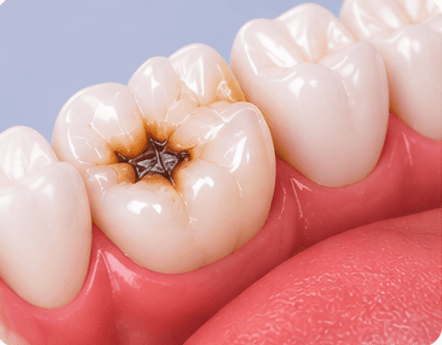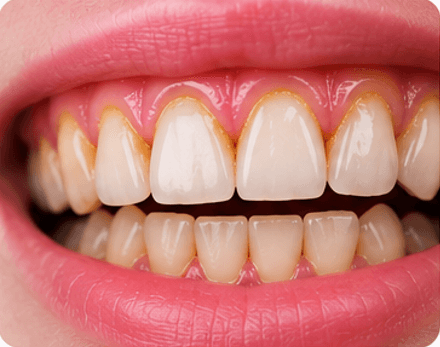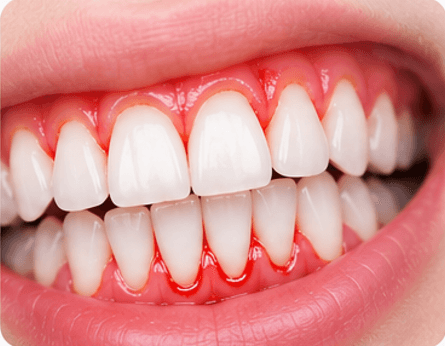
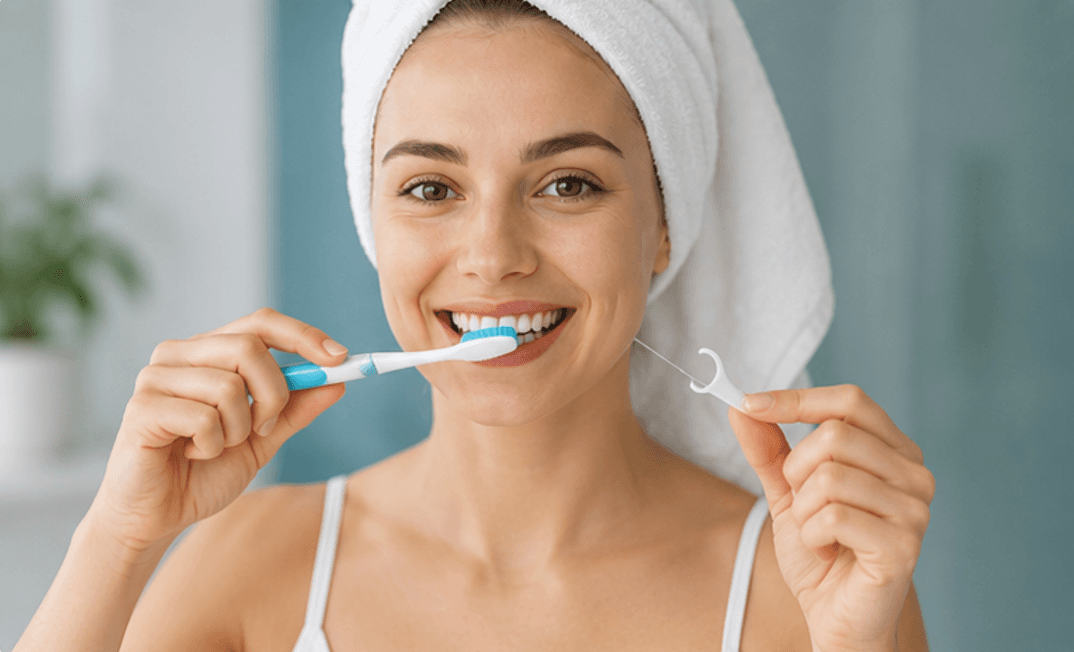
Ask ten people how often they should brush, and most will answer twice a day—yet many skip nights, rush through thirty seconds, or treat floss as optional until something bleeds. Frequency matters, but so do method, reach, and consistency. Plaque reforms within hours; it hardens into tartar in days where saliva pools. Brushing clears the broad surfaces; interdental cleaning addresses the contacts where cavities often start and where gum disease brews out of sight. Adults and children both benefit from habits that match how plaque actually forms—and from knowing when shortcuts fail, or when interdental brushes, water flossers, or fluoride products may help without turning hygiene into a product catalogue. For gum bleeding that persists despite improved technique, pair these habits with professional assessment discussed in bleeding gums: common causes and routine care in why regular check-ups matter.
Related conditions and treatments that patients often ask about include Cavities / Tooth Decay, Gum Disease, Bleeding Gums, Tooth Stains & Discoloration, General Dentistry, Gum Treatment, Pediatric Dentistry and Teeth Whitening.
The baseline: twice-daily brushing with fluoride
Major dental associations recommend brushing teeth twice daily with fluoride toothpaste for most people. Morning brushing removes overnight plaque buildup and freshens breath before eating; evening brushing matters more for decay prevention because saliva flow drops during sleep, leaving acids and bacteria on teeth longer. Brushing after every meal is not required for everyone and can be abrasive if done immediately after acidic foods—rinsing with water and waiting thirty minutes before brushing may protect softened enamel.
Use a soft-bristled brush that fits your mouth. Hard bristles do not remove more plaque; they can wear gum and root surfaces. Electric brushes help some people maintain steady pressure and timer habits, but manual brushes work when technique is good. Replace heads or brushes when bristles splay, roughly every three months or sooner after illness.
Fluoride strengthens enamel and can reverse very early demineralisation. Use a pea-sized amount for adults; smear-sized for young children per product guidance to limit swallowing. Spit after brushing; rinsing with large amounts of water immediately may wash away concentrated fluoride—many dentists suggest spit-only unless you use a separate mouth rinse at a different time.
Brushing technique that actually reaches plaque
Scrubbing back and forth across the fronts of teeth misses the gumline and chewing surfaces. Place bristles at a forty-five-degree angle toward the gums and use small circular or gentle vibrating motions. Clean outer surfaces, inner surfaces, and tops of molars. For inner fronts of upper and lower incisors, tilt the brush vertically and use gentle up-and-down strokes.
Divide the mouth into quadrants and spend roughly thirty seconds each—about two minutes total. Tongue brushing or scraping reduces bacteria that contribute to odour; it is optional but helpful for some. After orthodontic brackets or clear aligners, extra attention around attachments prevents white spots.
Pressure should feel massaging, not squashing. If gums recede or notches appear at the necks of teeth, you may be brushing too hard. Some electric brushes have pressure sensors; otherwise, hold the handle with fingertips rather than a fist.
- Angle bristles toward the gumline at about forty-five degrees
- Move systematically so no sextant of the mouth is skipped
- Brush chewing surfaces with back-and-forth strokes on grooves
- Include inner surfaces of lower front teeth—a common miss
- Spit excess paste; avoid aggressive rinsing right after brushing
Flossing frequency and why once daily is the target
Interdental cleaning once daily disrupts plaque between teeth where brush bristles cannot pass. Timing is flexible: before bed, after lunch, or linked to shower routine—consistency beats perfection. Skipping floss for weeks then forcing floss into inflamed gums often causes pain and discourages the habit. Gentle daily passes keep tissue healthier and bleeding less over time.
Break off enough floss to use a clean segment per tooth—about eighteen inches wrapped with guided fingers. Slide between contacts without snapping down on gum. Curve floss in a C-shape around each tooth and move under the gumline slightly on both sides of the contact. If spaces are tight, waxed floss or flat tape may glide easier.
Bleeding on first days after a long break can occur if gingivitis is present. Continue gently for a week or two while improving technique; if bleeding gums persist, a dental exam rules out tartar below the gum or periodontitis needing gum treatment. Floss does not cause healthy gums to bleed routinely.
When floss is not the only option
Interdental brushes sized to fit each gap can be faster for open contacts, bridges, or braces. Choose the largest brush that enters without force—too large hurts; too small cleans poorly. Insert from the cheek or tongue side and rinse brushes after use.
Water flossers spray pulsating water to flush food and loose plaque. They help around implants, braces, and dexterity issues but may not fully replace mechanical scraping between tight teeth for everyone. Think of them as an adjunct, especially if floss handles are difficult because of arthritis.
Toothpicks and soft picks have limited roles; wooden wedges can splinter. Your dentist or hygienist can demonstrate aids after measuring your gaps at a check-up through general dentistry.
Myths about brushing harder, longer, or more often
Myth: brushing immediately after every sweet drink prevents all decay. Reality: frequency of sugar exposure matters more than brush count. Sipping soda over an afternoon bathes teeth in acid; one thorough night brush helps but does not erase hours of exposure. Rinse with water after snacks and limit sticky candies between meals.
Myth: mouthwash replaces floss. Antiseptic rinses may reduce bacteria temporarily but do not physically remove plaque biofilm between teeth. Fluoride rinses can add protection for high-risk patients when recommended, not as a stand-alone habit.
Myth: if gums bleed, stop flossing until they heal. Usually the opposite: plaque irritates tissue, and gentle daily cleaning plus professional tartar removal resolves many cases of gingivitis. Persistent bleeding warrants exam, not indefinite avoidance.
Myth: natural or charcoal toothpaste is always safer. Abrasive charcoals can wear enamel; fluoride remains the proven decay fighter for most people. Discuss alternatives if you have fluoride sensitivity concerns, but do not drop fluoride without a plan.
Toothpaste choices and fluoride for different ages
Standard family fluoride toothpaste suits most adults. Sensitive formulas with potassium nitrate or stannous fluoride may ease root sensitivity after gum recession—give them several weeks before judging. Prescription high-fluoride paste may be advised for rampant decay risk or dry mouth.
Children under three typically use a smear of fluoride paste with supervision to minimise swallowing. From about three to six, a pea-sized amount is common guidance. Teach spitting early. Fluoride varnish applied at dental visits adds protection for kids prone to early childhood caries.
Whitening toothpastes remove surface stain with extra abrasives or mild chemical agents; they do not replace professional teeth whitening for deeper colour change and can irritate sensitive teeth if overused.
Children: supervision, timing, and motivation
Until fine motor skills develop—often around age seven or eight—parents brush for children and then let them practice. Twice daily still applies. Night brushing is critical when milk or formula was once bedtime comfort; decay in primary teeth can affect permanent successors.
Timers, songs, and apps gamify two minutes without needing fancy gadgets. Pediatric dentistry visits reinforce messages so parents are not the only voice. When permanent molars erupt, sealants may be recommended to shield grooves.
Teens may slack during exams season; keep spare brushes in school bags for breath confidence after lunch, but do not over-brush abrasively before social events. Orthodontic patients need threaders or interdental brushes—standard floss alone may not suffice.
Special situations: braces, implants, and dry mouth
Brackets and wires trap plaque around attachments. Brush after meals when possible, use interdental brushes, and follow orthodontist hygiene instructions. Decalcified white spots are scars from poor cleaning during treatment—not inevitable if hygiene stays strong.
Implants and bridges need cleaning at the gum margin where peri-implantitis can develop. Floss threaders, super floss, or water flossers help navigate under connectors. Regular maintenance visits inspect screw-retained crowns and tissue colour.
Dry mouth from medicines or mouth breathing reduces natural cleansing. Sip water, consider sugar-free gum with xylitol if tolerated, and ask about fluoride gel or more frequent recalls. Without saliva, even diligent brushing may not keep pace with decay risk.
Linking daily habits to long-term outcomes
Good hygiene lowers probability of cavities and gum disease but does not eliminate need for professional care. Tartar still forms; cracks and oral lesions still need eyes and instruments. Pair home care with exams described in regular check-ups and respond early to tooth pain rather than masking it.
Track your weak spots: maybe lower insides or far back molars. Spend an extra ten seconds there daily. Change habits when life shifts—new medication, pregnancy, or starting aligners. Hygiene is maintenance for living tissue, not a finish line.
Building a routine that survives busy weeks
Hygiene fails when it depends on perfect conditions. Link brushing to fixed anchors—after breakfast and before bed—rather than to vague intentions. Keep a spare brush at work if you eat lunch away from home, but use it gently; an extra midday brush is optional, not mandatory. Travel kits with mini paste and floss prevent multi-day gaps that let tartar start on lower front teeth.
If you forget one night, brush and floss the next morning without doubling abrasively to compensate. Guilt-driven scrubbing harms gums. Set a phone reminder for two weeks when establishing floss habit; most people need repetition before interdental cleaning feels automatic. Partners or housemates can remind each other without policing—shared accountability helps children and adults alike.
Shift workers with irregular sleep may brush before their main sleep period rather than chasing clock time that does not match their body rhythm. The principle remains: clean teeth before a long stretch with low saliva and no food clearance. Athletes who use sports drinks should rinse with water after training; the drinks are acidic and sugary, and brushing immediately afterward can wear enamel that softened during exercise.
Older adults with arthritis may benefit from thicker brush handles, electric brushes, or floss holders that reduce fine finger dexterity demands. Caregivers brushing for someone with dementia should use gentle strokes and watch for swallowing paste. None of these adjustments change the core targets: fluoride twice daily and interdental cleaning once daily when possible.
Frequently Asked Questions
- Is brushing once a day ever enough?
- Once daily removes some plaque but leaves long stretches—especially overnight—when bacteria metabolise sugars. Most dentists advise twice daily for adults. If illness or travel disrupts routine, resume twice daily as soon as possible rather than accepting once as a new normal.
- Should I floss before or after brushing?
- Either order can work if both happen. Flossing first may loosen debris that brushing then clears; brushing first leaves teeth feeling clean before interdental work. Pick the sequence you will repeat daily. The critical part is cleaning between teeth, not the exact minute order.
- Can I brush too much?
- Yes. Brushing many times a day with heavy pressure—especially right after acidic drinks—can wear enamel and irritate gums. Twice daily with good technique satisfies most people. If you want freshness after lunch, rinse with water or chew sugar-free gum instead of a third abrasive brush.
- Are electric toothbrushes better than manual?
- Studies show many electric brushes, especially oscillating-rotating models, reduce plaque slightly more for average users. Manual brushes remain effective with two-minute timed brushing and proper angles. Choose the tool you will use consistently; technique and frequency matter more than brand alone.
- What if floss keeps shredding between certain teeth?
- Shredding may mean a tight contact, a rough filling margin, or a hidden cavity. Mention it at your next visit so the dentist can polish an edge or investigate decay. Glide floss or tape may help temporarily, but repeated shredding deserves an exam.
- Do I need to brush baby teeth that will fall out anyway?
- Yes. Decay in primary teeth can hurt, infect, and affect spacing for adult teeth. Start cleaning as soon as teeth appear—wiping with cloth before brush size fits. Cavities in baby molars are common when bedtime bottles contain milk or juice.
- How does diet interact with brushing frequency?
- Every time you eat fermentable carbohydrates, acid attacks enamel for roughly twenty to forty minutes. Frequent snacking extends that window beyond what brushing twice can offset. Combine hygiene with limiting sugar frequency—not just amount—and drinking water with meals.
- Is sharing a toothbrush harmless within a family?
- Sharing transfers bacteria and viruses, including those that cause cavities and gum inflammation, and blood-borne germs if gums bleed. Each person should have a dedicated brush. Store brushes upright separated to air dry without touching heads.
- When should I use mouthwash?
- Use mouthwash when your dentist recommends a specific type—for example fluoride rinse for high decay risk or chlorhexidine for short-term gum treatment. Cosmetic fresh rinses do not replace brushing or flossing. Follow instructions on timing relative to toothpaste, as some ingredients inactivate each other.
- How long should I wait to brush after vomiting or reflux?
- Stomach acid softens enamel temporarily. Rinse with water or a dilute baking soda rinse if your clinician has suggested it, then wait about thirty minutes before brushing so you are not scrubbing weakened surfaces. If reflux is frequent, mention it at a dental visit; fluoride strategies and medical referral may both be appropriate. Brushing before bed still matters on days without reflux episodes.