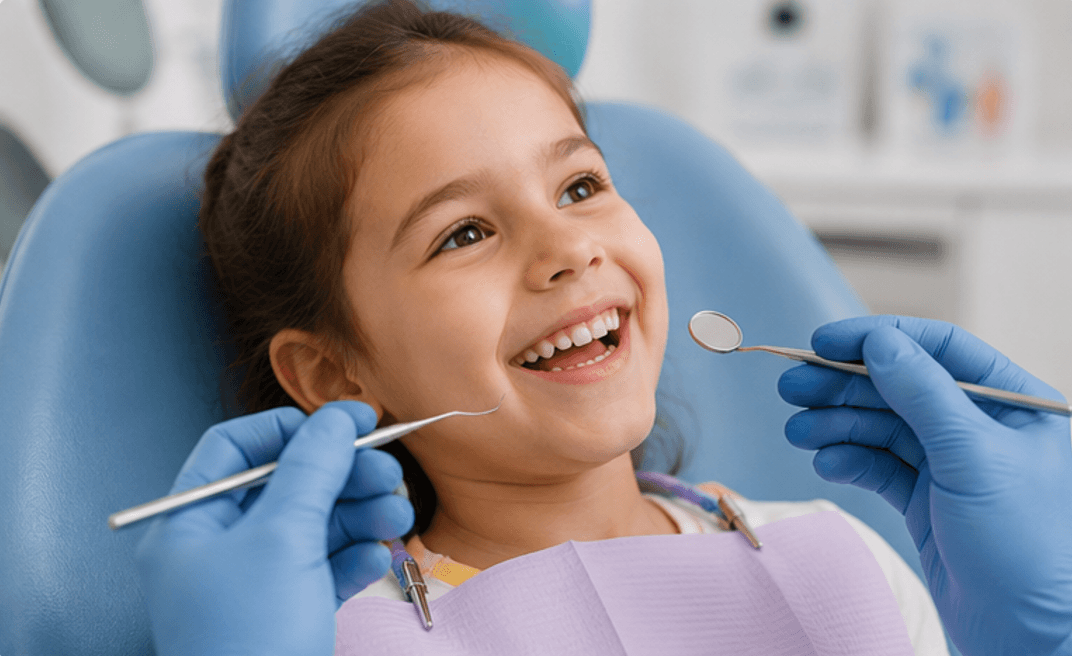
Parents often ask when a child should first see a dentist, and the answer is earlier than many expect. Professional groups commonly recommend a visit when the first tooth erupts or by the first birthday, whichever comes first. That early appointment is not about drilling or filling; it is brief and preventive—counting teeth, checking how the jaws are developing, and giving caregivers practical guidance on cleaning, diet, and habits. Baby teeth matter for chewing, speech, and holding space for adult teeth. Cavities / Tooth Decay can appear in toddlers as soon as teeth are in the mouth, especially when bottles or sippy cups with sweet drinks are used at bedtime or grazed on through the day. Establishing a calm relationship with Pediatric Dentistry before there is pain makes later visits easier when treatment is needed. Knowing what to expect, how to prepare your child, and when to return helps that first visit feel useful rather than intimidating. This is general education; your child's clinician may adjust advice based on medical history, tooth eruption pattern, and local risk factors.
Related conditions and treatments that patients often ask about include Cavities / Tooth Decay, Pediatric Dentistry and General Dentistry.
Why the first year matters for oral health
Tooth decay is one of the most common chronic conditions in childhood. Early decay on front teeth—sometimes called early childhood caries—can progress quickly because enamel in young teeth is thinner. Pain and infection in preschool years affect eating, sleep, and concentration. Treating a very young child can require specialised behaviour management or general anaesthesia in severe cases, which everyone prefers to avoid through prevention.
The first dental visit creates a baseline. Clinicians record which teeth are present, look for white spot lesions that signal demineralisation, and assess lip ties, tongue mobility, or enamel defects that might affect feeding or cleaning. They also discuss fluoride use appropriate to age and local water supply, and whether any family history raises concern.
Delaying until school age often means the first appointment happens because of pain or visible holes. That first memory is then linked to discomfort. An earlier introductory visit when the mouth is healthy sets a different tone.
Timing: first tooth versus first birthday
If your infant's first tooth appears at six months, scheduling a visit within the following months aligns with common guidance. If no teeth are visible by twelve months, a visit is still reasonable to examine gums, discuss eruption timing, and review feeding habits. Late eruption can be normal variation, but paediatric dentists and general dentists trained in children can identify when investigation is warranted.
Some families only seek care when several teeth are present or when a child is two or three. That is not uncommon, but it may miss the window when preventive advice is most useful—before grazing habits solidify. If you are reading this and your child is older but has never been seen, the best time to start is still now.
Premature birth, medical complexity, or syndromes affecting enamel or saliva may prompt even earlier coordination with medical teams. Share your child's health history so dental visits fit the broader care plan.
- Plan a first visit by about age one or when the first tooth erupts
- No teeth by twelve months still warrants a discussion with a clinician
- It is never too late to begin regular dental care if visits were delayed
What typically happens at the first appointment
First visits in infancy and toddlerhood are usually short. The child may sit on a parent's lap while the dentist uses a knee-to-knee position to examine the mouth with a mirror and light. Radiographs are often not needed unless there is a specific concern. The focus is visual inspection, risk assessment, and conversation.
Topics commonly covered include how to wipe or brush new teeth, safe fluoride toothpaste amounts for age, avoiding prolonged bottle or breast feeding at sleep times if milk pools on teeth, pacifier and thumb habits, teething discomfort, and injury prevention as crawling and walking begin.
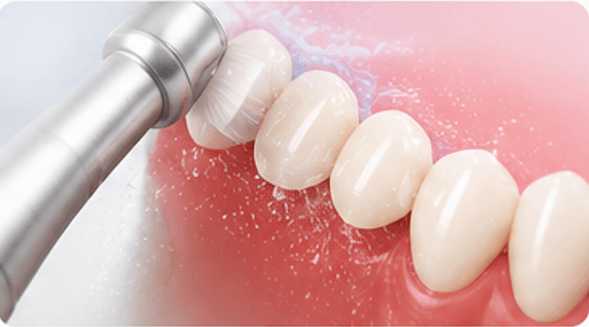
Older toddlers who cooperate may sit in the dental chair for a polish or fluoride varnish if indicated. There is no standard requirement that every child receive a procedure at visit one. The pace should match temperament. General Dentistry practices that welcome children may offer first visits; complex medical or behavioural needs may be referred to a specialist paediatric setting.
Preparing parents and children
Use plain language at home: the dentist counts teeth and helps keep them strong. Avoid words that imply punishment or pain. Reading simple picture books about dental visits can help preschoolers. Schedule appointments when your child is rested—not during usual nap time if that makes them irritable.
Bring a comfort toy if the office allows it. Parents stay calm; children read anxiety. If you have dental fears yourself, try not to transfer them through stories of negative experiences. One parent speaking positively about their own check-ups models better than detailed warnings.
Share with the team if your child has sensory sensitivities, developmental differences, or previous difficult medical encounters. Many offices adjust lighting, allow breaks, or use tell-show-do steps to build trust over multiple short visits.
Cleaning habits from the first tooth
Before teeth erupt, wiping gums with a soft cloth after feeds can become routine. When teeth appear, use a smear of fluoride toothpaste about the size of a grain of rice for under-threes, brushing twice daily. From about age three, a pea-sized amount is typical guidance in many countries, always with supervision to minimise swallowing.
Once adjacent teeth touch, cleaning between them with floss or an age-appropriate interdental tool becomes relevant. Molars often contact early in the preschool years. Help your child until they have the dexterity to tie shoes independently—usually around school age—for most children.
For broader hygiene context, How Often Should You Really Brush and Floss? applies to families as a whole: consistency matters more than perfect technique on day one. Your child's dentist can demonstrate positioning for wriggly toddlers.
Diet, bottles, and cavity risk
Frequent exposure to sugars fuels acid attacks on enamel. That includes not only sweets but repeated sips of juice, flavoured milk, or sweetened drinks between meals. Water is the best between-meal drink once weaning is established. If a bottle is used at sleep, water only is safer for teeth than milk pooling overnight—discuss weaning strategies with your clinician if that habit is entrenched.
Whole fruits are generally preferable to sticky dried fruits or constant grazing on crackers that lodge in grooves. Timing matters: dessert with a meal exposes teeth to acid less often than snacking every hour.
Fluoride strengthens enamel. Your dentist may recommend varnish applications in the office or discuss supplements if you live where drinking water is not fluoridated. Follow professional advice rather than combining multiple fluoride sources without guidance.
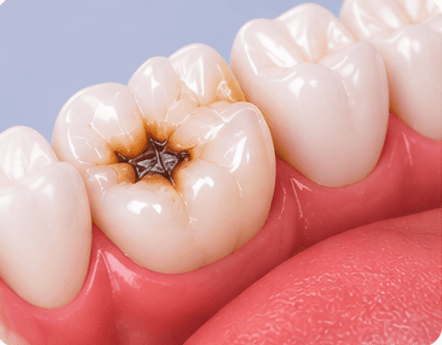
Parents sometimes hear that baby teeth do not matter because they fall out. That myth causes real harm. Untreated Cavities / Tooth Decay can mean pain, infection, poor sleep, and trouble eating. Early loss of baby molars can also shrink space for permanent teeth and complicate later Orthodontics. A first visit is a calm place to connect feeding routines with long-term mouth health without turning every meal into an argument.
If your child needs high-calorie supplements, frequent medical snacks, or thickened liquids, tell the dental team. They can suggest rinsing with water after feeds, choosing less sticky textures when possible, and scheduling professional fluoride more often when risk is higher. The goal is workable advice for your household, not a perfect textbook diet.
Pacifiers, thumbs, and emerging bite
Non-nutritive sucking is normal in infancy. Most children stop on their own between two and four years. Prolonged, intense habits can influence front tooth position or the shape of the palate in some cases. Gentle encouragement and praise for not sucking during awake times work better than harsh punishment.
If an open bite or crossbite is forming and the habit persists, orthodontic assessment later may be discussed—not necessarily treatment in toddlerhood, but monitoring. Misaligned Teeth and Difficulty Chewing / Poor Bite sometimes have roots in early habits, though genetics and jaw growth play large roles too.
Teeth grinding in young children is often noted during sleep and may be benign and self-limiting. Mention it at check-ups if you hear it nightly or if wear is visible.
How often to return and what to watch for
Many children attend every six months once a dental home is established. Higher caries risk—visible plaque, previous decay, special health care needs, or frequent sugars—may justify shorter intervals. Your dentist will suggest a recall based on examination, not a one-size schedule for every child.
Between visits, white chalky spots, brown stains, holes, sensitivity to cold, or swelling on the gum beside a tooth warrant an earlier appointment. Trauma from a fall onto furniture is common in toddlers; chips, bleeding, or a grey discoloured front tooth after a bump should be checked even if pain fades.
Why Regular Dental Check-Ups Matter Even When Your Teeth Feel Fine for adults applies to children too: problems can develop quietly. School-age children may receive additional preventive services such as sealants on permanent molars when those teeth fully erupt.
When specialist paediatric dentistry helps
Pediatric Dentistry specialists train in growth, development, behaviour guidance, and treating children with complex medical conditions. General dentists who see families may provide all routine care; referral is useful when extensive treatment is needed under sedation, when behaviour limits safe care, or when hospital-based dentistry is appropriate.
Children with heart conditions, bleeding disorders, or immune suppression need coordinated plans for antibiotics or timing of treatment. Bring medical letters and medication lists to dental appointments.
Orthodontic evaluation for crowding is usually later—often in the mixed dentition years—but early interceptive care is occasionally recommended for specific bite problems. That is distinct from the first preventive visit in infancy.
Building a positive long-term attitude
Children who see dental care as part of health—not as a consequence of misbehaviour—are more likely to continue check-ups as adults. Praise cooperation after visits. Avoid bribing with excessive sugar treats immediately after the clinic, which sends mixed messages about diet.
If treatment becomes necessary, ask the team to explain steps in child-friendly terms. Nitrous oxide, topical anaesthetic, or distraction techniques may be offered where appropriate. The goal is to treat disease while preserving trust.
Teen years bring new topics: wisdom teeth discussion, sports mouthguards, and sometimes Orthodontics or Clear Aligners (Invisalign). A continuous record from early childhood helps clinicians see patterns rather than meeting a stranger at age fifteen.
Frequently Asked Questions
- Should we still go if no teeth have appeared by the first birthday?
- Yes. A visit can review gum health, eruption timing, feeding and cleaning habits, and fluoride guidance. Most infants have at least some front teeth by twelve months, but variation is normal. The appointment is still useful if eruption is late.
- What if my toddler cries during the first visit?
- Crying is common and does not mean the visit failed. Short, calm examinations with a parent present are standard. Teams experienced in Pediatric Dentistry use pacing and praise. Sometimes a second short visit builds comfort better than forcing a long session.
- Will my baby need X-rays at the first visit?
- Usually not. Radiographs are selected based on clinical need, age, and risk—not as a routine for every first birthday visit. If there is trauma, suspected decay between tight teeth, or developmental concern, imaging may be discussed with explanation of benefits and minimisation of exposure.
- Is fluoride safe for toddlers?
- Age-appropriate amounts of fluoride toothpaste and professionally applied varnish are widely used to prevent Cavities / Tooth Decay. Swallowing large amounts of toothpaste should be avoided; use the smear or pea-sized amount your dentist recommends and supervise brushing. Discuss total fluoride sources if you use well water or supplements.
- Does breastfeeding at night cause cavities?
- Breast milk alone is less cariogenic than many sweet drinks, but on-demand feeding through the night can still allow milk to pool on teeth once they are present. Discuss your feeding pattern with your clinician without guilt; practical tweaks—wiping teeth after feeds, timing, or weaning strategies—can be tailored to your family.
- Should we see a paediatric specialist or a family dentist?
- Many family dentists provide excellent first visits for healthy infants. Specialists may be preferable for complex medical needs, extensive decay at a young age, or when behaviour or anxiety limits care. Ask locally who offers knee-to-knee exams and preventive focus for under-threes.
- We missed the first birthday visit. Is it too late?
- No. Schedule the first available appointment and bring your questions. Prevention still helps at three, five, or later. The visit will include age-appropriate examination and guidance for where your child is now, not only what might have been discussed in infancy.
- When do sealants on permanent teeth enter the picture?
- Sealants are applied to chewing surfaces of permanent molars once they have erupted enough—often around ages six and twelve—not at the infant first visit. Your dentist will mention them when those teeth appear and grooves are deep enough to benefit from sealing.