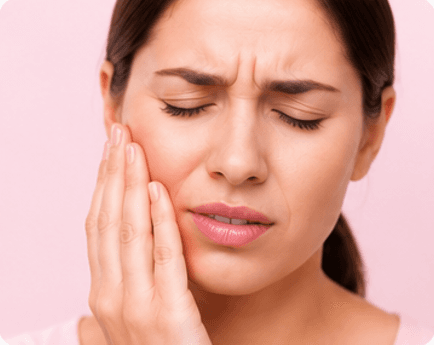
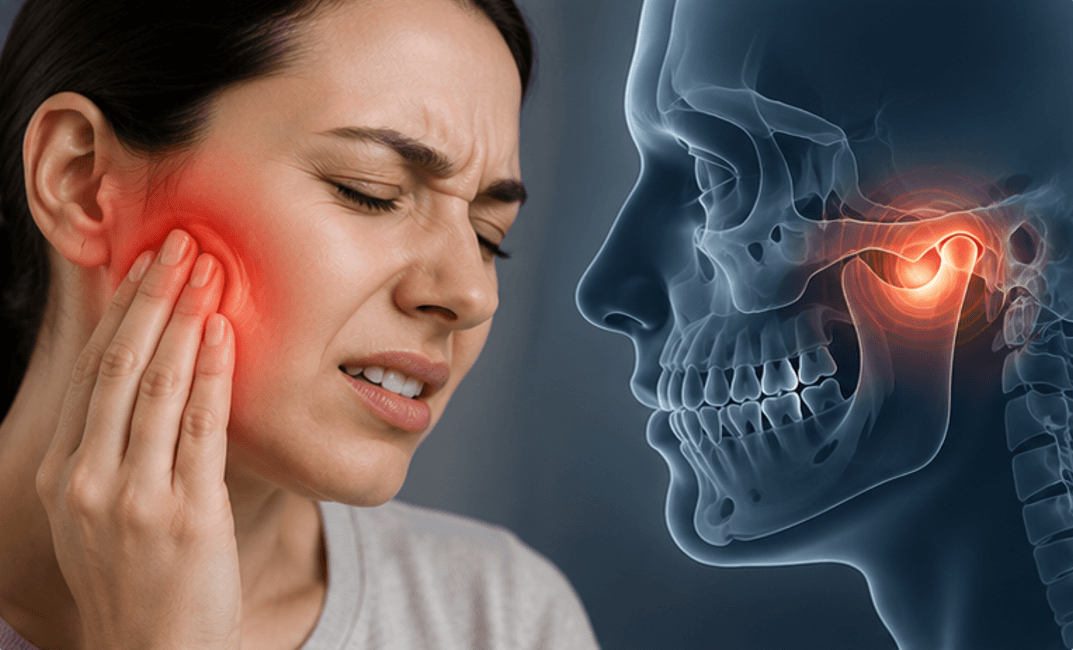
A click when you yawn, a dull ache near the ear after a long day, or a jaw that feels stuck for a moment when you bite into something—these are common complaints in dental clinics. The temporomandibular joints sit just in front of each ear and allow the lower jaw to hinge, glide, and rotate. Muscles around the joint control chewing, speaking, and posture of the head and neck. When people say “TMJ,” they usually mean discomfort involving that joint system, the muscles, or both. Not every sound from the jaw is a disease. Many adults have occasional clicking without pain or limited opening. Problems become worth sorting out when symptoms persist, interfere with eating, disturb sleep, or worsen over weeks. Jaw pain can also overlap with tooth pain, sinus pressure, or ear complaints, so guessing from a symptom list alone is unreliable. Knowing how muscle strain differs from joint issues—and what self-care can reasonably do at home—helps you decide when assessment, including TMJ and jaw disorder care, is appropriate. Bite and alignment can play a role, without treating orthodontics as an automatic cure for every click.
Related conditions and treatments that patients often ask about include Tooth Pain, Difficulty Chewing / Poor Bite, Misaligned Teeth, Damaged or Broken Teeth, TMJ / Jaw Disorder Treatment, General Dentistry, Orthodontics and Oral Surgery.
What the temporomandibular joint actually does
Each temporomandibular joint connects the mandible—the lower jaw—to the temporal bone of the skull. Between the bony surfaces sits a small disc of cartilage that helps the joint move smoothly when you open, close, and shift the jaw side to side. Opening wide for a dental exam, chewing tough food, and even certain speaking patterns all depend on coordinated muscle action and stable joint anatomy. Because the joint lies close to the ear canal, people often describe TMJ discomfort as earache even when the ear itself is healthy.
The joint does not work in isolation. Muscles such as the masseter and temporalis generate chewing force. Deeper muscles help with fine movements and posture. Tension in the neck and shoulders can influence how the jaw rests. That is one reason jaw problems are discussed as a “joint and muscle” system rather than as a single hinge that fails like a door.
In everyday language, TMJ has become a catch-all label for clicking, popping, locking, muscle tenderness, and headaches near the temples. Clinicians may use terms such as temporomandibular disorders (TMD) to describe a group of conditions with different causes. The practical point for patients is that a thorough assessment looks at joints, muscles, teeth, and habits—not only at whether a sound is audible when you open.
Jaw clicking and popping: when it matters
Clicking or popping often occurs when the articular disc moves slightly out of its usual path and then returns as the mouth opens or closes. Some people notice it for years without pain or restricted movement. In that setting, the sound can be an anatomical quirk rather than an emergency. What changes the conversation is pairing the click with pain, catching, increasing frequency of locking, or difficulty opening wide enough to eat comfortably.
A single loud pop after yawning may simply reflect a temporary shift in disc position or increased muscle tension from fatigue. Repeated locking—where the jaw seems stuck open or closed for seconds or minutes—deserves professional evaluation. True lock can be frightening; trying to force the jaw beyond comfort can aggravate muscles and joints.
It helps to note patterns. Does clicking happen only on one side? Is it worse in the morning, suggesting night-time clenching? Does it follow dental work or a period of chewing mostly on one side? Those details guide examination more than the sound alone. If you also have damaged teeth, worn edges, or recent fractures, the dentist will consider whether overload from the bite is part of the picture.
Muscle pain versus joint problems
Many jaw complaints are dominated by muscle pain. Clenching during stress, grinding during sleep, prolonged gum chewing, or holding the jaw tense while concentrating can leave the masseter and temporalis sore. The pain may feel like a deep ache in the cheek, temple, or side of the head. Muscles can also refer pain so that it seems to come from a tooth even when the tooth tests normal—another reason jaw and dental sources are examined together.
Joint-related symptoms may include clicking with a sense of grating, pain directly in front of the ear, or changes in how the jaw tracks when opening. Some people deviate to one side as they open—a sign the dentist observes during range-of-motion checks. Internal joint changes, such as disc displacement, arthritis in the joint surfaces, or injury from a blow to the chin, sit in this category. Muscle and joint problems often coexist; treatment plans usually address both rather than choosing a single label.
Headaches alone are not proof of a TMJ disorder. Migraine, tension headache, and cervical spine strain are common. Still, jaw muscle pain can trigger or amplify head pain, especially if clenching is frequent. A dentist may palpate muscles, listen to joint sounds, measure opening, and ask you to move the jaw in guided patterns. Imaging is not always required on the first visit but may be considered if trauma, persistent locking, or unusual swelling is present.
Teeth grinding, clenching, and tooth wear
Sleep bruxism—rhythmic grinding or clenching during sleep—and awake clenching are frequent companions of jaw muscle soreness. You may not know you grind until a partner mentions noise, or until a dentist notes flattening of cusps, micro-cracks, or sensitivity from enamel loss. Grinding does not always cause joint clicking, but it can increase muscle load and make an existing click more noticeable when tissues are inflamed.
Protective appliances are sometimes discussed when wear or muscle pain suggests heavy forces at night. That conversation belongs inside a broader plan: the appliance is not a stand-in for treating decay, stabilising a cracked tooth, or ignoring bite problems that suddenly changed after a high filling. General dentistry still covers the health of teeth and gums while jaw symptoms are managed.
Daytime habits matter too. Chewing ice, biting nails, leaning on the chin, or holding a phone between shoulder and jaw can keep muscles engaged for hours. Stress management is not a dental procedure, but recognising clenching triggers is part of realistic self-care. If tooth pain appears alongside jaw ache, read about understanding tooth pain so you can describe triggers accurately at the visit.
How bite and orthodontics relate—without overselling alignment
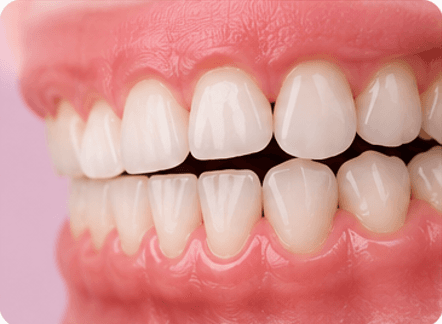
Malocclusion—a poor bite where teeth meet unevenly—can increase strain on certain teeth and muscles. A deep bite may drive the lower jaw backward; a crossbite may shift chewing to one side. Recent dental work that leaves a crown or filling high can create a focal point of force that muscles compensate for until they fatigue. Those patterns can contribute to discomfort, especially when combined with clenching.
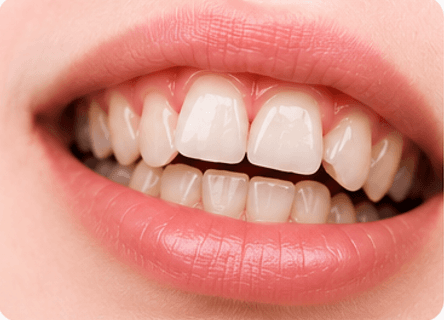
Misaligned teeth and jaw joint symptoms do not always travel together. Plenty of people with crowded or spaced teeth have quiet joints. Orthodontics with braces or aligners may improve how forces are distributed, but moving teeth is not automatically the first treatment for active joint pain. Many clinicians prefer to calm a flare—soft diet, jaw rest, muscle care—before elective tooth movement, because orthodontic forces themselves temporarily change how teeth meet.
If alignment is already planned for other reasons, tell your dentist about clicking or locking so the sequence can be discussed. Articles such as braces vs clear aligners compare appliances for straightening; they do not replace an exam for jaw symptoms. The honest goal is matching treatment to findings: sometimes a bite adjustment or equilibration of a high spot helps; sometimes a splint reduces muscle load; sometimes orthodontics waits.
Self-care that is reasonable at home
For mild muscle soreness without locking, swelling, or severe pain, conservative steps at home are often the first line. Eat softer foods for several days to reduce chewing demand. Avoid wide yawning, big sandwiches, and chewing gum until symptoms settle. Warm, moist heat on the cheek for ten to fifteen minutes can relax tight muscles; some people alternate with a cool pack if tissues feel inflamed. Over-the-counter pain relievers may ease discomfort short term if you have no medical reason to avoid them—follow label directions and ask a pharmacist if unsure.
Jaw rest is more than avoiding steak. It includes noticing when you clench during work and consciously letting the teeth part slightly, with the tongue resting gently behind the front teeth. Sleep position occasionally matters: sleeping on the stomach with the jaw pushed to one side can aggravate symptoms in susceptible people. Gentle stretching of the jaw—opening slowly within a comfortable range—may help some individuals, but aggressive self-manipulation is not advised, especially if locking has occurred.
Self-care has limits. It cannot diagnose a cracked tooth, treat an abscess, or confirm whether a disc is displaced. If symptoms improve within a week or two, continue gentle habits and consider a routine check if you are overdue. If they do not improve, or if new warning signs appear, schedule an examination rather than extending home experiments indefinitely.
When to seek dental or medical care
Book a dental visit when jaw pain lasts more than a couple of weeks, when opening is clearly limited compared with your usual, or when you experience repeated locking. Sudden inability to close after wide opening, significant swelling, fever, or trauma from a blow to the chin warrants prompt care. Worsening pain that wakes you from sleep, or pain that is steadily increasing despite rest, should not be dismissed as “just stress.”
Bring a concise history: when symptoms started, whether they are worse in the morning, any recent dental treatment, habits such as gum chewing, and whether you hear clicks on one or both sides. Mention ear symptoms, headaches, and neck pain so the clinician can consider related structures. If you take medications that affect joints or muscles, or if you have arthritis elsewhere, say so.
Dentists evaluate teeth, bite contacts, joint range, and muscle tenderness. They may refer to oral medicine specialists, physiotherapists, or physicians when sleep disorders, systemic arthritis, or nerve pain is suspected. Oral surgery enters the discussion only for selected structural problems—not as a default for every click. For clinic-based jaw care, see how TMJ and jaw disorder treatment is structured as assessment-led management rather than a one-size appliance.
What professional care may include
After examination, options depend on the dominant problem. Muscle-dominant cases often start with education, habit modification, short-term soft diet, and sometimes a stabilisation splint worn at night to reduce clenching intensity and protect teeth. Splints are custom when possible; over-the-counter boil-and-bite guards may help some people temporarily but can alter the bite unpredictably if used long term without guidance.
If a high restoration or shifting bite is identified, selective adjustment may be discussed. Physical therapy techniques, referral for cognitive behavioural strategies around pain, or short courses of anti-inflammatory medicines may appear in multidisciplinary plans. Imaging or referral to a maxillofacial specialist may be advised when joint disease, trauma, or persistent locking suggests internal joint changes that need more than conservative dental care alone.
Orthodontics or major bite reconstruction is rarely the immediate answer for acute joint pain. Restorative work on damaged teeth may run on a parallel track once pain is controlled. Regular dental check-ups help catch wear from grinding before teeth become emergencies. The measure of success is usually improved function and comfort over time, not the disappearance of every harmless click.
Frequently Asked Questions
- Is jaw clicking always a sign of TMJ disorder?
- No. Many people have intermittent clicking without pain or limited opening. Clicking becomes more relevant when it is paired with pain, catching, increasing locking, or difficulty eating. A dentist can help distinguish harmless noise from patterns that benefit from treatment.
- Can a toothache and jaw pain be related?
- Yes. A dying or infected tooth can refer pain to the jaw, and jaw muscles can mimic toothache when they are tight or inflamed. Examination and testing—cold sensitivity, biting, gum checks, imaging when needed—help separate dental pulp problems from muscle and joint sources.
- Does grinding at night cause TMJ clicking?
- Grinding and clenching increase muscle load and can make joint sounds more noticeable during flares, but not every grinder develops clicking, and not every click comes from grinding. A dentist may look for wear patterns on teeth and discuss protective strategies if forces are heavy.
- Should I stop chewing gum if my jaw clicks?
- If clicking or soreness flares with gum chewing, jaw rest—including avoiding gum—for a period is reasonable. If symptoms persist after you remove that habit, examination is worthwhile rather than assuming gum was the only cause.
- Will braces or aligners fix my jaw pain?
- Orthodontics can improve how teeth meet, but it is not guaranteed to eliminate joint sounds or muscle pain. Many clinicians stabilise symptoms first and plan tooth movement when the jaw is comfortable enough to tolerate forces. Suitability depends on examination, not on alignment photos alone.
- What is jaw locking, and is it an emergency?
- Locking means the jaw temporarily will not open or close fully. Brief episodes should be assessed soon, especially if they recur. Sudden trauma, severe swelling, or inability to eat or drink needs prompt professional care. Avoid forcing the jaw open beyond comfort.
- Are mouthguards the same as TMJ splints?
- Sports mouthguards and thin over-the-counter guards serve different purposes from a dentist-fitted stabilisation splint designed for clenching or joint muscle load. Material, thickness, and coverage affect the bite. Use the type recommended after evaluation rather than assuming any guard is interchangeable.
- When should I worry about ear pain with jaw symptoms?
- Ear pain with jaw movement often reflects joint or muscle referral, but true ear disease is possible. If you have hearing loss, drainage, fever, or ear pain unrelated to chewing, medical evaluation of the ear is appropriate alongside a dental jaw assessment.