Loud snoring, gasping during sleep, and waking unrefreshed are complaints people mention to dentists as often as to family doctors. Obstructive sleep apnea (OSA) is a medical condition in which the upper airway repeatedly narrows or closes during sleep, reducing airflow and disrupting sleep architecture. Habitual snoring can occur without OSA, but it can also be a companion sign when the airway is crowded. Dentistry has a defined role: custom oral appliances that reposition the jaw and tongue to help keep the airway more open—but that role sits beside, not instead of, medical diagnosis. A dentist can screen for risk, examine the mouth and jaws, and fabricate an appliance when a sleep physician agrees it is appropriate. A dentist does not, on their own, replace a sleep study for diagnosing OSA. Knowing how snoring differs from apnea, how oral appliances compare in concept with positive airway pressure (CPAP), who may be a candidate, and what side effects to watch for makes conversations with your care team clearer—especially when sleep apnea treatment in a dental setting is coordinated with general dentistry and, when needed, jaw joint assessment.
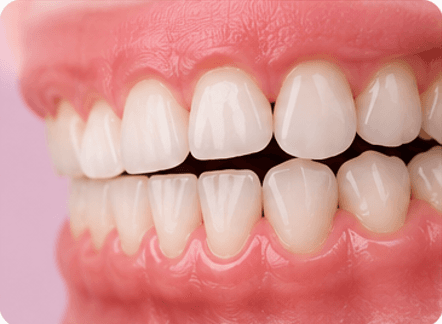
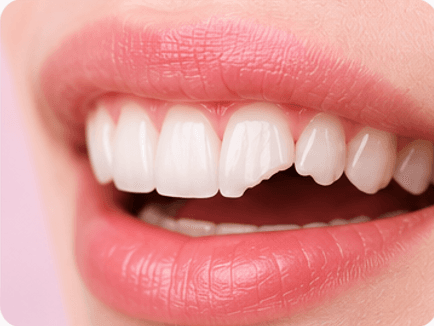
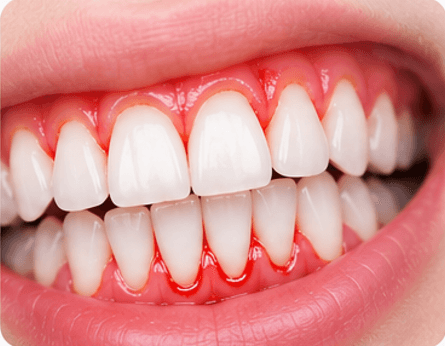
Related conditions and treatments that patients often ask about include Difficulty Chewing / Poor Bite, Damaged or Broken Teeth, Bleeding Gums, Sleep Apnea Treatment, TMJ / Jaw Disorder Treatment, General Dentistry, Orthodontics and Pediatric Dentistry.
Snoring, sleepiness, and obstructive sleep apnea
Snoring is vibration of soft tissues in the throat as air moves through a partially collapsed passage. It can be influenced by anatomy, nasal congestion, alcohol before bed, weight, and sleeping on the back. Snoring alone does not prove sleep apnea. Many snorers never develop the repeated breathing pauses and oxygen dips that define obstructive sleep apnea. Conversely, some people with OSA report little snoring, especially if the obstruction is higher in the airway or if they sleep alone and no one hears the pattern.
Obstructive sleep apnea involves recurrent episodes of partial or complete upper airway collapse during sleep. The brain may briefly arouse the body to resume breathing, often without full waking memory. Fragmented sleep explains daytime sleepiness, poor concentration, and morning headaches in some patients. Partners may describe pauses, choking sounds, or restless sleep. Medical history matters: high blood pressure, heart disease, stroke risk, and certain metabolic conditions are discussed in sleep medicine because untreated OSA can interact with general health.
Because symptoms overlap with poor sleep hygiene, stress, and other disorders, objective testing is the standard for diagnosing OSA. Home sleep apnea tests or in-laboratory polysomnography measure breathing patterns, oxygen levels, and often sleep stages. If you are told you “probably have apnea” based only on a questionnaire, ask whether a sleep study is planned. Dental teams can help you reach that step but should not imply that mouth examination alone confirms the diagnosis.
Where dentistry fits—and where it does not
Dentists trained in dental sleep medicine evaluate oral structures: palate shape, tongue size, tooth position, jaw size, and temporomandibular joint comfort. They look for reasons an appliance might be tolerated or contraindicated. They take impressions or digital scans to make a device that fits your teeth precisely. They adjust the appliance over follow-up visits to balance airway benefit with jaw comfort and bite stability.
What dentists do not do in isolation is assign the severity label of OSA or manage all coexisting medical conditions. The sleep physician—or another qualified medical provider—interprets the sleep study, discusses CPAP, oral appliance therapy, weight management, positional therapy, and surgery when relevant. The dental role is strongest when medical care has identified obstructive sleep apnea or upper airway resistance that may respond to mandibular advancement, and when the patient needs an alternative or adjunct to CPAP.
If you have jaw pain, limited opening, or a history of bite problems, dental sleep care should consider joint load before advancing the mandible nightly. That overlap is one reason sleep appliance visits may reference TMJ assessment rather than rushing straight to maximum protrusion.
CPAP and oral appliances: different tools, shared goal
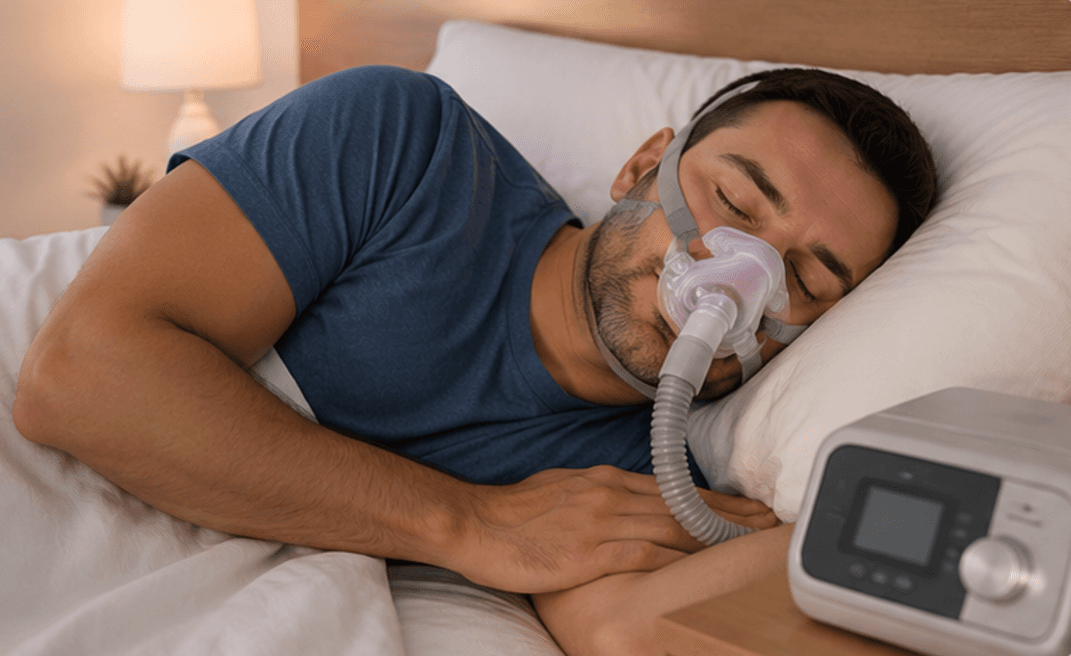
Continuous positive airway pressure (CPAP) uses a machine to deliver pressurised air through a mask, splinting the airway open from the inside. It remains a first-line treatment for many people with moderate to severe obstructive sleep apnea because it can be highly effective when used consistently. Challenges include mask comfort, claustrophobia, dry nose, and travel logistics. Some patients use CPAP successfully for years; others struggle with adherence despite wanting better sleep.
Oral appliance therapy (OAT) uses a custom device worn on the teeth, similar in footprint to an orthodontic retainer or sports guard, that holds the lower jaw slightly forward and may lift the tongue base away from the throat. That mechanical change can reduce snoring and, in appropriately selected patients with OSA, lower the number of breathing events. Appliances are not identical to CPAP in mechanism or in every outcome study, but they offer a tangible option when CPAP is not tolerated or when medical providers agree a trial is reasonable for milder disease.
Choosing between approaches is a medical and practical decision, not a popularity contest. Severity on the sleep study, other health conditions, anatomy, and personal preference all matter. Some people use combination strategies under physician guidance. Reading about jaw pain and TMJ issues can prepare you for conversations about whether nightly jaw advancement is comfortable if you already click or ache near the ears.
Who may be a candidate for a dental sleep appliance
Candidacy begins with a confirmed diagnosis of obstructive sleep apnea—or a clear medical plan to treat snoring that has been evaluated for hidden apnea. Mild to moderate OSA is often discussed in guidelines as a zone where oral appliances may be considered, especially when CPAP is refused or not tolerated. Severe OSA is sometimes managed with CPAP first; an appliance may still be discussed in selected cases with close medical follow-up and repeat testing to verify improvement.
Dental factors also filter candidacy. You generally need enough healthy teeth to retain the device; heavily worn dentitions, few remaining teeth, or active untreated decay may need stabilisation first within general dental care. Full dentures without implant retention usually require a different approach. Jaw joint pain, unstable bite, or recent major dental work may delay appliance delivery until the mouth is stable.
Nasal breathing capacity matters because an oral appliance does not fix chronic nasal obstruction. Physicians sometimes treat allergies, deviated septum, or other sources of resistance before expecting any sleep device to work well. Body weight and sleep position are not “dental failures” if they remain contributors; they may still be part of the overall plan you discuss with your medical team.
What getting an oral appliance involves
After medical diagnosis and a shared decision to try an appliance, the dental visit collects records: impressions or scans, bite registration, and measurement of how far the lower jaw can comfortably protrude. That protrusive limit is important; effective advancement is not the same as pushing the jaw to its maximum. The laboratory fabricates the device to your models. At delivery, the dentist checks fit, shows insertion and removal, and explains cleaning.
Titration means gradually adjusting advancement over weeks while you report sleep quality, partner observations, and any jaw or tooth symptoms. Some clinics use objective monitors or arrange repeat sleep testing when physicians want proof that events have dropped into a safer range. Follow-up is part of success, not an optional extra—appliances that are made and never reviewed may be uncomfortable, ineffective, or hard on the joints.
Insurance and documentation vary by region and plan. Keep copies of the sleep study summary and physician recommendation; they often support claims for oral appliance therapy. The clinical sequence matters more than marketing names for device types.
Side effects and how they are managed
Common early side effects include increased salivation or dry mouth, mild jaw soreness in the morning, and temporary bite changes that feel like the teeth do not meet as they did before breakfast. Most morning bite shifts relax within minutes to hours as muscles reset. Persistent discomfort, worsening joint clicking, or tooth mobility should be reported promptly rather than endured silently.
Long-term use can, in some people, produce small orthodontic-style tooth movements or changes in how back teeth contact. Dentists monitor contacts at reviews and may adjust the appliance or recommend retainers after therapy ends. Gum irritation at the margins of the device usually improves with fit refinement and hygiene coaching.
Oral appliances do not cure obesity, nasal disease, or every form of central sleep apnea—a different condition in which breathing effort pauses for neurological reasons. If symptoms return despite wearing the device, physicians may repeat testing rather than assuming the appliance is still adequate.
Screening in the dental chair versus full diagnosis
Dentists may ask about snoring, witnessed apneas, daytime sleepiness, and neck circumference as part of health history. They might note a crowded airway on examination or tooth wear from possible bruxism. That screening can prompt a referral for sleep testing. It should be explained clearly: a dental screening questionnaire is not equivalent to polysomnography.
Patients sometimes arrive asking for a “snore guard” without a diagnosis. A simple snore device from a shop is not the same as a titrated medical oral appliance for OSA. When apnea is possible, treating only the noise without testing can leave health risks unaddressed. Responsible dental sleep care encourages the medical pathway while offering timely appliance therapy once the diagnosis and treatment plan exist.
Children with snoring or restless sleep need paediatric medical evaluation rather than adult-style mandibular advancement. Paediatric dentistry focuses on growth, habits, and referral when sleep-disordered breathing is suspected in developing airways.
Living with therapy and staying coordinated
Successful sleep care is often a team effort. You, your sleep physician, and your dentist each hold part of the picture. Keep physicians informed if the appliance is adjusted substantially or if you stop using it. Report cardiovascular symptoms, new snoring patterns, or return of sleepiness—they may indicate that therapy needs re-evaluation, not just a tighter strap on an old habit.
Maintain regular dental check-ups. Appliances sit against enamel and gums for hours each night; decay or bleeding gums can progress if home care slips. If you also pursue orthodontic treatment, timing relative to sleep appliances should be planned so forces and retainers do not conflict.
For a clinic overview of how oral appliance therapy is offered alongside physician collaboration, see sleep apnea treatment. Educational articles such as why regular dental check-ups matter apply doubly when a medical device lives in your mouth every night.
Frequently Asked Questions
- Can my dentist diagnose sleep apnea without a sleep study?
- Dentists can screen for risk and examine oral factors, but diagnosis of obstructive sleep apnea relies on medical sleep testing interpreted by a qualified physician. Dental care supports treatment after that diagnosis; it does not replace it.
- Is snoring always sleep apnea?
- No. Many people snore without meeting criteria for obstructive sleep apnea. Because snoring can coexist with apnea, persistent loud snoring with sleepiness, pauses, or health risks should prompt medical evaluation rather than assuming snoring is harmless.
- How is an oral appliance different from CPAP?
- CPAP uses pressurised air through a mask to hold the airway open. An oral appliance repositions the jaw and tongue mechanically. Both aim to reduce obstruction; they differ in comfort, portability, mechanism, and which severity levels they suit best. Physicians usually guide that choice.
- Will a boil-and-bite mouthguard treat my sleep apnea?
- Over-the-counter snoring devices are not the same as a custom, titrated oral appliance prescribed for obstructive sleep apnea after medical diagnosis. Fit, advancement, and follow-up differ. Using a generic guard without evaluation can miss untreated apnea or aggravate the jaw.
- Can oral appliance therapy cause jaw pain?
- Some morning jaw soreness or temporary bite change is common early on. Persistent pain, locking, or worsening clicking should be reported. Dentists may reduce advancement, adjust the device, or involve TMJ care. Pre-existing joint problems should be disclosed before treatment starts.
- Who decides if I am a candidate for a dental sleep appliance?
- Medical providers interpret sleep studies and recommend treatment options. Dentists assess whether your teeth, gums, and joints can support an appliance and then fabricate and titrate it. Both perspectives are needed for safe, effective care.
- Do I still need follow-up sleep testing with an appliance?
- Physicians may recommend repeat testing or home monitoring after titration to confirm that breathing events have improved. That decision depends on initial severity, symptoms, and local practice standards—not on dental visits alone.
- Can I use an oral appliance if I have missing teeth or crowns?
- Retention depends on which teeth remain and how stable they are. Crowns and bridges can sometimes support appliances if planned carefully. Severely reduced dentitions may need other options discussed with both dental and medical teams.
- Does treating sleep apnea help teeth grinding?
- Sleep bruxism and sleep-disordered breathing can coexist, but one does not automatically cause the other. Some patients grind less when sleep improves; others still need separate jaw or tooth protection. A dentist can evaluate wear patterns during routine care.