After Treatment
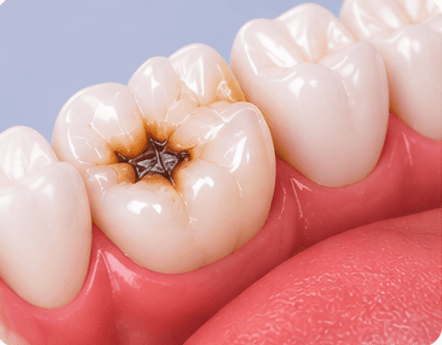
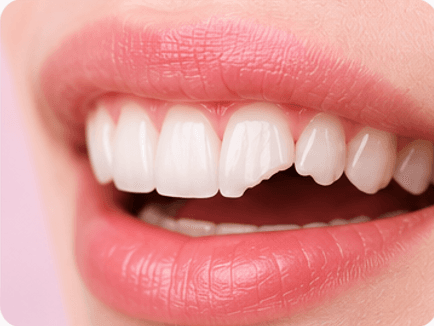
Download Guide ↓Fillings and crowns restore teeth damaged by decay, wear, or fracture. After the appointment your tooth, gum, or jaw may feel numb, sensitive, or odd when you bite. Composite fillings, silver amalgam, inlays, and crowns each have slightly different settling-in periods. Temporary crowns need different rules than permanent ones. This guide explains typical expectations and home care; your dentist's instructions about eating, flossing, and bite adjustment always come first. Treatment context lives under General Dentistry and Cosmetic Dentistry when appearance was part of the plan. Decay and breakage background: Cavities / Tooth Decay, Damaged or Broken Teeth, and Tooth Pain. If the tooth had root canal therapy first, also read After Root Canal Treatment: What to Expect and How to Care for Your Tooth.
This guide often relates to Cavities / Tooth Decay, Damaged or Broken Teeth, Tooth Pain, General Dentistry and Cosmetic Dentistry.
Right after the appointment
Local anaesthetic can linger for a few hours. Avoid chewing until numbness wears off so you do not bite cheek, tongue, or lip.
If you received a composite filling, your dentist may say you can eat once numbness is gone; some still suggest soft foods briefly. Amalgam may need more time before heavy chewing on that side—follow what you were told.
A new crown cemented the same day usually allows careful eating; a temporary crown does not tolerate hard or sticky foods.
Minor bleeding at the gum line from isolation or impressions is usually self-limiting. Persistent bleeding needs a call.
Sensitivity and bite feel
Cold, sweet, or pressure sensitivity for days or a few weeks can occur, especially with deep fillings near the nerve. Sensitivity that is slowly improving is common; sharp pain that stays constant may need review.
Your bite should feel even when you tap teeth together. If one spot hits first or feels tall, contact the clinic for adjustment. A high filling or crown can make the tooth ache and loosen over time.
Gum tenderness around a crown margin often settles as you heal. Pain when flossing a new crown once may mean a cement tag; if it persists, ask the dentist to check the margin.
Understanding Tooth Pain: Common Causes and When to See a Dentist helps you describe symptoms, but bite and temperature tests at the clinic diagnose the cause.
Temporary crowns and provisional restorations
Temporary crowns protect the prepared tooth and hold space. They are cemented lightly and can dislodge with sticky food, floss snapping upward, or fingernail habits.
If a temporary comes off, keep the tooth clean, avoid chewing there, and call for re-cementation. Store the temporary safely; do not reuse over-the-counter glues unless the dentist explicitly approved a short-term kit.
Brush gently; pull floss out sideways rather than lifting up through the contact if instructed. That reduces pull-off force.
Temporary colour and shape are not final; focus on keeping it seated until the permanent crown try-in.
Permanent fillings and crowns
Once a permanent crown is cemented, floss normally unless told the cement is still setting—some clinicians ask for brief caution the first day.
Porcelain and ceramic can chip if you chew ice or open packages with teeth. Metal or porcelain-fused crowns have different strengths; your dentist chose material for your bite.
Composite fillings may feel slightly rough at first; minor polish at review fixes persistent roughness. Do not file them at home.
Good hygiene at the gum margin prevents decay under crowns—a common reason restorations fail years later.
Oral hygiene and daily habits
Brush twice daily and clean between teeth. Restorations do not stop Cavities / Tooth Decay on other surfaces of the same tooth or neighbouring teeth.
Use a soft brush around fresh gum work. Alcohol-heavy rinses can sting; use products your clinic recommended if any.
If you had a deep filling close to the nerve, your dentist may monitor the tooth over months. Report spontaneous pain that wakes you—it can mean the nerve did not recover and further treatment such as root canal may be discussed.
Regular General Dentistry visits catch open margins and wear early.
Food and habits to mind
Avoid sticky toffee, hard nuts, and chewing ice on new restorations, especially temporaries.
Very hot and cold extremes may trigger sensitivity while the tooth adapts; moderation helps.
Grinding or clenching can fracture large fillings or crowns. If you were fitted for a night guard, wear it as directed.
After After Root Canal Treatment: What to Expect and How to Care for Your Tooth, the tooth may have a crown placed in the same phase—treat it as protected until fully restored.
Warning signs: clinic call versus emergency
Call the dental clinic: lost temporary or permanent crown, bite feels high after 24 hours, constant throbbing pain, swelling of the face or gum, bad taste with pus, or filling that falls out.
Seek emergency medical care for facial swelling affecting vision or swallowing, fever with rapidly spreading redness, difficulty breathing, or allergic reaction to anaesthetic or materials.
Sensitivity alone rarely needs emergency care unless paired with swelling or trauma.
For acute trauma to a crowned tooth, principles in Dental Emergencies: What to Do Before You Reach the Dentist apply—save fragments and call promptly.
Follow-up and questions for your dentist
Ask when the permanent crown will arrive if you wear a temporary, and how to reach the clinic if it falls off at night.
Confirm whether sensitivity should fade by a certain date and what to do if it does not.
Ask how to floss around the new crown and whether interdental brushes are preferred.
If the restoration was cosmetic, discuss expectations for shade match under different lighting—Cosmetic Dentistry pages may supplement that conversation.
For discomfort strategies while adapting, see Managing Dental Pain and Swelling After Treatment if compatible with your restoration type.
Frequently Asked Questions
- How long should sensitivity last?
- Minor cold sensitivity for days to a few weeks can be normal after a filling or crown. Worsening pain, pain that lingers long after the stimulus, or spontaneous ache should be checked. Your dentist can tell you what timeline fits your depth of decay and treatment.
- My temporary crown fell off—what now?
- Keep the tooth clean, avoid chewing there, and contact the clinic for re-cementation. Bring the temporary if you have it. Delay raises risk of shifting teeth or sensitivity on the exposed preparation.
- Can I floss a new crown?
- Usually yes once cement is set. For temporaries, many dentists prefer floss threaded through rather than snapped up. Follow the technique you were shown.
- The bite feels high—is that urgent?
- It should be adjusted soon, often within a day or two. A high bite causes soreness and can damage the restoration. Call the clinic for a quick adjustment visit rather than waiting for a routine check.
- Where to read more on this site?
- See Cavities / Tooth Decay, After Root Canal Treatment: What to Expect and How to Care for Your Tooth, Managing Dental Pain and Swelling After Treatment, and Understanding Tooth Pain: Common Causes and When to See a Dentist for related topics.
Important reminder
These instructions are general educational guidance. Your dentist may give instructions that differ depending on the procedure, your medical history, and how treatment was performed. Follow the written or verbal instructions provided specifically for you. This guide does not replace professional dental or medical advice, diagnosis, or emergency care.
Save or print a branded PDF copy of this guide.