Family & Emergency
Download Guide ↓Children depend on adults for oral hygiene until hand coordination and habit formation catch up—often well into primary school. This guide outlines practical daily routines that reduce Cavities / Tooth Decay and Bleeding Gums, without turning the bathroom into a battle. It complements professional care through Pediatric Dentistry, not replaces it. If you have not yet established dental home, read When Does a Child Need Their First Dental Visit? for timing. When pain appears despite good habits, use Toothache in Children: What Parents Should Know. For broader hygiene principles, see How Often Should You Really Brush and Floss? and When Should a Child First Visit the Dentist?.
This guide often relates to Cavities / Tooth Decay, Bleeding Gums and Pediatric Dentistry.
Goals of daily care at home
The aim is to remove plaque—the sticky bacterial film that forms after eating—before it hardens into tartar and before acids erode enamel. Baby teeth are as susceptible to decay as permanent teeth; pain and infection in primary teeth still hurt and can spread.
Home care also lets you notice changes early: new brown spots, gum redness, bad breath that persists after brushing, or a child favouring one side when chewing.
Building a predictable routine helps children accept brushing as normal, like bathing. Short, calm sessions beat long fights every few days.
Your dentist may tailor advice if enamel is weak, braces are present, or medical conditions affect the mouth.
Brushing by age and stage
Before teeth erupt, wipe gums with a clean damp cloth after feeds to reduce milk residue.
When the first tooth appears, brush twice daily with a soft infant brush and a smear of fluoride toothpaste—about the size of a grain of rice—unless your clinician advised a fluoride-free period for a specific reason.
From ages three to six, use a pea-sized amount of fluoride toothpaste. An adult should brush or closely supervise, ensuring all surfaces are reached, especially along the gumline and back molars.
From about age seven or eight, many children can brush alone, but parents should still check nightly that brushing happened and technique is adequate. Every child differs; keep supervising if you see plaque or bleeding.
Use gentle circles on outer, inner, and chewing surfaces. Two minutes is a common target; a simple timer or song helps young children.
- Twice daily brushing is the baseline for most children with teeth
- Adult supervision until brushing is consistently effective
- Replace worn brushes every three months or after illness
Flossing and between-teeth cleaning
Start flossing when two teeth touch—often between back baby molars. Cavities often start in tight contacts where a brush cannot reach.
Floss handles or picks designed for children can be easier than long string for a parent’s hands.
Older children with braces need additional tools their orthodontist recommends; this guide focuses on routine paediatric care without appliances.
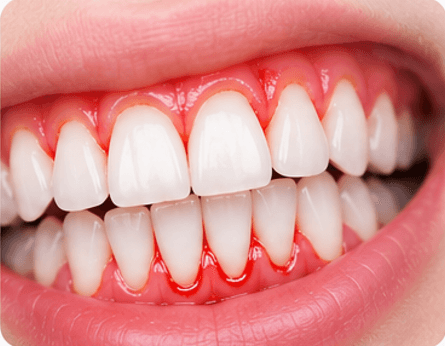
If gums bleed slightly when flossing starts, continue gently for a week. Persistent bleeding warrants a dental check—see Bleeding Gums.
Fluoride, rinses, and extra products
Fluoride toothpaste strengthens enamel. Use the amount appropriate for age and spit out excess; young children should not swallow large amounts.
Community water fluoridation varies by region. Tell your dentist whether your child drinks tap water, filtered water, or only bottled water so they can advise on supplemental fluoride if needed.
Mouthwash is not essential for young children and can be swallowed. If recommended for an older child, follow product age labels and your dentist’s instructions.
Do not use charcoal or abrasive social-media trends on children’s enamel.
Diet and sipping habits
Frequency of sugar matters as much as amount. Constant sipping of juice, flavoured milk, or sweetened drinks bathes teeth in acid.
Offer water between meals. Save juice for occasional small servings with food, not bedtime bottles.
Sticky sweets, toffee, and dried fruit cling to grooves. If treats are part of culture or celebrations, brush afterward or at least rinse with water.
Crunchy vegetables and cheese can be tooth-friendly snacks. Ultra-processed snack packs often hide sugars under many names.
Night feeding after brushing should be avoided once teeth are present. If a baby needs comfort feeding, wipe or brush afterward if possible.
What to avoid
Do not let a child run with a toothbrush in the mouth.
Do not share toothbrushes between siblings.
Do not use adult whitening products on children.
Do not skip dental visits because home care looks good—some decay starts between teeth and needs professional detection.
Do not punish missed brushing with shame; redirect and make the next session shorter and positive.
When daily care is not enough: warning signs
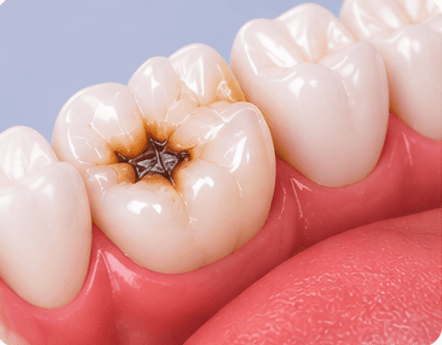
White chalky bands near the gums, brown pits, or sensitivity to cold can indicate Cavities / Tooth Decay despite brushing. Book a visit rather than only brushing harder.
Swelling, pimple on the gum, or facial puffiness needs urgent dental care—not just more flossing.
Persistent Bleeding Gums after two weeks of gentle brushing and flossing suggests professional cleaning or other treatment.
Toothache, poor sleep, or refusal to eat are covered in Toothache in Children: What Parents Should Know. That is not solved by a new toothbrush alone.
Making routines work for real families
Brush together as a family so younger children mimic adults.
Let the child choose a brush colour or a two-minute song, but the adult still verifies quality.
For resistant toddlers, knee-to-knee positioning with two adults—one stabilizing gently, one brushing—can help short term while trust builds.
Visual charts with stickers work for some school-age children; others respond to straightforward reminders.
Caregivers who split households should share the same basic rules so the child gets consistent messages.
Grandparents and nannies who help at bedtime should know your brushing and snack rules so good habits stay steady across caregivers.
Questions to ask your paediatric dental team
Ask whether your child’s fluoride exposure is adequate for their decay risk.
Ask when sealants might help protect permanent molars.
Ask how to manage pacifier or thumb habits at your child’s age.
Ask for demonstration of flossing on your child’s actual teeth.
Ask how soon to return—usually six months for many children, sooner if risk is high.
Frequently Asked Questions
- My child swallows toothpaste. Is that a problem?
- Use the recommended amount for age—a smear or pea-sized dose—and encourage spitting when able. Discuss swallowing habits with your dentist if you are concerned about fluoride intake.
- Do baby teeth need flossing if they will fall out?
- Yes, if teeth touch. Decay and pain in baby teeth affect eating, speech, and permanent teeth. Premature loss can crowd the arch.
- How often should we see the dentist?
- Many children benefit from checks every six months; higher-risk children may need shorter intervals. Your clinician sets the schedule after assessing diet, history, and exam findings.
- Where can I read more here?
- See Pediatric Dentistry, When Does a Child Need Their First Dental Visit?, Cavities / Tooth Decay, and How Often Should You Really Brush and Floss?.
Important reminder
These instructions are general educational guidance. Your dentist may give instructions that differ depending on the procedure, your medical history, and how treatment was performed. Follow the written or verbal instructions provided specifically for you. This guide does not replace professional dental or medical advice, diagnosis, or emergency care.
Save or print a branded PDF copy of this guide.