Family & Emergency
Download Guide ↓A dental emergency is a sudden problem with teeth, gums, jaws, or dental work that needs prompt professional care—not always the same as a medical emergency. This guide explains how to respond in the first minutes and hours, when to contact your dentist, and when to seek hospital care instead. It does not replace personal advice from your treating clinician. For background on routine and urgent care, see General Dentistry; for pain patterns, Tooth Pain and Understanding Tooth Pain: Common Causes and When to See a Dentist. Related step-by-step guides include What to Do If a Tooth Is Knocked Out, Toothache in Children: What Parents Should Know, and Braces and Orthodontic Emergencies: What to Do.
This guide often relates to Tooth Pain, Damaged or Broken Teeth, Bleeding Gums, General Dentistry and Oral Surgery.
Dental emergency versus medical emergency
A dental emergency usually means bleeding, severe pain, infection signs, trauma to teeth or jaws, or a failed restoration that leaves sharp edges or exposed nerve tissue. You still need a dentist, often on the same day, but you may be able to manage symptoms safely until you arrive.
A medical emergency is different: trouble breathing or swallowing, chest pain, fainting, a suspected broken jaw with facial deformity, uncontrolled bleeding despite pressure, a deep cut through the lip or tongue that will not stop bleeding, or any head injury with loss of consciousness. In those situations, call emergency medical services or go to the nearest emergency department first. Dental care can follow once you are stable.
Some events need both: a knocked-out tooth after a sports collision may need hospital assessment for concussion while the tooth is handled as in What to Do If a Tooth Is Knocked Out. When in doubt, prioritize airway, breathing, and serious injury over saving a tooth.
Keep your clinic’s after-hours number saved. If you are travelling, note whether your dentist can refer you locally or advise by phone.
First steps for any urgent dental problem
Stay calm enough to think through safety. Sit the person down, especially if they feel faint from pain or blood. Wash your hands before touching the mouth or any knocked-out tooth.
Note what happened, when it started, and whether there was a blow to the head, neck, or jaw. That timeline helps the dentist and, if needed, emergency doctors.
If there is bleeding, use clean gauze or a folded cloth and apply steady pressure to the bleeding site—not the tooth root if a tooth is avulsed. Change gauze if it becomes soaked; keep pressure for several minutes without peeking too often.
For pain, use only medicines you know are safe for you or your child. Ask your dentist or pharmacist what options fit your age, medical history, and other medications. Do not place aspirin directly on the gum; it can burn tissue.
Photographs of swelling, a broken tooth, or a lost filling can help the front desk triage your call, but they do not replace an examination.
Common situations and what to do
Knocked-out permanent tooth: time matters. Follow What to Do If a Tooth Is Knocked Out rather than improvising. Baby teeth are usually not replanted; still call for advice if the injury looks severe.
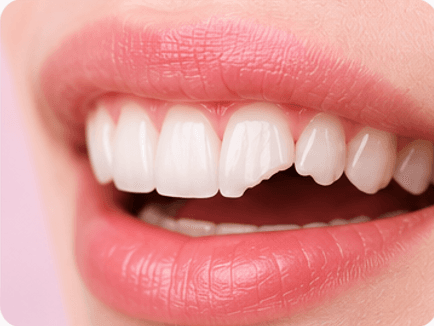
Loose or pushed-in tooth after trauma: do not wiggle it. Soft diet, gentle bite together if comfortable, and urgent dental review. Damaged or Broken Teeth describes types of injury your dentist will check.
Severe toothache with swelling or fever may indicate infection. This is not a wait-until-Monday problem if swelling is spreading, you feel unwell, or pain is escalating. Urgent dental care is needed; hospital care is needed if swallowing or breathing feels restricted.
Lost filling or crown: keep the piece if you have it. Drugstore temporary cement can sometimes hold a crown briefly if the tooth is not painful; skip if the bite feels high or the tooth is very sensitive. Sharp edges can be covered with orthodontic wax until you are seen.
Broken brace wire or bracket: see Braces and Orthodontic Emergencies: What to Do. Cover sharp ends with wax; do not cut wires that might be swallowed.
Cut lip, cheek, or tongue: rinse gently with water. Small cuts often heal; deep cuts, especially in children, may need suturing in emergency care.
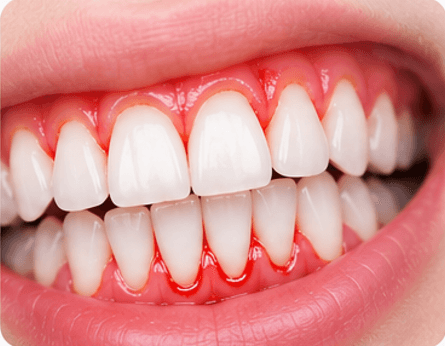
Bleeding gums alone after brushing are usually not an emergency; see Bleeding Gums for routine care. Heavy bleeding after extraction or surgery is different—follow your surgical instructions and call if pressure does not help.
- Call the same day for uncontrolled pain, spreading swelling, fever with mouth symptoms, or trauma
- Go to hospital for breathing or swallowing difficulty, heavy trauma, or uncontrolled bleeding
- Bring any tooth fragments, crowns, or appliances in a clean container
What to avoid while waiting for care
Do not ignore a high fever or swelling that tracks toward the eye or neck. Dental infections can spread; early treatment prevents hospital admission.
Avoid hard, sticky, or very hot foods on a cracked or sensitive tooth. Avoid chewing on the injured side.
Do not use superglue, household adhesives, or non-dental tools inside the mouth.
Do not share antibiotics left from another illness. Antibiotics are not always the right answer, and the wrong drug delays proper care.
If you wear orthodontics or removable appliances, do not discard broken parts until your orthodontist says whether they can be repaired.
What is often manageable until regular hours
Mild sensitivity after cold food, a small chip without pain, or a lost small filling with dull ache may be uncomfortable but not dangerous if symptoms are stable. Book the earliest convenient appointment and keep the area clean.
Orthodontic soreness for a day or two after an adjustment is common. It differs from a wire stabbing the cheek or a bracket detaching completely—that needs the orthodontic emergency guide.
Children’s toothache without swelling or fever still deserves a dental visit soon; use Toothache in Children: What Parents Should Know for home support while you arrange care.
If symptoms worsen overnight—pain that wakes you, new swelling, or foul taste—treat that as urgent even if it started as “mild.”
Warning signs: dentist urgently versus hospital now
Contact your dentist urgently for persistent severe Tooth Pain, swelling in the gum or face, pus or bad taste, a tooth knocked loose, a crown off with sharp pain, or post-treatment bleeding that does not slow with pressure as instructed.
Seek emergency medical care if there is difficulty opening the mouth because of swelling, trouble swallowing saliva, breathing feels harder, vision changes with eye swelling, or you were knocked unconscious even briefly.
After Oral Surgery, follow your written sheet. Bleeding that soaks through repeated gauze changes, or pain that spikes after initially improving, warrants a call the same day.
Parents: trust your instinct when a child will not eat, has a rising temperature, or cries continuously from mouth pain. Paediatric dental problems can escalate quickly; Toothache in Children: What Parents Should Know lists child-specific red flags.
Preparing for the emergency visit
Bring a list of medicines, allergies, and medical conditions. Mention blood thinners, pregnancy, diabetes, or immune conditions—they change treatment choices.
Eat lightly before the visit unless you were told to stay nil by mouth for sedation. If you might need surgery, avoid a heavy meal.
Arrange a companion if sedation is possible, or for a child who needs reassurance.
If a tooth was knocked out, transport it as described in What to Do If a Tooth Is Knocked Out—moist, not scrubbed, and not wrapped in dry tissue for long periods.
Write down questions so you do not forget them after numbing or stress.
Aftercare and preventing the next emergency
Follow all instructions after emergency treatment: antibiotics only if prescribed, completion of the course, and return visits for root canal, crown, or suture removal.
Mouthguards for contact sport, seat belts in cars, and stair gates for toddlers reduce trauma. Regular General Dentistry visits catch decay before it becomes a midnight abscess.
Address Bleeding Gums and early decay in children with steady home hygiene and regular General Dentistry visits so fewer problems reach crisis stage.
Know where your dental records are if you need care while away from home.
Questions to ask when you call or arrive
Ask whether you should come immediately or within a few hours, and what to do if symptoms change on the way.
Ask which pain-relief options are suitable for you or your child given age and health conditions.
If a tooth cannot be saved, ask about temporary replacement and long-term options; your dentist will explain what comes next after trauma.
Ask whether you need medical assessment in addition to dental care after facial injury.
Confirm follow-up timing and what to watch for at home tonight.
Frequently Asked Questions
- Is severe tooth pain always a dental emergency?
- Severe pain that is new, worsening, or paired with swelling, fever, or trauma needs urgent dental assessment. Stable mild ache can often wait for a booked appointment, but call if you are unsure—staff can triage by phone.
- Should I go to the hospital for a dental problem?
- Go to emergency medical care for breathing or swallowing trouble, heavy facial trauma, uncontrolled bleeding, or signs of serious infection with general illness. For most tooth-focused problems, an urgent dental visit is appropriate, sometimes after medical clearance.
- Can I use leftover antibiotics at home?
- No. Only take antibiotics prescribed for this episode. The wrong drug or dose can mask symptoms and delay proper drainage or treatment.
- Where can I read more on this site?
- Start with General Dentistry, Tooth Pain, and the linked guides What to Do If a Tooth Is Knocked Out and Toothache in Children: What Parents Should Know for specific scenarios.
Important reminder
These instructions are general educational guidance. Your dentist may give instructions that differ depending on the procedure, your medical history, and how treatment was performed. Follow the written or verbal instructions provided specifically for you. This guide does not replace professional dental or medical advice, diagnosis, or emergency care.
Save or print a branded PDF copy of this guide.