Family & Emergency
Download Guide ↓When a permanent tooth is knocked completely out of the socket, the clock starts immediately. What you do in the next minutes affects whether a dentist can replant it. This guide covers safe handling, transport, and when the situation is a medical emergency rather than only a dental one. Baby teeth are managed differently—replantation is usually not attempted. For broader trauma steps, see Dental Emergencies: What to Do Before You Reach the Dentist. Clinical care may involve Oral Surgery or General Dentistry; injury types are described under Damaged or Broken Teeth. Pain after trauma overlaps with Tooth Pain; Understanding Tooth Pain: Common Causes and When to See a Dentist can help you describe symptoms. Paediatric cases may involve Pediatric Dentistry.
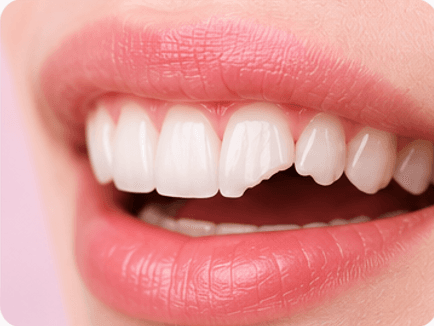
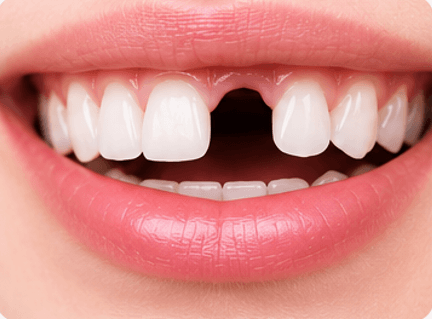
This guide often relates to Damaged or Broken Teeth, Tooth Pain, Missing Teeth, Oral Surgery, General Dentistry and Pediatric Dentistry.
Check safety first: medical versus dental priority
Before focusing on the tooth, make sure the person is safe. If there was a fall, collision, or blow to the head, watch for confusion, repeated vomiting, unequal pupils, or loss of consciousness—even briefly. Those signs need emergency medical care before dental treatment.
Control serious bleeding from lips or face with firm pressure. If bleeding does not slow after sustained pressure, seek hospital care.
If breathing or swallowing is affected by swelling or blood, treat that as a medical emergency. Dental replantation can wait until the person is stable.
Once immediate medical risks are addressed, turn attention to the tooth using the steps below.
Permanent tooth versus baby tooth
If you are unsure which tooth it is, ask the child’s age and compare with the opposite side. Front baby teeth are smaller and whiter with shorter roots; permanent incisors look larger in older children.
A knocked-out baby tooth is usually not replanted. Trying to put it back can harm the developing permanent tooth underneath. Still call your dentist or Pediatric Dentistry team if the gum is torn, bleeding will not stop, or the child is in severe pain.
A knocked-out permanent tooth should be replanted as soon as possible by a dentist—or gently by a trained provider if instructed—but home care focuses on protecting the root surface until you arrive.
If only part of the tooth broke off but the root remains in the jaw, do not pull anything. Save fragments in milk or saline if available and seek urgent care. See Damaged or Broken Teeth for context.
What to do immediately after avulsion
Find the tooth. Pick it up by the crown—the white chewing part—not the root. The root carries delicate cells needed for replantation.
If the tooth is dirty, rinse briefly with cold running water or milk. Do not scrub, brush, or use soap. Do not dry the root with tissue.
If the person is calm enough and the tooth is a permanent adult or adolescent tooth, some guidelines suggest trying to reinsert it into the socket facing the correct way, then biting gently on gauze to hold it. If that is not possible or you are unsure, store the tooth properly and go to the dentist urgently instead of forcing it.
For storage, keep the tooth moist. Options include placing it inside the cheek if the person is old enough not to swallow it, standing it in a small cup of cold milk, or using a commercial tooth-preservation kit if you have one. Plain water is a last resort and less ideal for root cells.
Call your dental clinic en route so they can prepare for an emergency slot. Time beyond an hour reduces success, but still bring the tooth—management options exist even when replantation is not possible.
- Handle the crown only; keep the root moist
- Do not wrap the tooth in dry paper for transport
- Seek urgent dental care; replantation success drops with delay
What to avoid
Do not touch or wipe the root surface repeatedly. Scraping removes living tissue.
Do not store the tooth in alcohol, bleach, or antiseptic mouthwash.
Do not attempt to file or trim a tooth that will not fit back into the socket.
Do not ignore lip or jaw pain because the tooth was “saved.” X-rays check for root fractures and alveolar bone injury.
Avoid hard food and sport on the injured side until a dentist clears you.
What to expect after professional care
The dentist will examine the socket, clean gently if needed, replant or splint the tooth, and discuss antibiotics or tetanus update depending on injury and vaccination history. Tetanus is a medical decision—follow your doctor’s advice if the injury was contaminated.
A splint may hold the tooth to neighbours for days to weeks. Soft diet and careful brushing around the splint are common instructions.
The tooth may need root canal treatment later even if replantation looks successful. Attend all follow-ups; some problems appear only on X-ray.
If replantation is not possible, the team will discuss space maintenance in children and replacement options such as implants or bridges in adults—topics linked to Missing Teeth when you explore long-term care on this site.
Some sensitivity and mild looseness can occur initially. Worsening pain, grey colour change, or pus needs a prompt call.
Warning signs after trauma
Return for urgent review or call emergency services if swelling spreads, fever develops, the tooth darkens rapidly, or pain escalates despite prescribed care.
Headache, dizziness, or nausea after the accident may indicate concussion—medical assessment comes first.
For ongoing Tooth Pain that feels deep or throbbing, describe timing and triggers using ideas from Understanding Tooth Pain: Common Causes and When to See a Dentist so the clinic can prioritize.
Children who refuse to eat, drool excessively, or cannot open the mouth need same-day review.
Home care while healing
Brush twice daily with a soft brush, avoiding heavy pressure on the splinted tooth unless told otherwise. Chlorhexidine rinses may be prescribed—use only as directed.
Stick to soft foods and avoid biting directly on the injured tooth. Cut food into pieces rather than biting into apples or corn.
Wear a mouthguard when sport resumes; custom guards from your dental team fit better than generic boil-and-bite types for healed teeth.
If your child had the injury, read Toothache in Children: What Parents Should Know for comfort measures that do not replace trauma care.
Prevention and sport
Mouthguards reduce avulsion risk in contact and ball sports. Helmets and face cages add protection in hockey and cricket settings.
Pool edges, trampolines, and slippery bathroom tiles are common home injury sites—supervise young children.
Regular check-ups through General Dentistry catch weak enamel or large restorations that fracture more easily on impact.
Teens with fixed braces should follow sport guard advice from their orthodontist; loose wires after impact are covered in Dental Emergencies: What to Do Before You Reach the Dentist.
Questions to ask your dentist
Ask how long the splint stays on and what signs mean the tooth is failing.
Ask whether root canal is likely and when it would be scheduled.
Ask about antibiotics: whether they are needed for this injury and for how long if prescribed.
Ask what to do if the splint feels loose before your review appointment.
For children, ask whether a space maintainer is needed if the tooth cannot be saved.
Frequently Asked Questions
- How fast do I need to reach the dentist?
- Sooner is better for permanent teeth, ideally within an hour. Keep the tooth moist and call ahead. Delays reduce replantation success but still seek care the same day.
- Should I put a baby tooth back in?
- No. Baby teeth are not usually replanted. Focus on stopping bleeding, comforting the child, and arranging a dental review if the injury is more than a simple knock.
- Can the tooth be stored in water?
- Milk or a tooth-preservation solution is preferred. Water is better than letting the root dry out, but it is not ideal for the cells on the root surface.
- Where can I read related information?
- See Dental Emergencies: What to Do Before You Reach the Dentist, Oral Surgery, Damaged or Broken Teeth, and Toothache in Children: What Parents Should Know for linked topics on this website.
Important reminder
These instructions are general educational guidance. Your dentist may give instructions that differ depending on the procedure, your medical history, and how treatment was performed. Follow the written or verbal instructions provided specifically for you. This guide does not replace professional dental or medical advice, diagnosis, or emergency care.
Save or print a branded PDF copy of this guide.