Invisalign & Retainers
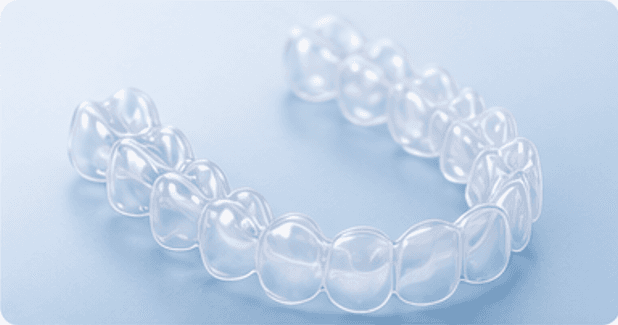
Download Guide ↓Aligners sit against your teeth for most of the day. Without regular cleaning, plaque, saliva minerals, and drink residue can make trays smell, look cloudy, and hold bacteria against the enamel. This guide walks through a practical daily routine, products that are usually safe, and common mistakes that warp or stain plastic. Use it with the wear schedule in Invisalign Wear Instructions and mealtime rules in What to Eat and Avoid During Invisalign Treatment. Your clinician may recommend a specific cleaning product or soaking solution—those instructions come first. Background on Clear Aligners (Invisalign) and Orthodontics explains why tray hygiene supports the same goals as brushing for Misaligned Teeth correction.
This guide often relates to Misaligned Teeth, Clear Aligners (Invisalign) and Orthodontics.
Why aligner hygiene affects your teeth
Clear plastic does not cause cavities by itself, but it creates a closed space between tray and tooth. Any sugar or acid left on the enamel stays there until you brush. That is why cleaning trays and teeth before reinsert matters as much as wear hours.
Cloudy or scaly buildup on aligners is often dried saliva and plaque, not “normal wear.” It can make trays fit slightly differently and look obvious in photos.
Odour usually means bacteria growing in microscopic scratches. Gentle cleaning slows that; harsh abrasives make scratches worse.
Good aligner care supports the same home hygiene habits described in How Often Should You Really Brush and Floss?—frequent, thorough cleaning of teeth and appliances.
Every time you remove your aligners
Rinse trays under lukewarm running water as soon as they come out. Cold or hot extremes can warp thermoplastic; lukewarm is the safe default unless your team said otherwise.
Do not leave rinsed trays on a counter to dry for hours. Either clean them now or store them in a ventilated case while you eat.
Shake off excess water before storing. A puddle in the case keeps the environment damp and can smell by evening.
If you are in public and cannot rinse, at minimum put trays in the case—not a tissue. Rinse and brush both teeth and aligners before the next long wear period.
Brushing aligners: technique and tools
Use a soft toothbrush reserved for aligners or a dedicated brush head. Gentle circular motions on the inside and outside surfaces remove film without scratching.
Plain water is enough for many people between meals. If you use toothpaste, choose a non-abrasive formula without whitening grit or strong flavour oils that linger. Some clinicians prefer aligner-specific cleaners or mild soap—follow what you were given.
Do not use denture tablets, bleach, mouthwash with alcohol, or coloured soaps unless your dentist specifically approved them. Wrong chemistry can tint or weaken trays.
Brush attachments on your teeth as usual; do not try to scrub attachments off the aligner with hard tools. Cracks start at thin edges.
Soaking and deep cleaning
If your clinic supplied soaking crystals or tablets made for clear aligners, use them at the frequency on the label. Generic denture soaks may be too harsh for your brand of plastic.
Short soaks can help when trays pick up turmeric, chai, or curry stains. Prevention—removing trays before coloured foods and drinks—is still easier than bleaching plastic at home.
After soaking, rinse thoroughly so no residue sits on the tray when you reinsert. Taste and irritation mean rinse again.
Ultrasonic cleaners are optional. They do not replace brushing and only help if approved for your aligner material.
Cleaning your teeth before reinsert
Brush with fluoride toothpaste and clean between teeth if your dentist recommended floss or interdental brushes. Aligners trap whatever is left on the surface.
If you cannot brush after a meal, rinse your mouth well, reinsert only if you must, and brush as soon as you can. Repeated “rinse only” days increase risk for Misaligned Teeth patients who already had crowded areas that were hard to clean.
Whitening toothpaste while in active aligner treatment should be discussed with your clinician; some ingredients cause uneven colour when trays cover part of the time.
Chewing sugar-free gum is not a substitute for brushing before trays go back in.
Caring for the aligner case
Wash the case weekly with mild soap and water, then dry it. Cases with closed lids and no airflow smell faster.
Keep the case away from heat—dashboards, dishwashers, and direct sunlight. Warped cases can warp trays left inside them.
Label the case with your name if you share a bathroom. Mixing trays between family members happens more often than people admit.
Replace a cracked case. Sharp edges can scratch aligners.
What to avoid
Never use boiling water to “sterilise” aligners. Warping makes them unusable and can shift forces on teeth in unsafe ways.
Avoid leaving trays in napkins at restaurants; they end up in the bin. See What to Do If You Lose or Damage Your Aligner or Retainer if that happens.
Do not soak in vinegar, hydrogen peroxide mixtures, or essential oils from online recipes unless your dentist confirmed they are safe for your trays.
Pets, especially dogs, find aligners chewable. Store cases out of reach.
- No abrasive whitening pastes or stiff brushes on plastic
- No coloured or alcohol-heavy mouthwash as a soak
- No sharing trays or cases between people
When to call the clinic
Call if a tray cracks, splits, or no longer seats after cleaning. Do not wear a distorted tray hoping it will “settle.”
Persistent gum irritation, ulcers, or bad taste despite good hygiene may mean edge adjustment or a fit issue—not more scrubbing.
If you notice white spots on teeth near attachments, mention them at your visit; they can relate to decalcification and need professional assessment, not home bleaching.
For comparison of fixed versus removable care, Braces vs Clear Aligners: Understanding Your Options may help you prepare questions.
Frequently Asked Questions
- Can I use regular toothpaste on my aligners?
- Some non-abrasive pastes are acceptable if your clinician agrees. Whitening or tartar-control pastes often scratch plastic. When in doubt, brush trays with water or a product they recommended.
- How often should I clean my aligners?
- Rinse every time they come out. Brush gently at least morning and night, matching when you brush your teeth. Soak only as directed on any product you were given.
- Why do my aligners smell even after brushing?
- Odour often means plaque in scratches or a dirty case. Review your brush pressure, replace an old tray if it is heavily scratched, and wash the case. If smell persists, ask for a fit check.
- Is it safe to use denture cleaner?
- Only if your dental team said so. Some formulas are too strong for clear aligner plastic. Aligner-specific cleaners are designed for this purpose.
- Can I drink water with aligners in?
- Plain still water is usually fine. Remove trays for other drinks, especially anything sugary, acidic, or hot. Details fit with What to Eat and Avoid During Invisalign Treatment.
- Do I need a separate toothbrush for aligners?
- A dedicated soft brush helps avoid transferring abrasive paste from a toothbrush you use on teeth. It also keeps the aligner brush from looking like the family brush by mistake.
- What if my tray turned yellow?
- Staining from food, drink, or smoking can tint plastic. Prevent further staining by removing trays for meals and rinsing well. Ask whether replacement is needed if visibility or fit is affected.
Important reminder
These instructions are general educational guidance. Your dentist may give instructions that differ depending on the procedure, your medical history, and how treatment was performed. Follow the written or verbal instructions provided specifically for you. This guide does not replace professional dental or medical advice, diagnosis, or emergency care.
Save or print a branded PDF copy of this guide.