Invisalign & Retainers
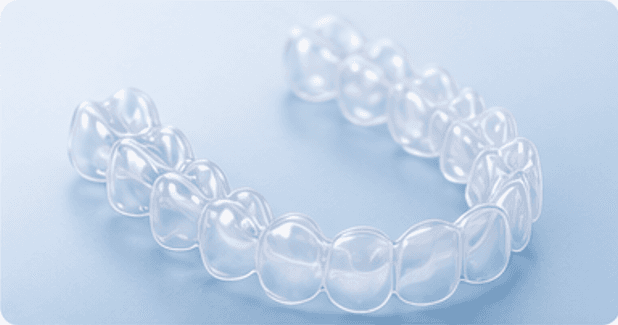
Download Guide ↓Unlike fixed braces, Clear Aligners (Invisalign) come out for meals. That freedom comes with responsibility: teeth and trays need care before and after eating, and some foods still cause trouble when teeth are sore or attachments are new. This guide covers when to remove trays, what to drink with them in, how to handle social meals, and choices that lower cavity and stain risk during treatment. Pair it with Invisalign Wear Instructions for wear hours and How to Clean and Care for Invisalign Aligners for rinsing routines. If your diet is restricted for medical reasons, follow those rules first. Patients correcting Cavities / Tooth Decay risk or worried about Tooth Stains & Discoloration during treatment should pay extra attention to timing and rinsing.
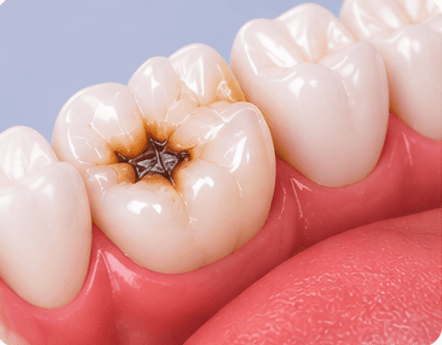
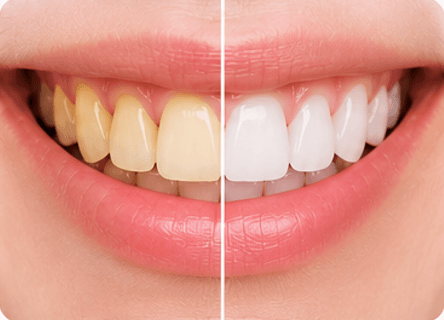
This guide often relates to Cavities / Tooth Decay, Tooth Stains & Discoloration and Clear Aligners (Invisalign).
The basic rule: remove aligners to eat
Take aligners out before any food, including small snacks and chewing gum. Chewing forces can crack or deform trays and do not move teeth the way biting on natural teeth does.
Store trays in a rigid case, not a napkin or open pocket. Lost trays delay treatment; see What to Do If You Lose or Damage Your Aligner or Retainer if that happens.
Brush teeth and rinse aligners before reinsert when you can. If you are at work or school, rinse your mouth well and clean fully when you get home—but do not leave sugar sitting under trays all afternoon.
Wear time still matters: long meals and frequent snacking without trays in can eat into daily hours. Plan eating windows if you struggle to hit your wear target.
Drinking with aligners in
Plain still water is generally safe with trays in. It helps you stay hydrated without removing aligners constantly.
Remove aligners for coffee, tea, chai, soft drinks, juice, sports drinks, and milk-based drinks. Sugar and acid pool under the tray; warm drinks can warp plastic.
Alcoholic drinks should be taken with trays out unless your clinician gave different advice. Rinse and brush before trays go back in.
Flavoured or sparkling water may be acidic or sweetened—when unsure, remove trays, drink, then rinse.
Foods that are easy on sore teeth
The first day or two after a new tray, teeth may feel tender. Soft foods that need little chewing are easier: yoghurt, dal, khichdi, scrambled eggs, soft rice, bananas, and well-cooked vegetables.
Cut harder foods into small pieces once soreness eases. You chew with teeth, not with aligners in place.
Very cold or very hot foods may trigger sensitivity if enamel was already sensitive. Lukewarm options are gentler during tight tray days.
Crunchy snacks are fine with aligners out; just brush before reinsert so crumbs do not stay trapped.
Sticky, hard, and staining foods
Sticky sweets can pull on attachments when you bite with trays out—fine—but check that attachments are intact if something felt stuck.
Hard items like ice, bone pieces, or whole nuts can stress sore teeth. Enjoy them when comfort allows, and never bite them with aligners in.
Curry spices, turmeric, and dark sauces can stain tray plastic over time if you reinsert without brushing. Rinse trays and teeth after strongly coloured meals.
Smoking and chewing tobacco stain trays and teeth and affect gum health. Quitting support is worth discussing with your clinician if you use tobacco.
Snacking and grazing habits
Frequent short snacks mean aligners stay out longer. Cluster snacks into mealtimes when possible so wear hours stay steady.
If you need between-meal fuel for medical reasons—for example blood sugar management—follow your doctor’s eating plan, rinse when you cannot brush, and tell your dental team so wear goals can be adjusted realistically.
Chewing gum with aligners out is acceptable if you brush before trays return. Sugar-free gum is easier on teeth but not a substitute for brushing.
Office tea rounds add up: each cup is tray-out time plus rinse time. Keep a case at your desk.
Restaurants, weddings, and travel
Excuse yourself to the restroom to remove and store trays discreetly if needed. Quick rinsing of mouth and trays before reinsert helps when brushing is awkward.
Buffets and long dinners extend tray-out time. Consider wearing trays for extra time before and after the event if your clinician supports that pattern.
When flying, remove trays for airline meals, then clean in the lavatory before a long wear stretch.
Children in aligners need an adult to manage case hygiene at school tiffin breaks.
Nutrition during longer treatment
Treatment months are not a reason to live on only soft processed food. Include protein, vegetables, and calcium sources your body needs for general health.
If soreness makes you skip meals, ask whether tray change timing can shift or whether mild pain relief is appropriate for you—only as directed by your clinician.
Aligners do not limit food variety the way bracket wires sometimes do; use that flexibility to keep a balanced diet.
Weight changes during treatment are unrelated to aligners themselves but mention large shifts if fit feels different.
Protecting teeth from decay and stains
Treatment does not pause Cavities / Tooth Decay risk. Fluoride toothpaste, interdental cleaning, and regular check-ups stay important.
Whitening strips or strong bleaching during active treatment can cause uneven colour; ask before starting any whitening product.
If you notice brown or white spots near attachments, report them—do not mask with home remedies alone.
Braces vs Clear Aligners: Understanding Your Options discusses how diet routines differ between fixed appliances and removable trays.
Frequently Asked Questions
- Can I chew gum with aligners in?
- No. Remove aligners first. Gum sticks to plastic and can distort trays. Brush before putting aligners back in.
- Is it okay to drink chai or coffee with trays out only for a few sips?
- Even short sips stain teeth and trays if you reinsert without rinsing and brushing. Enjoy the drink with trays out, then clean teeth before wear resumes.
- Do I have to brush after every snack?
- Ideal is brush and floss before each reinsert. If that is impossible occasionally, rinse thoroughly and brush as soon as you can. Make full cleaning the norm, not the exception.
- Can I eat ice cream with aligners removed?
- Yes, with trays stored safely. Cold may bother sensitive teeth briefly. Brush before trays go back in so sugar is not trapped.
- Will treatment limit all hard foods forever?
- Only while teeth are sore or attachments are new you may prefer softer choices. With aligners out, most people eat normally between tray changes.
- What about sports drinks during exercise?
- Remove aligners, drink, rinse, and brush before reinsert if the drink contains sugar or acid. Plain water during sport is simplest with trays in.
- Where can I read about daily wear time?
- Invisalign Wear Instructions covers hours per day and tray changes. Eating windows should fit inside that plan.
Important reminder
These instructions are general educational guidance. Your dentist may give instructions that differ depending on the procedure, your medical history, and how treatment was performed. Follow the written or verbal instructions provided specifically for you. This guide does not replace professional dental or medical advice, diagnosis, or emergency care.
Save or print a branded PDF copy of this guide.