Invisalign & Retainers
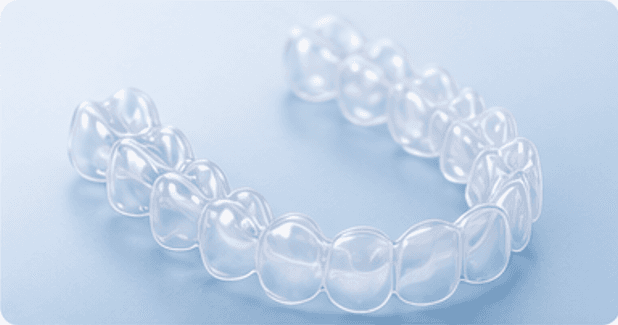
Download Guide ↓Clear aligners only work while they are in your mouth. Most treatment plans ask for many hours of daily wear, moving through a series of trays on a schedule your orthodontist sets. This guide explains common wear-time goals, how to handle a new tray, and when soreness is expected versus when you should call the clinic. It supports—not replaces—your personal plan. If your dentist gave different numbers or dates, follow those. For background on how aligners fit into treatment, see Clear Aligners (Invisalign) and Orthodontics. Teeth that started crowded or rotated, as described under Misaligned Teeth or Difficulty Chewing / Poor Bite, need steady force over time; gaps in wear let teeth drift back toward their old positions.
This guide often relates to Misaligned Teeth, Difficulty Chewing / Poor Bite, Clear Aligners (Invisalign) and Orthodontics.
Daily wear time: what most plans expect
Many clinicians aim for roughly twenty to twenty-two hours of wear per day. That leaves short windows for meals, brushing, and occasional sports or photos—not long stretches with trays left in a case. Think of the two to four hours out as a budget you spend deliberately rather than something you accumulate without noticing.
Sleep counts toward wear time, which helps most people hit their target. Trouble starts when trays stay out during snacks, long meetings, or evening TV without being replaced. A phone reminder at mealtimes can help until the habit feels automatic.
Your plan may specify a different hour target, especially early in treatment or when attachments and rubber bands are added. Write your number on the aligner case or a note on the fridge so household members know the rule too.
Children and teens need adult help tracking wear. School lunches and after-school activities are common times trays get forgotten. A quick rinse and reinsert before class resumes protects the day’s total.
Changing to your next aligner
Trays are usually worn for one to two weeks each, but the exact interval is on your prescription—not on a generic calendar. Some patients change weekly; others need longer on a tray until teeth seat fully. Switch only when your clinician says to, even if the current tray feels loose.
Before you change, check that the current aligner fits snugly over the teeth and attachments. A large air gap at the gum line or a tray that pops off when you speak may mean you are not ready to advance. Call the clinic rather than skipping ahead to “catch up.”
When moving to a new tray, insert it at a time when you can stay home for a few hours if possible. Fresh trays often feel tight for the first day or two. Keep the previous tray in a labeled bag unless your team told you to discard it—you may need it if the new one is lost or damaged; see What to Do If You Lose or Damage Your Aligner or Retainer.
If you use chewies or aligner seaters, follow the technique you were shown. Biting gently along the arch helps the plastic engage attachments. Do not bite hard enough to crack a tray or irritate the jaw joint.
Inserting and removing trays safely
Wash hands before handling aligners. Start removal from the back molars on one side, using fingertips on the edge of the tray rather than tugging the front teeth. For tight trays, work both sides alternately until the aligner lifts off evenly.
To insert, seat the tray over the front teeth first, then push toward the back with equal pressure on both sides. You should feel a click into place around attachments. If one corner will not seat, remove and try again instead of forcing it, which can crack the plastic or cut the gum.
Nail length matters: long nails can slip and scrape the gum. Some patients use a removal hook supplied by the clinic; ask before buying third-party tools so you do not damage trays.
Never store a partially seated tray “for later.” Half-on aligners can irritate tissue and do not move teeth predictably. Either seat fully or take out and store in the case.
Pressure, soreness, and speech changes
Mild pressure for a day or two after a tray change is normal. It means the plastic is engaging the teeth. Sharp pain, pain that wakes you at night, or pain focused on one tooth is not something to push through—contact your clinic.
Chewing may feel different on a new tray. Soft foods for the first meal are fine. Avoid testing the tray with hard foods while it is in; aligners are not meant to bear chewing forces.
Lisping or extra saliva for the first few days is common. Reading aloud at home speeds adaptation. If speech is still difficult after a week on the same tray, mention it at your next visit; edge polishing or fit checks may help.
Over-the-counter pain relief is sometimes used when changing trays, but only if your dentist or doctor said it is appropriate for you. Do not exceed what you were told, and do not use someone else’s prescription.
Attachments, elastics, and refinements
Tooth-colored attachments give aligners grip for certain movements. Trays may feel tighter around them. If an attachment feels rough, ask about smoothing at a visit—do not file it yourself.
If you wear elastics with aligners, wear them exactly as directed. Skipping elastics while keeping trays in still slows treatment. Replace elastics as instructed; stretched-out bands do not deliver the right force.
Mid-course refinements—extra scans and new trays—happen when teeth need additional correction. That is a normal part of many Clear Aligners (Invisalign) journeys, not a sign you failed. Wear rules stay the same during refinements.
Compare your progress photos or scan dates with your appointment schedule. Missing reviews can delay refinements or retainer planning.
Travel, work, and social situations
Pack a case, travel toothbrush, and small tube of toothpaste for meals away from home. Rinse trays with water if you cannot brush immediately, but brush before a long wear period when you can.
For short events where trays must come out, keep the case in a pocket or bag—not a napkin on a table. Many aligners are lost in restaurants and school cafeterias.
On flights, wear trays as usual and sip water. Remove for meals, then clean teeth and reinsert. Aligners do not need to be removed for routine security screening, but bring the case if you eat in the airport.
If you play contact sports, ask whether you should remove aligners and use a mouthguard instead. Trays do not replace protective gear.
When wear slips: catching up safely
If trays were out too long and feel tight, reinsert and wear extra hours over the next few days only if your clinician has allowed that approach in the past. Do not jump to a newer tray to compensate without approval—you can move teeth in unsafe ways.
If you missed several days entirely, call the clinic. You may need to re-wear the previous stage, extend the current one, or schedule a fit check. Self-adjusting the sequence risks Difficulty Chewing / Poor Bite or tracking errors that show up late in treatment.
Track wear with an app or simple diary if motivation dips. Pairing tray time with a fixed routine—insert after breakfast, after brushing at night—reduces “I forgot” gaps.
Retainer phase follows active aligner wear; habits you build now carry into Retainer Care: How to Clean, Store and Wear Your Retainer later.
Cleaning and care tie-in
Worn-out, cloudy, or cracked trays do not track well. Rinse after removal, brush gently with a soft brush, and avoid hot water that warps plastic. Full cleaning routines are in How to Clean and Care for Invisalign Aligners.
Brush and floss your teeth before each reinsert. Trapping food under aligners raises decay risk, especially when wear hours are high.
Keep pets away from aligners; chewed trays need replacement. Store only in a ventilated case.
Questions about eating with trays out and drinking rules are covered in What to Eat and Avoid During Invisalign Treatment when that applies to your day.
Frequently Asked Questions
- Do these instructions replace my dentist's advice?
- No. Wear hours, change dates, and elastics are set for your mouth. Follow written and verbal instructions from your treating clinician whenever they differ from this guide.
- What if I cannot reach 22 hours every day?
- Occasional short days happen. Tell your team at the next visit rather than hiding it. They may extend a tray, adjust expectations, or suggest reminders. Repeated low wear affects results.
- Can I switch to the next tray early if this one feels loose?
- Not without approval. A loose feel can mean teeth have moved—or that you are not wearing enough hours. Your clinician checks fit before you advance.
- Is it normal for one tooth to hurt more than the others?
- Focused pressure on a tooth that is moving can be normal for a day or two. Pain that sharpens, swells, or lasts beyond a few days needs a call. Do not assume it will pass without mentioning it.
- Should I wear aligners while sleeping?
- Yes, unless your plan says otherwise. Night hours help most people meet daily wear targets. Remove only if you were instructed to—for example, some acute jaw symptoms need evaluation first.
- Where can I read more about aligners versus braces?
- Braces vs Clear Aligners: Understanding Your Options compares approaches in plain language. Your clinician still decides which option fits your bite and lifestyle.
- What if my tray cracks but still fits?
- Contact the clinic the same day. A crack can widen and change how forces apply. Do not superglue trays. See What to Do If You Lose or Damage Your Aligner or Retainer for interim steps if you were given them.
Important reminder
These instructions are general educational guidance. Your dentist may give instructions that differ depending on the procedure, your medical history, and how treatment was performed. Follow the written or verbal instructions provided specifically for you. This guide does not replace professional dental or medical advice, diagnosis, or emergency care.
Save or print a branded PDF copy of this guide.