After Treatment
Download Guide ↓A tooth extraction leaves an open socket that must heal with a stable blood clot. What you do in the first hours and days strongly affects comfort and recovery. This guide explains typical aftercare for simple and surgical extractions, including wisdom teeth. It does not replace the written or verbal instructions from your dentist. If your clinician told you something different—for example about rinsing, smoking, or when to remove gauze—follow that plan and call the clinic if anything is unclear. For background on why extractions are done, see Oral Surgery and Wisdom Tooth Problems.
This guide often relates to Wisdom Tooth Problems, Damaged or Broken Teeth, Tooth Pain, Oral Surgery and General Dentistry.
Why protecting the clot matters
After a tooth is removed, the body forms a clot in the socket. That clot covers bone and nerve endings and is the foundation for gum healing. Dislodging it—often called dry socket—can cause sharp pain that may not respond well to ordinary pain relief alone and usually needs a dental visit.
Your treating team may have placed sutures, a dressing, or given specific gauze instructions. Those details matter more than generic advice. Keep any discharge sheet handy and note the clinic number for after-hours questions.
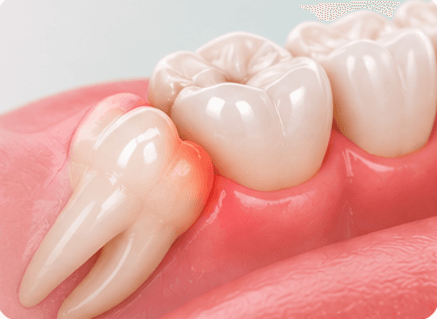
Extractions range from a single loosened tooth to impacted wisdom teeth with bone removal. Healing time and swelling differ. Wisdom tooth sites and lower back teeth often swell more; your dentist can tell you what pattern fits your case.
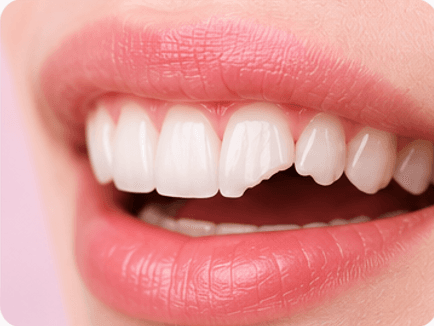
If extraction was part of broader care for Damaged or Broken Teeth or pain from Tooth Pain, finishing follow-up plans—such as replacing the tooth or treating neighbouring teeth—still matters once the socket is stable.
The first 24 hours
Bite on gauze as directed to help bleeding settle. Change pads when they are soaked; steady pressure usually slows oozing within a few hours. Pink saliva or minor streaking on the pillow is common. Bright red bleeding that does not slow after repeated gauze and pressure is a reason to call the dental clinic promptly.
Rest with your head elevated. Avoid bending, heavy lifting, and strenuous exercise on day one unless your dentist clears you sooner. Increased heart rate can restart bleeding.
Use cold compresses on the cheek in short intervals if you were advised to—often ten to fifteen minutes on, then a break—to limit swelling. Do not apply ice directly inside the mouth on the wound unless specifically instructed.
Take pain relief and any prescribed medicines exactly as your dentist or physician directed for you. Do not use someone else's prescription or old tablets from a different procedure. If you take blood thinners or have diabetes, you should already have received tailored advice; if not, call before changing your routine.
- Keep the gauze in place for the time you were given before checking the site
- Do not rinse vigorously, spit forcefully, or drink through a straw unless told otherwise
- Avoid smoking and tobacco in all forms during early healing unless your clinician gave a rare exception
Bleeding, rinsing, and mouth hygiene
After the initial period, many dentists allow gentle salt-water rinses starting the next day. Others ask you to wait longer after surgical extractions. Follow your timing, not a friend's or an online chart.
Brush your teeth gently, including teeth near the socket, while avoiding direct scrubbing of the extraction site if you were told to stay off it. A clean mouth lowers infection risk. Do not skip brushing for days out of fear; ask how to adapt technique instead.
If you were given an antimicrobial rinse or syringe for a deep socket, use it as demonstrated in clinic. Missing doses or using it too aggressively can both cause problems.
For ongoing soreness patterns, Managing Dental Pain and Swelling After Treatment covers comfort measures that apply to many procedures, but clot protection rules for extractions still come first.
Swelling, bruising, and discomfort
Swelling often peaks around the second or third day after a surgical extraction, then gradually fades. Firm cheek swelling that keeps growing after that window, especially with fever, needs a dental call the same day.
Jaw stiffness and limited opening can occur, particularly with lower wisdom teeth. Gentle movement as tolerated is usually fine; forcing the mouth wide open is not. Mention worsening trismus at follow-up.
Numbness from local anaesthetic wears off within several hours. Numbness of lip, chin, or tongue that persists the next day—or was not present immediately after treatment—should be reported. That can reflect nerve proximity during lower wisdom tooth removal and needs assessment, not home guessing.
Mild to moderate pain that improves with prescribed or over-the-counter options suggested by your dentist is common. Pain that becomes severe, throbbing, or wakes you from sleep after initially improving may suggest clot loss or infection; contact the clinic rather than only adding more tablets on your own.
Food, drink, and daily activity
Eat soft foods on the side away from the socket if chewing is awkward. Lukewarm or cool choices are easier than very hot soup or spicy dishes that irritate tissue. Gradually return to normal texture as comfort allows.
Stay hydrated with water. Avoid alcohol while taking pain medicines or antibiotics and while healing tissues are fragile, unless your doctor or dentist said otherwise.
Do not use a straw during early healing if you were warned about suction dislodging the clot. The same caution applies to vigorous spitting after rinsing.
Return to work or school when you feel able and any sedative effects have worn off. Physical jobs or sports may need extra days off; confirm with your surgeon for contact sports or heavy labour.
What is usually normal versus concerning
Normal: gradual reduction of pain, swelling that tops out then softens, slight odour from gauze change, difficulty opening wide for a few days, and small sharp bone edges that sometimes work their way out weeks later—still worth mentioning at review if bothersome.
Call the dental clinic: bleeding that will not be controlled with pressure, swelling that worsens after day three, pus or foul taste with increasing pain, fever, uncontrolled vomiting, or sutures that come loose with heavy bleeding.
Seek emergency medical care (hospital emergency or urgent medical service) if you have trouble breathing or swallowing, rapidly spreading facial swelling under the eye or down the neck, chest pain, severe allergic reaction to medicines, or heavy bleeding that does not slow and you cannot reach the dentist. Then inform the dental clinic when you can.
Understanding Tooth Pain: Common Causes and When to See a Dentist can help you describe symptoms accurately, but extraction-specific warning signs above take priority.
Follow-up, stitches, and longer healing
Attend review appointments even if you feel fine. Your dentist checks socket healing, removes sutures if needed, and plans next steps such as bone grafting or tooth replacement.
Dissolving stitches may fray or feel odd; do not pull them. Non-dissolving stitches are removed on schedule—missing that visit can leave threads embedded uncomfortably.
The socket fills with soft tissue over weeks; the bony ridge remodels over months. A slight depression is normal until a bridge, implant, or denture is planned if you are replacing the tooth.
If pain returns weeks later without trauma, schedule an exam. Rare retained root fragments or infection can occur and are treatable once identified.
Questions worth asking your dentist
When may I start rinsing, and with what? Should I use a syringe or special brush near the site?
Which pain relievers are safe with my medical history and current medicines?
How long should I expect numbness, swelling, and limited opening for my specific tooth?
When can I smoke or use tobacco again if I cannot quit entirely—and what extra risks apply?
Do I need antibiotics, and must I finish the full course even if I feel better?
When should I resume exercise, flying, or dental treatment on neighbouring teeth?
Should I read Dental Emergencies: What to Do Before You Reach the Dentist for after-hours scenarios, and what number reaches your team outside clinic hours?
Frequently Asked Questions
- Do these instructions replace my dentist's advice?
- No. Your personal discharge instructions always come first. This guide summarises common extraction care. If you were told to delay rinsing, avoid certain medicines, or return sooner for review, follow that plan.
- When is bleeding an emergency versus a clinic call?
- Oozing that slows with gauze and pressure is usually managed with your dentist's after-hours line. Soak-through bleeding that does not improve, or bleeding with light-headedness, needs urgent care. If you cannot reach the clinic and bleeding is heavy, go to emergency medical services while continuing pressure on the socket.
- How do I know if I have dry socket?
- Typical signs are worsening pain a few days after extraction, often throbbing and radiating to the ear, with a foul taste or odour. The socket may look empty of clot. Home remedies alone are rarely enough—contact the dental clinic for assessment and dressing if needed.
- Can I brush near the extraction site?
- Usually yes, with a soft brush and gentle strokes on neighbouring teeth. Avoid disturbing the clot directly if you were advised to. If brushing causes heavy bleeding, use the method shown in clinic and call for guidance rather than stopping all hygiene.
- Where can I read more about extractions on this site?
- See Oral Surgery for treatment context, Wisdom Tooth Problems for third-molar issues, and Managing Dental Pain and Swelling After Treatment for comfort strategies that fit your clinician's clot-protection rules.
Important reminder
These instructions are general educational guidance. Your dentist may give instructions that differ depending on the procedure, your medical history, and how treatment was performed. Follow the written or verbal instructions provided specifically for you. This guide does not replace professional dental or medical advice, diagnosis, or emergency care.
Save or print a branded PDF copy of this guide.