Invisalign & Retainers
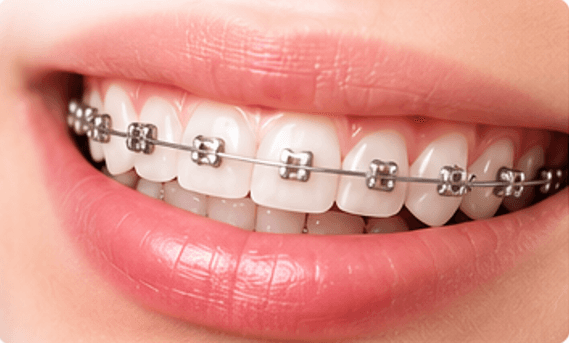
Download Guide ↓When active Orthodontics or Clear Aligners (Invisalign) finish, teeth still tend to drift toward their old alignment. Retainers counter that slow pressure. Some are removable clear trays; others are thin wires bonded behind the front teeth. This guide explains typical wear patterns, cleaning steps, storage, and when a retainer feels too tight or too loose. Your retention plan may differ—follow the schedule you were given. For context on why alignment matters long term, see Misaligned Teeth and Difficulty Chewing / Poor Bite. If a retainer breaks or disappears, start with What to Do If You Lose or Damage Your Aligner or Retainer and call the clinic the same day.
This guide often relates to Misaligned Teeth, Difficulty Chewing / Poor Bite, Orthodontics and Clear Aligners (Invisalign).
Why retention is not optional
Bone and gum tissue need time to stabilise around teeth in new positions. Retainers maintain the result while that happens. Stopping wear too early is a common reason teeth crowd again years later.
Retention is often longest for lower front teeth, which shift easily. Your plan may specify full-time wear at first, then nights only— or lifelong night wear. Write your phases down.
Fixed retainers require different cleaning but do not depend on remembering to insert a tray. Removable retainers depend on you. Both need professional checks at hygiene visits.
Habits from Invisalign Wear Instructions—case use, no napkins, brush before insert—carry straight into retention.
Removable retainers: wear schedule
Many patients start with nearly full-time wear for the first months, removing only to eat and clean, then shift to nights only if the clinician approves. Do not shorten that timeline on your own because teeth “look straight.”
Night-only wear means every night, not most nights. Skipping weekends lets teeth move subtly until the retainer feels tight or no longer seats.
If a retainer feels too tight after missing nights, call before forcing it. You may need a short period of extra wear or a fit evaluation.
Replace retainers on the schedule your team advises. Old plastic can warp or become brittle.
Fixed (bonded) retainers
A wire glued behind the upper or lower front teeth is not visible but needs daily flossing. Use floss threaders or interdental brushes as shown at your appointment.
If glue breaks or a wire pokes the tongue, contact the clinic. Do not clip the wire yourself.
Fixed retainers do not replace removable ones if you were told to wear both. Some plans use fixed on one arch and removable on the other.
Hygienists can clean around bonded wires at check-ups; keep those appointments even when active treatment is over.
Cleaning removable retainers
Rinse when removed. Brush gently with a soft brush and lukewarm water. Use non-abrasive paste or retainer cleaner only if recommended—same cautions as aligners in How to Clean and Care for Invisalign Aligners apply.
Soak in an approved solution if supplied; rinse well before insert. Avoid hot water and household bleach.
Brush and floss your teeth before putting retainers in at night. Morning breath is not the only issue—plaque under a retainer irritates gums.
Wash the case weekly and keep it ventilated. A dry, clean case reduces odour.
Storage and travel
Always use a rigid case when retainers are out. Pockets and purses crush plastic; napkins get thrown away.
For travel, pack the case in carry-on luggage so retainers are not left behind at hotels.
Heat warps retainers. Do not leave them in a parked car or near a stove.
Label cases in shared bathrooms. Retainers look alike across family members.
Pets, children, and replacements
Dogs often chew retainers left on nightstands. Store out of reach.
Children and teens need reminders for night wear. A bedtime alarm helps until the habit sticks, and a parent check a few nights per week catches skipped wear early.
If a retainer is lost or cracked, see What to Do If You Lose or Damage Your Aligner or Retainer. Wearing an old backup retainer may be better than nothing only if your clinician said so.
Replacement retainers may need new scans or impressions. Delays mean more drift.
Fit changes and discomfort
Mild pressure when returning to night wear after one missed night can happen. Persistent pain, sores, or a retainer that will not fully seat needs a call.
Teeth may shift slightly if wear lapsed for weeks. Do not assume a tight retainer will “move them back” without guidance—you can damage teeth or the appliance.
Wisdom teeth eruption, gum recession, or new dental work can change fit. Mention upcoming extractions or crowns so the team can plan.
Braces vs Clear Aligners: Understanding Your Options is about active treatment, but retention rules apply no matter which path you took.
Long-term maintenance
Some people wear retainers at night indefinitely. That is a small habit compared to repeating orthodontic treatment.
Bring retainers to dental cleanings so fit and cleanliness can be checked. Staff can note if a wire retainer needs rebonding or if a clear retainer looks worn.
Do not boil or autoclave retainers at home. Do not share them.
If whitening or major restorative work is planned, ask how it interacts with your retainer schedule.
Keep your clinician’s phone number saved under a clear contact name. Retainer emergencies are easier when you are not searching old emails for the number.
Frequently Asked Questions
- Do these instructions replace my dentist's advice?
- No. Your retention phase length and wear hours are personal. Follow the plan from your treating orthodontist or dentist.
- How long will I need to wear my retainer?
- Plans vary from many months of full-time wear to long-term nights only, sometimes indefinitely. Ask for your timeline in writing at debond or aligner completion.
- Can I wear my retainer only on weekends?
- Not unless that is your prescribed plan. Teeth move faster than most people expect. Weekend-only wear usually allows slow relapse.
- My fixed retainer wire feels loose—what should I do?
- Call the clinic. A detached bond lets teeth move behind the wire. Avoid pulling on the wire and keep the area clean until you are seen.
- Can I clean my retainer with mouthwash?
- Short rinses may be fine; long soaks in alcohol-based mouthwash can dry or damage some plastics. Use products your team recommended.
- What if my retainer smells bad?
- Improve brushing of teeth and retainer, clean the case, and check for cracks where bacteria hide. Persistent odour warrants a fit and material check.
- I finished aligners—are retainers the same as the last tray?
- Sometimes the last aligner acts as a temporary retainer; often a new retainer is made. Do not assume without confirmation from your clinic.
- Where do I turn if my retainer is lost?
- What to Do If You Lose or Damage Your Aligner or Retainer outlines immediate steps. Contact the clinic the same day to limit tooth movement while a replacement is arranged.
Important reminder
These instructions are general educational guidance. Your dentist may give instructions that differ depending on the procedure, your medical history, and how treatment was performed. Follow the written or verbal instructions provided specifically for you. This guide does not replace professional dental or medical advice, diagnosis, or emergency care.
Save or print a branded PDF copy of this guide.