After Treatment
Download Guide ↓Pain and swelling after dental treatment are common when tissue was numbed, cut, drilled, or infected beforehand. The right response depends on which procedure you had—a filling, root canal, extraction, or implant—and on your medical history. This guide explains general comfort measures and how to tell gradual recovery from problems that need the dental clinic or emergency medical care. It does not tell you which drug or dose to take; use only medicines your dentist or doctor recommended for this episode. Procedure-specific rules still apply: for example, clot protection after extractions overrides aggressive rinsing even if rinsing might soothe other sore areas. See General Dentistry, Oral Surgery, and Root Canal Treatment for treatment types, and Tooth Pain for symptom context. Linked guides include After Tooth Extraction: Care Instructions and Warning Signs, After Root Canal Treatment: What to Expect and How to Care for Your Tooth, and Dental Emergencies: What to Do Before You Reach the Dentist.
This guide often relates to Tooth Pain, General Dentistry, Oral Surgery and Root Canal Treatment.
Why pain and swelling happen
Treatment irritates bone, gum, or the ligament around teeth. Inflammation is part of healing and can cause ache, throbbing, or pressure sensitivity when biting.
Swelling is fluid and immune cells moving into the area. It often peaks one to three days after oral surgery, then slowly resolves. Fillings may cause little swelling unless gum tissue was injured.
Pre-existing infection increases post-treatment discomfort until it clears. Antibiotics or further drainage may be part of your plan—follow instructions rather than judging success by pain alone on day one.
Understanding Tooth Pain: Common Causes and When to See a Dentist describes types of dental pain; matching your pattern to the right follow-up question helps the clinic help you.
Medicines and what not to do
Take prescribed pain relief or antibiotics exactly as directed for you. If a medicine was not offered, ask the clinic before using leftover tablets from another family member or an old prescription—that can be unsafe or ineffective.
Tell your dentist about kidney, liver, stomach, pregnancy, or allergy history before combining products. They will choose compatible options.
Avoid placing aspirin directly on the gum; it can burn tissue and does not replace proper analgesia.
Do not exceed the schedule on any label or prescription. If pain remains uncontrolled at the permitted dose, call for advice rather than improvising.
Non-drug comfort measures
Elevate your head when resting after surgery to limit swelling. Short periods of cold compress on the cheek—not inside the mouth unless directed—may help the first day or two for surgical cases.
After the initial window, some clinicians suggest warm compresses for stiff jaw muscles; confirm for your case.
Soft foods reduce chewing force on sore teeth. Lukewarm meals avoid extreme temperature triggers on sensitive teeth.
Gentle oral hygiene prevents extra gum inflammation from plaque. Skipping brushing often makes pain worse after a few days.
Matching care to your procedure
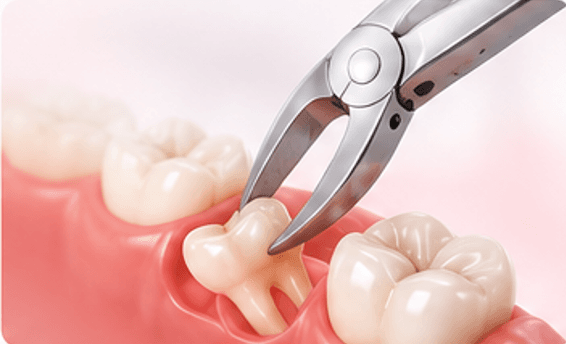
After extractions, follow clot-protection rules in After Tooth Extraction: Care Instructions and Warning Signs even while managing pain. Strong rinsing or heat in the mouth can worsen dry socket pain.
After root canal therapy, tenderness when biting is common until inflammation fades; see After Root Canal Treatment: What to Expect and How to Care for Your Tooth for bite and temporary crown issues.
After implants or major Oral Surgery, swelling may be more visible; report spreading redness promptly.
After fillings or crowns, sharp bite pain often means a high spot needing adjustment—see After Dental Filling or Crown: What to Expect rather than only increasing pain medicines.
Tracking symptoms day by day
Keep a simple log: pain level, swelling size, temperature if feverish, and which medicines you took with effect. Photos of swelling in good light help remote triage if the clinic offers it.
Improvement day over day is reassuring. Plateau with mild ache may be normal for your procedure. Worsening after initial improvement is a red flag.
Note triggers—hot, cold, biting, lying down—that sharpen pain; share them at follow-up.
Children and older adults may express pain differently; caregivers should watch eating, sleep, and swelling.
Swelling that needs attention
Mild cheek puffiness after wisdom teeth or implants often peaks then subsides. Hard, hot swelling that spreads toward the eye, floor of mouth, or neck needs urgent assessment.
Fever with dental swelling suggests infection requiring professional care, not only home remedies.
Difficulty opening the mouth may follow injections or surgery; if it worsens instead of easing, call the clinic.
Sudden eye swelling on the same side as a upper tooth infection is a serious pattern—seek emergency care if the clinic cannot see you immediately.
When to call the dental clinic
Same-day call: pain uncontrolled with approved medicines, swelling increasing after day three, fever, foul drainage, rash from medicines, or pain clearly linked to a high bite or lost temporary.
Next available visit: sensitivity slowly improving but past the timeline your dentist gave, or jaw stiffness that persists without worsening red flags.
Keep the after-hours number saved. Many practices advise on whether to meet them urgently or go to hospital.
Do not delay calling because you hope tomorrow will be better if tonight includes fever or spreading swelling.
When to use emergency medical services
Go to hospital emergency or equivalent if you have trouble breathing or swallowing, chest pain, confusion with high fever, severe allergic reaction, or rapidly spreading facial swelling especially under the tongue or toward the eye.
Uncontrolled bleeding from mouth or extraction site while unable to reach the dentist may require emergency help while maintaining pressure on gauze.
After stabilisation, inform your dental team so they can continue care.
Dental Emergencies: What to Do Before You Reach the Dentist covers trauma and acute scenarios that overlap with pain and swelling decisions.
Frequently Asked Questions
- Is it normal to hurt several days after treatment?
- Many procedures cause soreness for several days, especially surgical ones. The important question is whether pain is improving overall. Persistent worsening pain, fever, or spreading swelling is not typical and should be reported.
- Can I use heat on my face?
- Cold is often used early after surgery externally. Heat may help muscle stiffness later for some patients. Do not apply heat to the inside of the mouth after extractions unless your dentist said so, because it can increase bleeding or clot problems.
- Should I stop brushing if it hurts?
- Usually no—brush gently with a soft brush and avoid traumatising surgical sites as instructed. Plaque buildup inflames gums and can increase pain. Ask the clinic for technique if brushing causes heavy bleeding.
- Pain medicine is not working—what next?
- Contact the clinic the same day. You may need a bite adjustment, treatment for infection, or a change in medicine that is safe for you. Do not borrow stronger drugs from others.
- Which guides apply to my procedure?
- Use After Tooth Extraction: Care Instructions and Warning Signs, After Root Canal Treatment: What to Expect and How to Care for Your Tooth, or After Dental Filling or Crown: What to Expect together with this page for rules specific to your treatment, plus Dental Emergencies: What to Do Before You Reach the Dentist for acute escalation.
Important reminder
These instructions are general educational guidance. Your dentist may give instructions that differ depending on the procedure, your medical history, and how treatment was performed. Follow the written or verbal instructions provided specifically for you. This guide does not replace professional dental or medical advice, diagnosis, or emergency care.
Save or print a branded PDF copy of this guide.