Family & Emergency
Download Guide ↓Toothache in a child can range from brief sensitivity during teething to sharp pain from Cavities / Tooth Decay or infection. Parents need to distinguish comfort measures at home from symptoms that require same-day dental care or hospital assessment. This guide does not diagnose the cause; it helps you observe, support, and escalate appropriately. Routine prevention is covered in Children's Daily Dental Care Guide for Parents; first-time visit timing in When Does a Child Need Their First Dental Visit?. Broader emergency steps appear in Dental Emergencies: What to Do Before You Reach the Dentist. Clinical care falls under Pediatric Dentistry and General Dentistry. For how adults experience similar symptoms, see Tooth Pain and Understanding Tooth Pain: Common Causes and When to See a Dentist.
This guide often relates to Tooth Pain, Cavities / Tooth Decay, Pediatric Dentistry and General Dentistry.
How children show dental pain
Young children may point to the cheek, refuse food, cry when chewing, or suddenly wake at night. Older children can often localize a tooth but may still confuse sinus pressure with upper tooth pain.
Irritability alone is not specific. Look for patterns: pain with cold or sweet foods, pain when biting, visible swelling, or a bad taste.
Fever with mouth pain suggests infection or systemic illness—not simple teething. Measure temperature if your child feels hot and note other symptoms such as ear pain or rash.
Ask when pain started and whether trauma occurred at school or play. A forgotten fall can explain a cracked tooth days later.
Common causes parents encounter
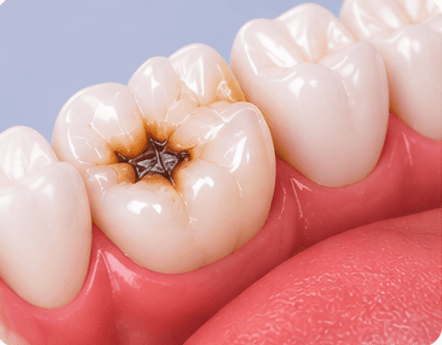
Tooth decay is the most frequent avoidable cause. Early Cavities / Tooth Decay may cause mild sensitivity; deep decay causes throbbing pain and can abscess.
Teething in infants causes gum rubbing and drooling, usually without high fever or severe localized pain in one specific tooth for days. Prolonged intense pain in one spot deserves examination.
Food stuck between teeth can cause sudden gum pain. Gentle flossing by an adult may relieve it if the child cooperates.
Cracked or chipped teeth from falls need dental review even if pain fades—see Dental Emergencies: What to Do Before You Reach the Dentist for trauma.
Orthodontic appliances can rub cheeks; that differs from spontaneous deep ache. Orthodontic wax helps rubs; unexplained swelling does not.
Sinus congestion can mimic upper back tooth pain in older children. If pain tracks with a cold and both sides feel pressured, mention it to the dentist and paediatrician.
Dental problem versus medical emergency
Schedule urgent dental care for severe tooth pain, swelling on the gum or face, a pimple on the gum, pain that wakes the child repeatedly, or pain after injury to teeth.
Seek emergency medical care if the child has difficulty breathing or swallowing, swelling under the tongue or floor of mouth, cannot open the mouth fully because of swelling, looks very unwell with high fever, or has signs of dehydration from refusing all fluids.
Cellulitis spreading from a dental abscess is a medical as well as dental problem. Do not wait for a routine appointment if the face is visibly swelling outward or upward toward the eye.
When unsure, call your dental clinic for triage and be ready to go to hospital if they advise.
What you can do at home while arranging care
Rinse gently with warm water if the child can spit. Remove visible food debris with floss—avoid sharp picks.
A cold compress on the cheek outside the mouth may ease swelling for fifteen minutes on, fifteen off. Do not apply ice directly inside the mouth.
Offer soft foods and encourage fluids. Avoid very hot, cold, or sugary foods that trigger pain.
For pain relief, use only medicines appropriate for your child’s age and health. Ask your pharmacist or dentist what is suitable and how to dose based on weight and other medicines—do not copy adult labels or sibling doses from memory.
Keep the head elevated slightly during sleep if lying flat worsens throbbing pain.
Continue gentle brushing if tolerated; skipping days can worsen gum inflammation. Use a soft brush around sore areas.
- Do not place aspirin on the gum
- Do not heat the face or use unprescribed antibiotics
- Call the same day if pain is severe or swelling is present
What to avoid
Do not ignore night pain that returns several nights in a row—it often signals decay or infection needing treatment.
Do not assume all gum pain is teething and treat with teething gels alone without dental review if the child is older than expected teething age.
Do not delay because the tooth will “fall out anyway.” Infection from a baby tooth can damage the permanent successor.
Do not use leftover antibiotics from another family member.
Do not poke swollen gums with needles or sharp tools at home.
What may be normal for a short time
Mild sensitivity for a day after a new filling or cleaning can occur. Contact the clinic if bite feels high or pain worsens.
Brief gum tenderness when a permanent molar erupts is common. Persistent swelling or bad breath is not.
Sensitivity after whitening or orthodontic adjustment should follow instructions from the treating clinician.
If pain steadily improves over forty-eight hours after a minor bump, still mention the bump at the next visit; X-rays may be wise.
At the dental visit: what to expect
The team will ask about pain timing, triggers, fever, and trauma. Be specific—examples help more than “it hurts sometimes.”
Examination may include X-rays to see between teeth and under the gums. Cooperation aids speed; comfort positions exist for anxious children.
Treatment ranges from fluoride and sealants to fillings, pulp treatment, or extraction in severe cases. The dentist should explain options in plain language.
If infection is present, drainage or antibiotics may be discussed. Follow instructions fully and attend review appointments.
After treatment, return to habits in Children's Daily Dental Care Guide for Parents to reduce recurrence.
Aftercare and prevention
Supervised brushing and limited frequent sugar remain the foundation after any painful episode.
Sealants on permanent molars reduce pit decay when the child is old enough.
Mouthguards for sport protect against trauma pain later.
Regular Pediatric Dentistry visits catch small lesions before they become emergencies.
If your family has not established care, When Does a Child Need Their First Dental Visit? explains how to start.
Questions to ask the dentist or on the phone
Ask whether the child needs to be seen today or can wait until tomorrow.
Ask which pain-relief options are safe for your child’s age and medical history.
Ask what signs mean you should go to hospital instead of waiting.
Ask whether the aching tooth is a baby or permanent tooth and what that means for treatment.
Ask how to manage eating and school until the appointment if pain is moderate.
Frequently Asked Questions
- Can teething cause a high fever?
- Teething may cause mild fussiness and drooling. High fever, marked facial swelling, or severe pain in one tooth is not typical teething alone—seek professional assessment.
- Should I give antibiotics from our medicine cabinet?
- Only give antibiotics prescribed for this illness. The wrong drug can hide a spreading infection and delay proper dental treatment.
- My child’s face is slightly puffy. Is that urgent?
- Facial swelling with tooth pain needs same-day dental contact. Rapid swelling, eye involvement, or illness with fever may require emergency medical care.
- Where can I read more on this site?
- See Children's Daily Dental Care Guide for Parents, Dental Emergencies: What to Do Before You Reach the Dentist, Cavities / Tooth Decay, Tooth Pain, and Understanding Tooth Pain: Common Causes and When to See a Dentist.
Important reminder
These instructions are general educational guidance. Your dentist may give instructions that differ depending on the procedure, your medical history, and how treatment was performed. Follow the written or verbal instructions provided specifically for you. This guide does not replace professional dental or medical advice, diagnosis, or emergency care.
Save or print a branded PDF copy of this guide.