Family & Emergency
Download Guide ↓Many parents wait until a child complains of pain or until all permanent teeth arrive. Dental professionals generally recommend an earlier first visit—often by the first birthday or within six months of the first tooth erupting. That appointment is about prevention, guidance, and building trust, not only about treating Cavities / Tooth Decay. This guide explains timing, preparation, and what differs from an adult check-up. Ongoing care fits under Pediatric Dentistry and General Dentistry. For daily habits after the visit, see Children's Daily Dental Care Guide for Parents. If pain appears before you have established care, Toothache in Children: What Parents Should Know and Dental Emergencies: What to Do Before You Reach the Dentist may apply. Background reading includes When Should a Child First Visit the Dentist? and How Often Should You Really Brush and Floss?.
This guide often relates to Cavities / Tooth Decay, Pediatric Dentistry and General Dentistry.
Recommended timing for the first visit
The first dental visit is usually recommended when the first baby tooth appears or by age one, whichever comes first. Even a single erupted tooth can develop decay if feeding or cleaning habits allow frequent sugar contact.
If your child is older and has never seen a dentist, book as soon as you can. There is no upper age limit for a “first” visit—the goal is to start regular care now.
Some children need earlier review: prematurity, enamel defects, cleft care, prolonged bottle use at night, or medical conditions that affect the mouth. Mention these when you call to schedule.
The first visit is rarely an emergency unless there is swelling, trauma, or uncontrolled pain. Those situations need urgent care described in Toothache in Children: What Parents Should Know, not a routine new-patient slot.
Why early visits matter
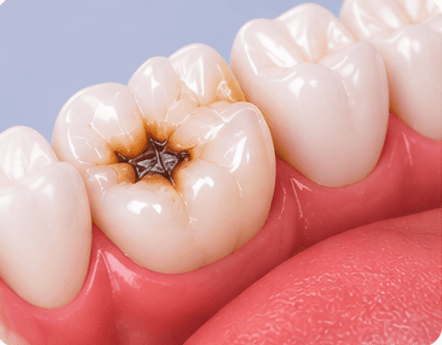
Baby teeth hold space for permanent teeth and affect chewing and speech. Pain from Cavities / Tooth Decay in young children can interfere with eating and sleep and may require treatment under sedation if decay advances silently.
Parents learn practical advice tailored to the child: fluoride use, bottle and sippy cup habits, thumb sucking, and when to start flossing. Generic online tips may not fit your water supply or family diet.
Early exposure to the dental chair in a calm visit reduces fear later. Many first visits are short examinations with the child on a parent’s lap.
The dental team can spot early enamel changes, lip ties if they affect feeding, or habits that will cause wear over time.
How to prepare your child
Use simple, neutral language. Say the dentist will count and polish teeth, not that it will hurt. Avoid sharing your own negative stories in earshot.
Read picture books about dental visits or role-play with a stuffed toy. Let a toddler hold a mirror and practice opening wide at home.
Schedule when the child is usually rested—not immediately before nap time or late evening. Morning appointments often work well for preschoolers.
Bring a comfort item if the clinic allows it. Arrive a few minutes early to complete forms without rushing.
If your child has medical allergies, medicines, or hospital history, bring a written list. Guardian consent requirements vary; both parents need not attend unless your clinic requests it.
What typically happens at the first appointment
The visit often starts with health questions and a discussion of diet, brushing, and fluoride exposure. Be honest about juice, bedtime milk, and who supervises brushing.
The dentist or therapist examines teeth, gums, and oral tissues. For babies, this may happen with the child lying on the parent’s knees—a knee-to-knee position.
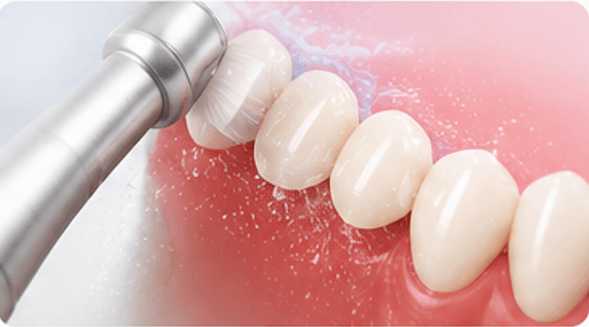
If the child cooperates, a gentle polish or fluoride varnish may be offered based on age and risk. If not, the team may defer and focus on acclimatization.
X-rays are not automatic at age one. They are taken when there is a clinical reason—such as tight contacts where decay is suspected or trauma—not on a fixed schedule for every toddler.
You should leave with a plan: recall interval, home care steps, and whether any treatment is needed soon.
What parents should do at home afterward
Follow the home plan from Children's Daily Dental Care Guide for Parents: supervised brushing twice daily with an age-appropriate amount of fluoride toothpaste unless your clinician advised otherwise for a specific reason.
Limit frequent snacking and sipping of sweet drinks. Water between meals is enough for thirst for most children.
Start flossing when teeth touch side by side—often around preschool age. Your dentist can show handle-style flossers for small hands.
Book the next check-up before you leave the clinic. Six-month intervals are common for low-risk children; higher risk may need shorter gaps.
What to avoid before and after the visit
Do not bribe with promises of avoiding treatment entirely—the message can increase anxiety if treatment is later needed.
Avoid using the dentist as a threat (“They will pull your teeth”) for behaviour issues.
Do not skip the visit because only baby teeth are present. Decay in baby teeth can abscess and affect permanent teeth.
Do not share utensils or clean pacifiers with your mouth; cavity-causing bacteria transfer from caregiver to child.
When the first visit becomes urgent
Book urgently—not “sometime next month”—if you see a brown or white chalky spot that does not brush off, swelling on the gum, bad breath with a pimple on the gum, or trauma from a fall.
Fever with mouth pain, facial swelling, or difficulty opening the mouth may need same-day dental or medical care. Swelling near the eye or neck is a medical priority.
Night waking from tooth pain, refusal to eat, or crying when chewing are not normal teething patterns in an older toddler. See Toothache in Children: What Parents Should Know.
Dental problems are not a substitute for paediatric emergency care when breathing is affected.
Special situations
Children with autism, sensory differences, or anxiety may benefit from a tell-show-do approach and shorter incremental visits. Tell the clinic when booking so extra time is allowed.
If your child takes medicines that dry the mouth or affect gum growth, mention them. Coordination with paediatricians happens when needed.
Adopted or foster children may have unknown dental history—bring any records you have and expect a gentle baseline exam.
Families new to the area should transfer records or list previous dentists so X-rays are not repeated unnecessarily.
Questions to ask at the first visit
Ask how often your child should return and what would trigger an earlier appointment.
Ask whether fluoride varnish or sealants are recommended for your child’s risk level.
Ask how to handle thumb sucking or pacifier use at your child’s age.
Ask what to do if a tooth is knocked out or chipped—see also Dental Emergencies: What to Do Before You Reach the Dentist on this site.
Ask who to call after hours if pain develops.
Frequently Asked Questions
- My child has no teeth yet. Should we still go?
- If no tooth has erupted by twelve months, ask your paediatrician and dentist. Many clinics still welcome a brief visit to discuss oral hygiene, feeding, and when to expect eruption.
- Will my one-year-old need a filling at the first visit?
- Many first visits find no treatment needed—only guidance. If decay is present, the dentist will explain options ranging from monitoring to treatment, depending on severity and cooperation.
- How is this different from a school dental camp?
- A camp may screen many children briefly. A first dental home visit builds continuity, individualized prevention, and a record if emergencies arise later.
- Where can I read more on this website?
- Explore Pediatric Dentistry, Children's Daily Dental Care Guide for Parents, When Should a Child First Visit the Dentist?, and Cavities / Tooth Decay for related information.
Important reminder
These instructions are general educational guidance. Your dentist may give instructions that differ depending on the procedure, your medical history, and how treatment was performed. Follow the written or verbal instructions provided specifically for you. This guide does not replace professional dental or medical advice, diagnosis, or emergency care.
Save or print a branded PDF copy of this guide.