After Treatment
Download Guide ↓Dental implant surgery places a fixture in the jawbone so a crown, bridge, or denture can attach later. Healing is a process of bone bonding to the implant, not just gum closure at the surface. Instructions differ if you had a single tooth, several implants, immediate temporary teeth, or bone grafting. Always follow the plan from your surgeon, including when to wear a provisional tooth and how to clean around stitches. This guide outlines typical recovery themes for patients in Faridabad and elsewhere. For treatment overview, see Dental Implants and Dental Implants: What Patients Should Know Before Treatment. Replacing Missing Teeth is the usual reason implants are placed. Surgical steps overlap with Oral Surgery and sometimes After Tooth Extraction: Care Instructions and Warning Signs when extractions and implant placement are combined.
This guide often relates to Missing Teeth, Dental Implants and Oral Surgery.
What happens in the weeks after surgery
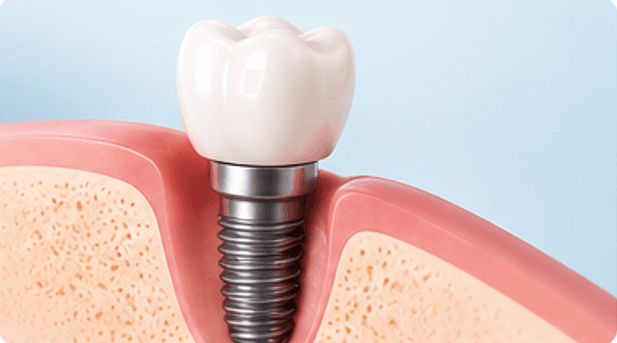
The implant site needs quiet healing. Micro-movement or infection can interfere with integration—the bone attaching to the implant surface. Your team may have placed a healing cap, cover screw, or temporary abutment; do not touch or rotate components unless taught to do so.
Swelling and bruising on the cheek or under the chin are common for several days. Pain is usually manageable with medicines prescribed or approved for you.
If bone graft material or a membrane was used, you may have been warned not to disturb the area with probing or certain rinses. Those restrictions are procedure-specific.
Implant care is longer-term than a simple filling; think in weeks and months, not only the first weekend.
First 24 to 48 hours
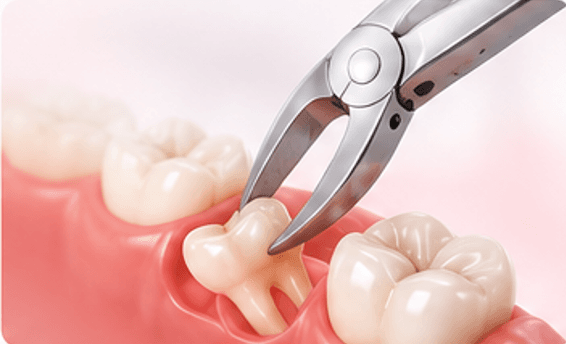
Rest and keep your head elevated the first night. Avoid strenuous activity unless cleared. Bleeding should be light oozing controlled with gauze as directed—similar principles to After Tooth Extraction: Care Instructions and Warning Signs when an extraction socket is present.
Apply cold packs externally on a schedule your surgeon gave, if any. Do not sleep with hard ice pressed against skin.
Take prescribed antibiotics or pain relief only as directed for you. Report nausea, rash, or diarrhoea promptly so the team can adjust the plan.
Do not smoke or use tobacco products during early healing unless your clinician documented an exception; smoking increases implant complication risk.
- Do not chew on the surgical site or a loose temporary if one was placed
- Avoid rinsing or spitting forcefully until your surgeon says it is safe
- Keep follow-up dates even if the area looks healed from the outside
Cleaning the mouth without disturbing healing
Your surgeon may start gentle rinsing after a set number of hours or days—often with warm salt water or a prescribed rinse. Follow that timing exactly.
Brush other teeth normally with a soft brush. The implant site may be cleaned with a cotton swab, extra-soft brush, or irrigator on a low setting only if demonstrated in clinic.
If you wear a removable denture or flipper, you may have received wear instructions—hours on versus off—to protect the graft or implant. Do not alter that schedule without asking.
Long-term success still depends on daily plaque control once the final tooth is in place; General Dentistry hygiene habits start early.
Eating and drinking
Soft, nutritious foods that need minimal chewing reduce stress on the site. Cut food small and chew away from the surgery side when possible.
Very hot liquids, crunchy chips, seeds that lodge in stitches, and sticky toffee are common irritants to avoid early on.
Alcohol can interfere with healing and with some medicines; avoid unless your doctor or surgeon approves.
Hydration supports recovery. If diabetes or other conditions affect diet, align meal choices with your existing medical plan and tell the implant team if blood sugar control shifts.
Pain, swelling, and when to worry
Pain that trends downward over the first week is reassuring. Pain that spikes after improving, throbbing with foul taste, or pus at the site suggests infection—call the dental clinic the same day.
Swelling that spreads below the jaw or toward the eye after the third day needs urgent dental review. Difficulty swallowing or breathing is emergency medical care, not a wait-for-appointment situation.
Numbness should match what you were told to expect based on nerve location. New or worsening numbness after the first day warrants contact.
For general comfort strategies, see Managing Dental Pain and Swelling After Treatment alongside implant-specific restrictions from your surgeon.
Temporary teeth and loading instructions
Some patients leave with a fixed temporary crown; others must leave the site undisturbed with no chewing force. Loading too early can fail integration—your written plan defines which case applies to you.
If a temporary screw loosens or a crown spins, stop chewing there and call the clinic. Save any parts that come off.
Removable temporaries should not rub the stitches raw. Adjustments are done in office, not at home with files.
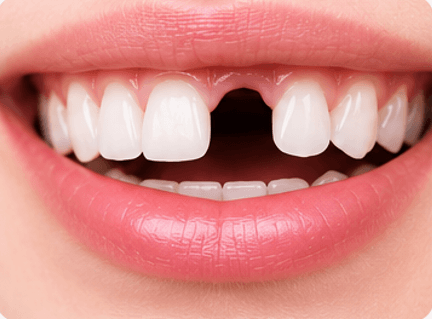
The gap from Missing Teeth may be visible until restoration is complete; that is expected during staged treatment.
Medicines, health conditions, and follow-up
Finish antibiotics if prescribed unless an allergic reaction requires stopping and seeking care. Ask before taking additional supplements or herbal products that might increase bleeding.
Blood thinners, osteoporosis medicines, and some chronic steroids affect healing; you should have received coordinated advice from your dentist and physician. Report unplanned medicine changes before surgery day if possible.
Review visits check integration with exam and sometimes imaging. Missing them hides problems until the final crown stage.
Questions about the full journey from surgery to final tooth are answered in Dental Implants: What Patients Should Know Before Treatment—use it to prepare for those appointments.
Emergency versus dental clinic contact
Call the implant clinic: increasing pain or swelling after initial improvement, fever, bleeding that does not slow, loose healing abutment, suspected infection, or concerns about prescribed medicines.
Go to emergency medical services: airway difficulty, swallowing obstruction, rapid spreading cellulitis, chest pain, or severe allergic reaction.
Heavy uncontrolled bleeding while alone and unable to reach the surgeon may require emergency help while someone applies pressure to the site if safe.
Keep the clinic's after-hours number in your phone before sedation or long travel home from surgery.
Frequently Asked Questions
- How long until I can chew on the implant?
- That depends on whether the implant was left to heal undisturbed or received immediate loading. Your surgeon's written timeline overrides general advice. Chewing too soon on a healing implant can cause failure.
- Is swelling normal a week later?
- Most swelling peaks within the first few days and then fades. Swelling that grows after day three, or is paired with fever and worsening pain, is not typical—contact the clinic.
- Can I brush the implant site?
- Usually you clean gently as instructed—often avoiding direct brushing on stitches early on, then using soft tools around the healing cap later. Use only the method shown to you.
- What if my temporary tooth comes loose?
- Stop using it for chewing and call the clinic. Do not try to tighten screws at home. Protect the area from tongue pressure if sharp edges are exposed.
- Related guides on this site?
- See Dental Implants, After Tooth Extraction: Care Instructions and Warning Signs, and Managing Dental Pain and Swelling After Treatment for overlapping surgical recovery topics your team may reference.
Important reminder
These instructions are general educational guidance. Your dentist may give instructions that differ depending on the procedure, your medical history, and how treatment was performed. Follow the written or verbal instructions provided specifically for you. This guide does not replace professional dental or medical advice, diagnosis, or emergency care.
Save or print a branded PDF copy of this guide.